July 3, 2026
Building a Stronger Propane Driver Pipeline Starts Before You Need One
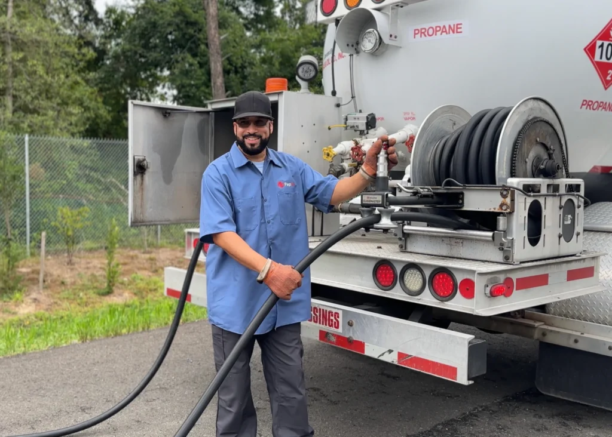
Successful propane marketers are treating workforce development as a long-term business strategy rather than an emergency hiring effort.
Finding qualified CDL drivers with hazardous materials endorsements has become one of the propane industry’s most persistent challenges. As experienced drivers retire and competition for commercial drivers intensifies, many fuel marketers are discovering that waiting until a vacancy appears is no longer an effective hiring strategy. The companies maintaining reliable service aren’t necessarily finding more drivers – they’re developing them.
Look Beyond Traditional Recruiting
Many propane companies still rely primarily on online job boards and commercial trucking recruiters. While those channels remain valuable resources, they often produce candidates who are already being pursued by multiple employers. Forward-thinking marketers are expanding their search to community colleges, technical schools, military transition programs, workforce development organizations, and local trade schools. These programs frequently introduce candidates who are looking for stable careers and long-term employers rather than simply the next driving position.
Equally important is promoting what makes propane delivery different from long-haul trucking. Predictable schedules, local routes, regular customer relationships, and the opportunity to serve the local community are desirable aspects of the job that continue to resonate with many prospective employees.
Invest in Training Instead of Waiting for Perfect Candidates
The ideal candidate rarely arrives with every required qualification already in place. Many successful propane companies now hire individuals with the right attitude and work ethic, then invest in helping them earn their CDL, hazardous materials endorsement, and required industry certifications. While this approach requires an upfront investment, it often produces employees who are more loyal and better aligned with the company’s safety culture. Structured onboarding, experienced mentors, and clearly defined training milestones help new drivers gain confidence while maintaining high operational standards.
Retention Is Part of the Recruiting Strategy
Replacing an experienced propane driver is considerably more expensive than retaining one. Competitive compensation continues to be important, but retention also depends on company culture, scheduling, communication, and opportunities for advancement. Drivers who feel supported, receive ongoing training, and have access to modern equipment and technology are generally more likely to build long-term careers with a company. Regular safety meetings, recognition programs, and professional development opportunities reinforce that investment while strengthening overall operational performance.
Make Training Records Easy to Manage
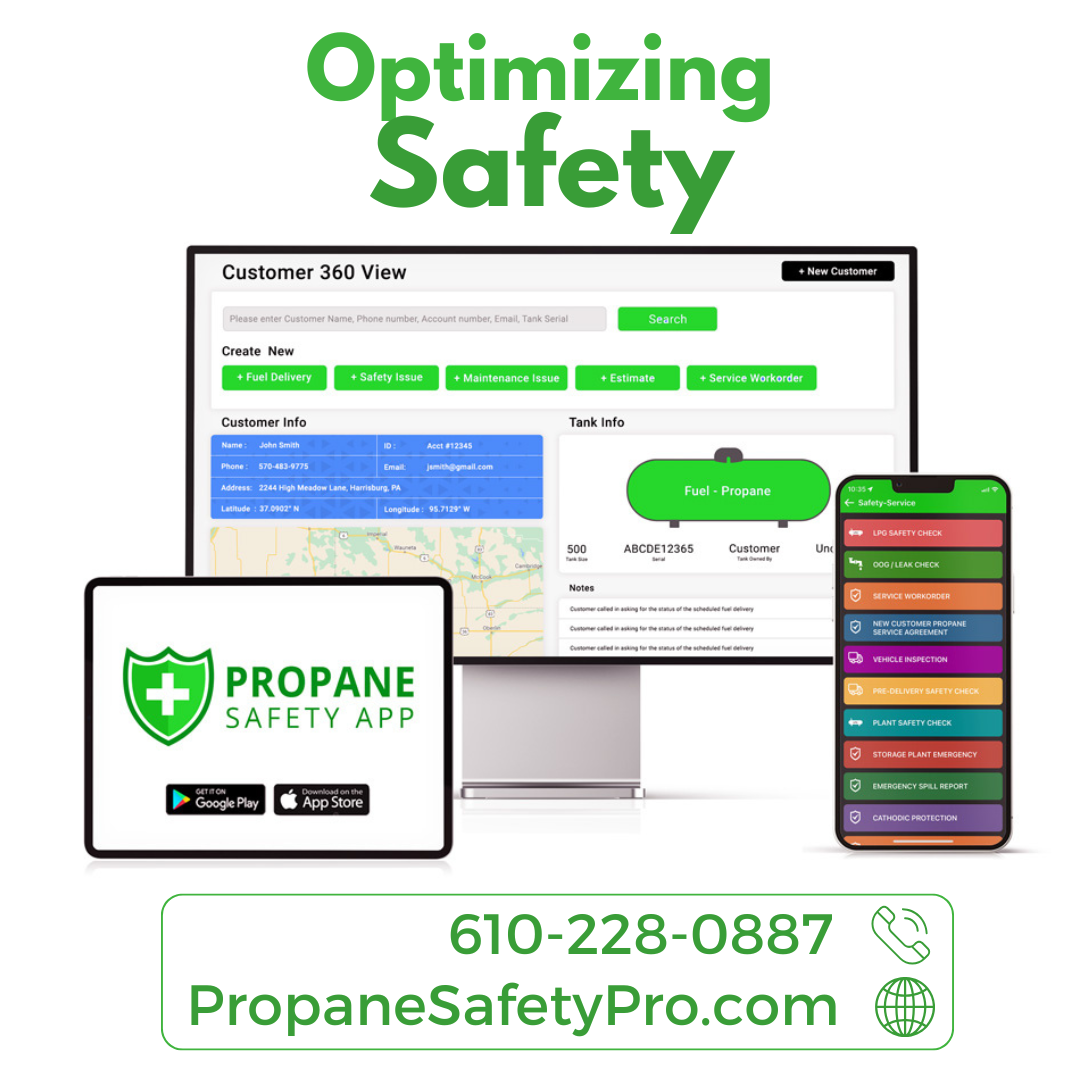
As teams grow, managing certifications, refresher training, and compliance documentation becomes increasingly complex. Digital recordkeeping simplifies audit preparation, helps managers monitor certification deadlines, and reduces the administrative burden associated with paper files. Keeping training records organized also demonstrates a company’s commitment to safety and professionalism.
A Long-Term Investment in Growth
Driver shortages are unlikely to disappear anytime soon, but propane companies can reduce their exposure by treating recruiting as a continuous process instead of a seasonal necessity. Organizations that consistently build relationships with local training programs, invest in employee development, and create clear and promising career paths are better positioned to maintain service levels, support future growth, and compete successfully in an increasingly challenging labor market.