July 3, 2026
When Safety Records Become the Real Acquisition Challenge

Acquiring another propane company often looks like a very straightforward process on paper. New customers, additional gallons, expanded territory, and greater market presence can all make an acquisition seem attractive. What frequently receives less attention is the condition of the acquired company’s safety documentation.
For many propane marketers, the most difficult part of an acquisition is not integrating new routes or customer accounts. Rather, it is bringing safety records, training documentation, inspection reports, and compliance procedures into a consistent system that can withstand regulatory review, insurance scrutiny, or legal examination if an incident should happen to occur.
Documentation Matters Long After the Deal Closes
When operations merge, documentation standards rarely match. One company may maintain detailed digital records while another relies on paper files, spreadsheets, or inconsistent filing practices. The result can be gaps that are difficult to identify until an audit, roadside inspection, or incident investigation brings them to light.
Training records, vehicle inspections, employee qualifications, tank service documentation, and incident reports all become part of a larger compliance picture. Missing records do not automatically indicate that required activities never occurred, but they can make it difficult to demonstrate that procedures were followed consistently. For propane companies operating under federal transportation requirements and state-adopted safety codes, strong documentation is often just as important as the work performed in the field.
The Challenge of Combining Two Safety Cultures
Every propane company develops its own approach to safety management over time. Following an acquisition, leaders are tasked with bringing those systems together without disrupting daily operations. That process typically involves reviewing employee training histories, verifying qualification records, confirming vehicle inspection procedures, and ensuring that service documentation follows a consistent standard across the organization.
Companies that delay this essential work often discover that administrative issues become larger problems later on. A missing certification date or incomplete inspection record may seem minor until a regulator, insurance carrier, or attorney requests documentation years after the fact.
Digital Systems Improve Visibility
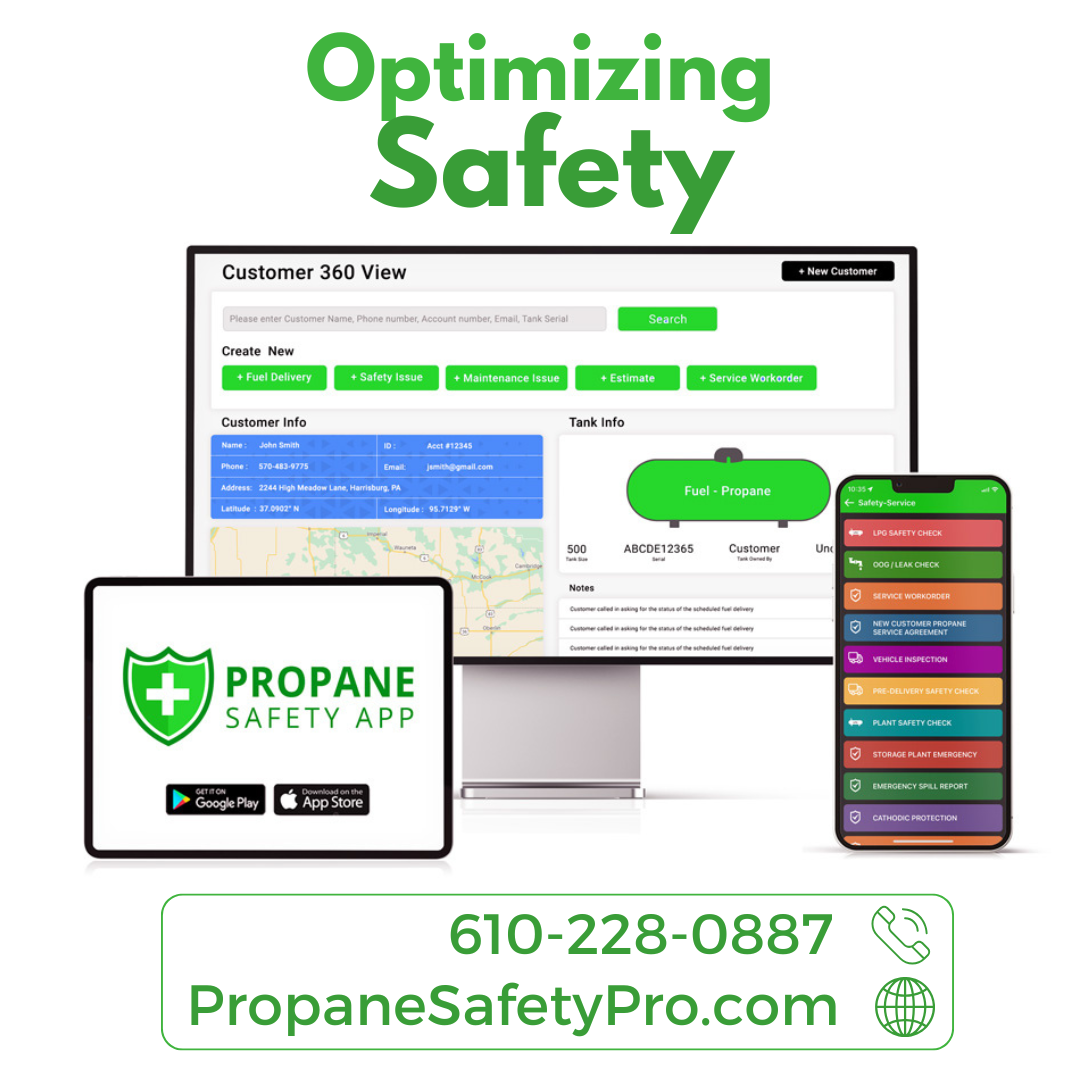
Many propane marketers are moving away from paper-based recordkeeping in favor of centralized digital systems. The primary advantage of this option is visibility. Managers can quickly determine which employees require training updates, identify incomplete inspection records, and maintain organized documentation across multiple locations.
Digital systems also simplify internal reviews and make information easier to retrieve when needed. The goal is not simply to modernize paperwork. It is to create consistency across the entire organization and reduce the likelihood that important records are overlooked.
Preparing for Future Audits
Successful compliance programs are typically built before they are needed. Companies that conduct regular internal reviews of safety records are often better positioned when regulators, insurance providers, or customers request documentation. A proactive review should include employee qualifications, driver records, inspection documentation, emergency procedures, and training histories. Identifying documentation gaps early on gives management time to correct issues before they become larger operational concerns.
Looking Ahead
Strong documentation supports more than just regulatory compliance. It helps create accountability, reinforces safety expectations, and provides management with a clearer understanding of operational performance.
For propane companies pursuing growth through acquisitions, integrating safety records should be treated as a strategic priority rather than just another administrative task. The businesses that successfully standardize documentation across their operations are often better prepared for audits, better positioned to manage risk, and better equipped to maintain a consistent safety culture as they continue to grow.
As acquisition activity continues to grow across today’s propane industry, companies are finding that integrating safety systems can be as important as integrating customers and assets. While routes and gallons may drive the deal, documentation often determines how smoothly the combined operation performs in the years that follow.