June 26, 2026
The Small Safety Oversights That Can Become Big Problems

Recent propane incidents highlight why owners should continuously evaluate inspection procedures, training, and accountability
Recent propane-related incidents in Pennsylvania and Maine serve as another reminder that major emergencies are often traced back to small failures that went unnoticed long before the event occurred. While investigations continue into the circumstances surrounding these incidents, early reports point to propane leaks as a contributing factor. For propane business owners and managers, the takeaway is not necessarily about a single cylinder, valve, or connection. The larger lesson is that risk management depends on creating systems that identify potential problems before they become emergencies.
Safety Programs Are Only as Strong as Their Daily Execution
Most propane companies already have inspection procedures, safety policies, and employee training programs in place. The challenge is ensuring that those systems are consistently followed across every delivery, service call, and customer interaction. A written procedure provides value only when it becomes part of everyday operations. The most successful propane businesses understand that safety is not created in the office. It is reinforced in the field through routine inspections, documentation, communication, and accountability.
Recent incidents demonstrate how quickly a seemingly minor propane leak can escalate into property damage, injuries, and significant liability exposure. In many cases, the question after an event is not whether procedures existed, but whether they were consistently followed and documented.
Risk Management Starts Before an Incident Occurs
Owners often focus on emergency response plans, but preventing an incident remains far less costly than responding to one. Every propane company should periodically review how inspections are being conducted, how maintenance concerns are reported, and how employees escalate potential safety issues. Small gaps in communication can create larger operational risks over time.
This is particularly important during busy seasons when delivery schedules become compressed and employees face increased workloads. Operational pressure can sometimes create shortcuts that undermine otherwise strong safety programs. Companies that regularly audit their procedures often discover opportunities to strengthen compliance, improve documentation, and reduce exposure before problems occur.
Documentation Matters More Than Ever
In today’s regulatory environment, documentation has become a critical component of risk management. When an incident occurs, investigators, insurers, and attorneys often focus on records. Inspection reports, employee training files, maintenance histories, and customer communications can all become important pieces of the review process.
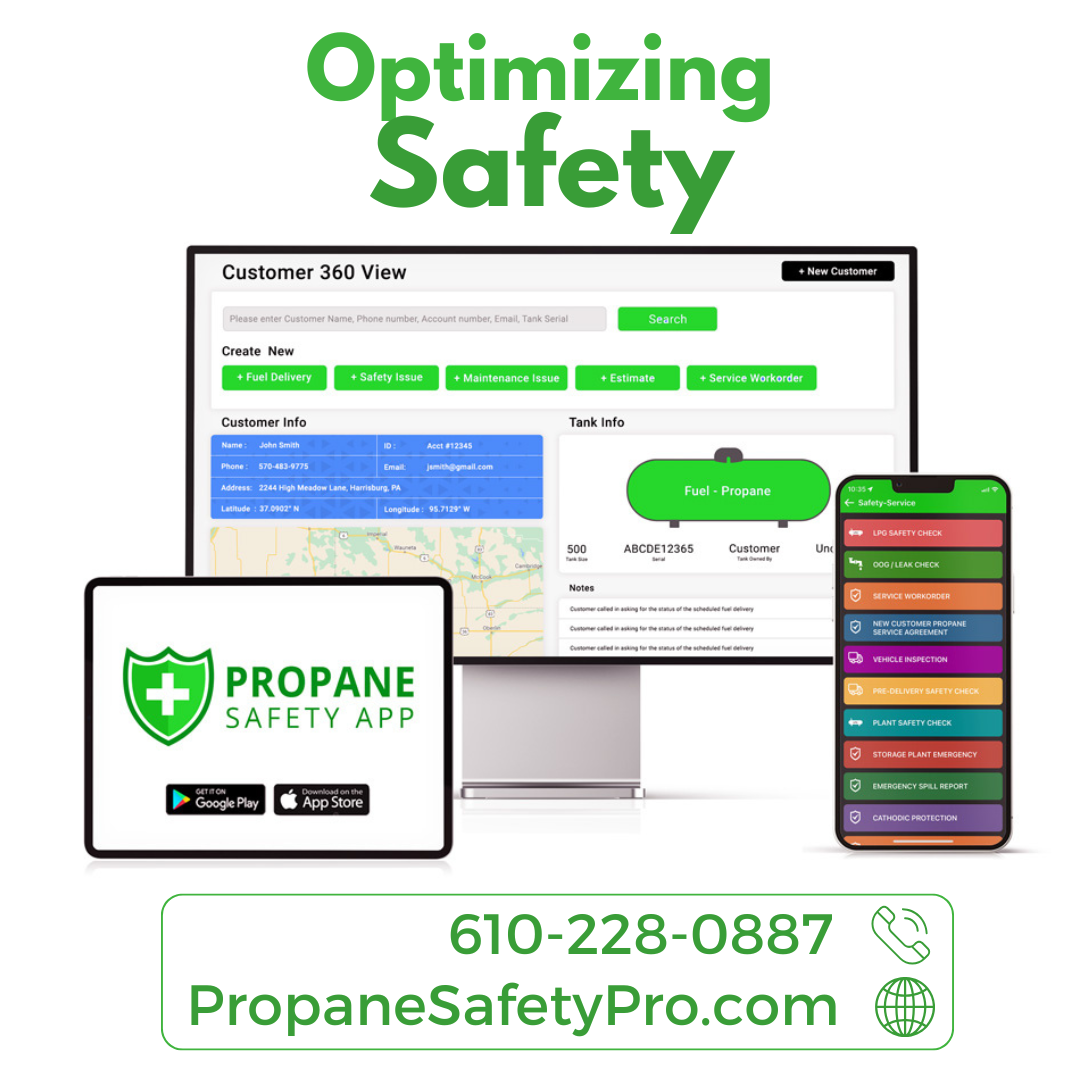
A company that can demonstrate consistent safety practices and thorough documentation is often in a stronger position than one that relies on informal processes or incomplete records. This is one reason many propane marketers are adopting digital systems that simplify inspections, training management, and record retention.
Building a Culture of Accountability
The strongest safety cultures are built around communication and accountability rather than compliance alone. Employees should feel comfortable reporting concerns, questioning unusual conditions, and escalating potential hazards without hesitation. Management, in turn, must reinforce the message that identifying a potential problem is viewed as responsible decision-making rather than an operational delay. When safety becomes part of company culture rather than a checklist exercise, organizations are often better equipped to identify risks before they lead to incidents.
The Business Case for Prevention
Every propane company understands the human importance of safety, but there is also a significant business impact. A serious incident can lead to equipment damage, service disruptions, increased insurance costs, regulatory scrutiny, legal expenses, and reputational harm. Even when a company is not directly responsible, being connected to a high-profile event can affect customer confidence.
Investing in training, inspections, documentation, and safety oversight helps protect both people and the long-term health of the business. The propane industry has made significant strides in safety over the years, but recent incidents are a reminder that vigilance remains essential. For owners and managers, the most effective safety strategy is not simply reacting to problems. It is creating operational systems that make problems less likely to occur in the first place.