Why a Structured Testing Program Is Essential for Safety and Asset Longevity


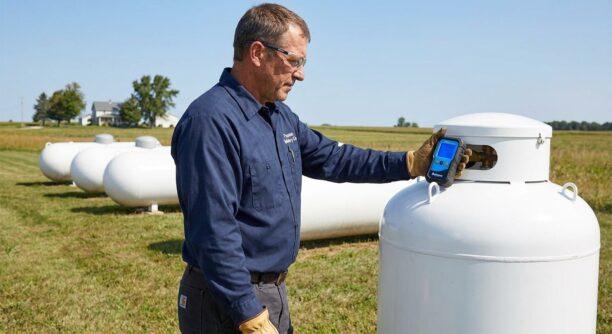
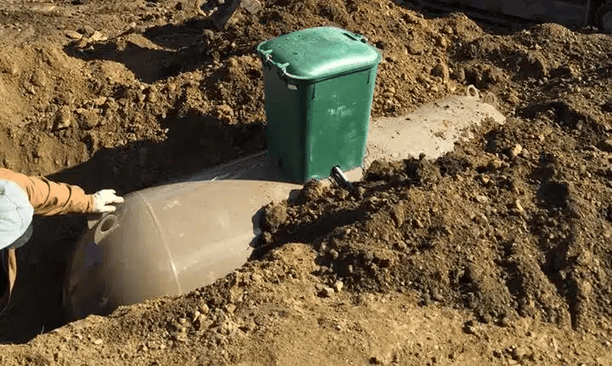
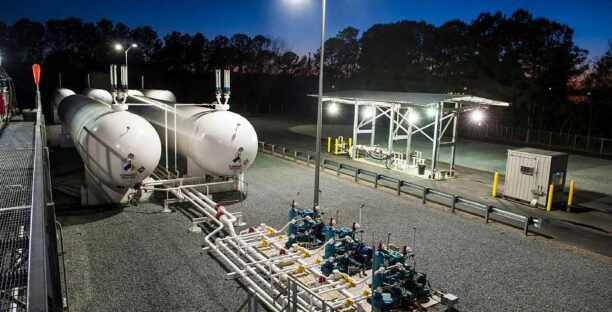
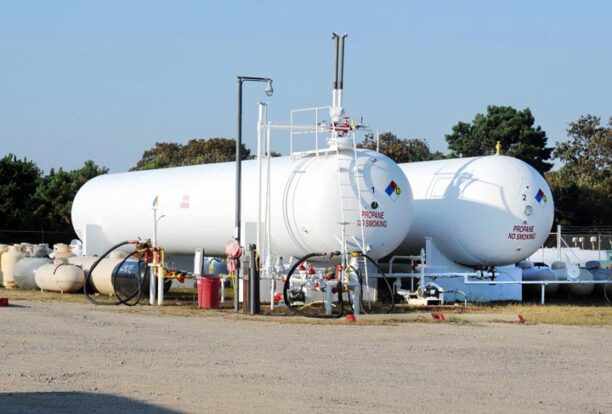
  Underground propane storage tanks protect inventory from the elements and vandalism, but they also hide a silent threat: external corrosion. As the nation’s fleet of buried tanks ages, the likelihood of metal degradation increases, creating pathways for leaks that can jeopardize public safety and erode the profit margins of their corporate owners. A proactive,… Continue reading Why a Structured Testing Program Is Essential for Safety and Asset Longevity

Building Accountability Systems That Enforce Daily Discipline


Operational discipline in a propane business is not a policy; it is a system. Many companies have procedures that look solid on paper, but execution breaks down in the field, in dispatch, or in the office. That gap carries real consequences. Missed safety checks, incomplete documentation, inefficient routing, and inconsistent customer handling all increase liability,… Continue reading Building Accountability Systems That Enforce Daily Discipline

Propane Operations Under Pressure From Uncontrollable Forces


Propane operations are built on planning, but performance is often dictated by variables no operator can control. Weather volatility, infrastructure constraints, regulatory shifts, and global energy flows continue to shape day-to-day execution in ways that are difficult to predict and even harder to manage in real time. For propane businesses, the risk is not simply… Continue reading Propane Operations Under Pressure From Uncontrollable Forces

Safety, Compliance, and Training Remain Critical in Propane Operations


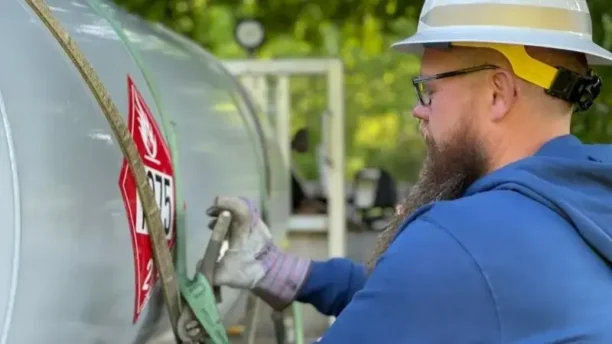
Why This Area Never Loses Relevance Safety, compliance, and training continue to shape how propane businesses operate, because the risks tied to propane distribution and use are ongoing. Every delivery, installation, and service call involves regulated equipment, public exposure, and legal responsibility. Federal transportation rules, fire codes, and insurer expectations all intersect at the field… Continue reading Safety, Compliance, and Training Remain Critical in Propane Operations

Why Insurance and Liability Still Shape Propane Business Decisions


Why This Issue Keeps Coming Back Insurance, claims, and liability management continue to influence how propane businesses operate, plan, and invest. Rising premiums, stricter underwriting, and longer claim resolution timelines have made insurance a core operational issue rather than a background expense. Decisions about coverage limits, deductibles, and risk controls now affect cash flow, safety… Continue reading Why Insurance and Liability Still Shape Propane Business Decisions

Key Industry Signals Every Propane Business Should Track


Industry events and conferences play a quiet but powerful role in shaping where the propane sector is headed. They are not just gatherings for networking or product displays. Rather, these events often reveal early signals about regulatory changes, supply trends, safety priorities, and operational shifts that affect propane businesses of all sizes. Paying close attention… Continue reading Key Industry Signals Every Propane Business Should Track

Where Liability Starts and How Propane Companies Contain It


Liability exposure in propane operations rarely comes from a single catastrophic failure. It builds through small breakdowns in process, missed documentation, incomplete inspections, and unclear handoffs between the office and the field. Claims tied to gas leaks, improper installations, or delivery errors continue to surface, not because standards are unclear, but because execution varies under… Continue reading Where Liability Starts and How Propane Companies Contain It

California Court Action on Non-Domiciled CDLs Raises Compliance Questions for Fleet Operators


Federal and State Authorities Dispute Licensing Standards A California judge issued a tentative ruling on February 26, 2026, temporarily blocking federal efforts to revoke approximately 20,000 commercial driver’s licenses (CDLs) issued to certain non-domiciled drivers. The decision does not permanently resolve the dispute but highlights ongoing tension between state licensing practices and federal commercial driver… Continue reading California Court Action on Non-Domiciled CDLs Raises Compliance Questions for Fleet Operators

Delayed Leak Response Carries Legal and Operational Risk


Leak calls are among the most time-sensitive events in propane operations, but response gaps still occur in the field. Whether caused by dispatch delays, incomplete information, or after-hours coverage issues, even short lapses can carry significant legal exposure. Courts and insurers do not evaluate intent; they evaluate response time, documentation, and adherence to established procedures.… Continue reading Delayed Leak Response Carries Legal and Operational Risk

Optimizing Fleet Maintenance with IoT and AI


Predictive Maintenance Tools Help Propane Fleets Reduce Downtime and Improve Operational Reliability For propane marketers and fuel distributors, fleet reliability remains one of the most important operational priorities. Delivery trucks represent a significant capital investment, and when a vehicle is unexpectedly taken out of service, the impact can quickly ripple across dispatch schedules, customer deliveries,… Continue reading Optimizing Fleet Maintenance with IoT and AI

Today in Propane


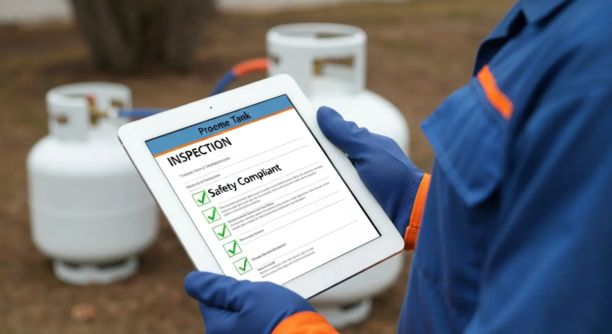
The U.S. Department of Labor unveiled the OSHA Safety Champions Program, a new initiative that spotlights companies with exemplary safety records and shares best practice toolkits across industries. Propane businesses are encouraged to participate, and many are already leveraging mobile safety platforms to streamline inspections and documentation. National Propane Gas Association (NPGA) highlighted that ongoing… Continue reading Today in Propane

When a Customer’s Generator Becomes Your Liability: Setting Clear Service Boundaries


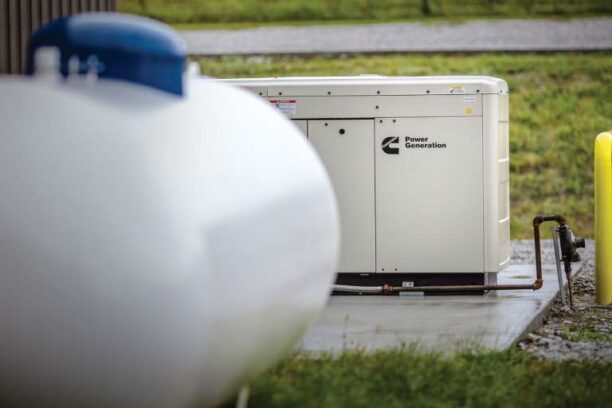
Backup generators fueled by propane are surging across the U.S. as customers chase resilience against grid instability and extreme weather, a trend echoed in recent industry reports highlighting growing propane-powered backup demand. But with increased usage comes increased risk: too often, delivery and service providers find themselves in the uncomfortable position of shoulder­ing blame and… Continue reading When a Customer’s Generator Becomes Your Liability: Setting Clear Service Boundaries

Safety Culture Isn’t Optional – It’s Your Competitive Advantage


Propane safety and compliance are no longer just checklist items – they’re strategic assets that do much to protect your people, your margins, and your reputation. While there hasn’t been a single blockbuster regulatory overhaul recently, several ongoing developments underscore how safety expectations are evolving and why propane companies – from delivery fleets to plant… Continue reading Safety Culture Isn’t Optional – It’s Your Competitive Advantage

Reliability as the Quiet Competitive Advantage in Propane Delivery


Why “Boring” Still Wins in a High-Risk Business In propane delivery, growth strategies come and go, pricing cycles rise and fall, and technology stacks change every few years. What does not change is the cost of failure. Missed fills, late deliveries, paperwork errors, and safety lapses do not just irritate customers; they create regulatory exposure,… Continue reading Reliability as the Quiet Competitive Advantage in Propane Delivery

Your “Top 20” Customers May Be Your Biggest Winter Risk


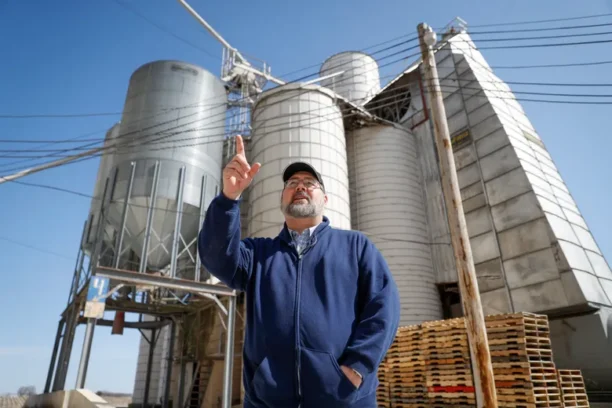
Every propane company knows who its top customers are by gallons delivered. However, few companies fully understand the operational risk those same accounts introduce when winter supply tightens. High-volume agricultural, commercial, and institutional customers often drive revenue stability, but they also concentrate exposure. One missed transport, one allocation cut, or one dispatch error tied to… Continue reading Your “Top 20” Customers May Be Your Biggest Winter Risk

Carbon Monoxide Exposure and Outdated Customer Instructions


Carbon monoxide incidents tied to propane systems remain one of the most preventable sources of serious injury, property damage, and liability in this industry. Yet many customer-facing warnings, leave-behinds, and service scripts have not meaningfully changed in years. That messaging gap creates risk. When an incident occurs, investigators and insurers do not ask whether the… Continue reading Carbon Monoxide Exposure and Outdated Customer Instructions

Duty to Warn Mailings and Liability


Duty to warn mailings have always been a foundational safety obligation in the propane industry, but the way they are evaluated has changed. Regulators, insurers, and attorneys increasingly look beyond whether a notice was mailed and focus on whether a company can prove a consistent, repeatable, and documented process. For propane businesses, that shift carries… Continue reading Duty to Warn Mailings and Liability

Modern Operations Can Strengthen the Personal Side of Propane


Propane businesses across the country are under pressure to operate more efficiently while still delivering the level of service customers expect. Rising labor costs, tighter delivery windows, safety requirements, and seasonal demand swings are pushing many companies to adopt new technology and digital tools. At the same time, there is a real concern that modernization… Continue reading Modern Operations Can Strengthen the Personal Side of Propane

Optimizing Tank Maintenance Schedules to Prevent Costly Downtime


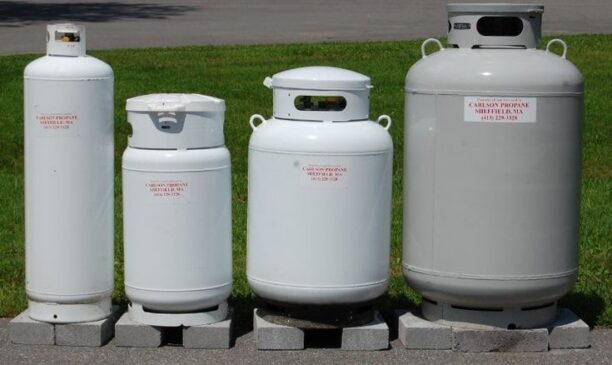
Propane tanks are critical assets for any delivery or service operation, and keeping them in optimal condition is essential for safety, efficiency, and customer satisfaction. Yet many propane companies struggle with maintenance schedules that are reactive rather than proactive, leading to costly downtime, emergency repairs, and potential service interruptions. By optimizing their tank maintenance, businesses… Continue reading Optimizing Tank Maintenance Schedules to Prevent Costly Downtime

Strengthening Customer Trust Through Smarter Safety Communication


Each year, propane marketers across the country send out Duty to Warn mailings — an essential part of risk management and customer education. But what often begins as a compliance requirement can actually become a strategic opportunity to build stronger customer relationships. Here’s how… A Modern Approach to Duty to Warn Traditionally, Duty to Warn… Continue reading Strengthening Customer Trust Through Smarter Safety Communication