
June 26, 2026
Middle East Ceasefire Offers Temporary Relief for Propane Supply Chains
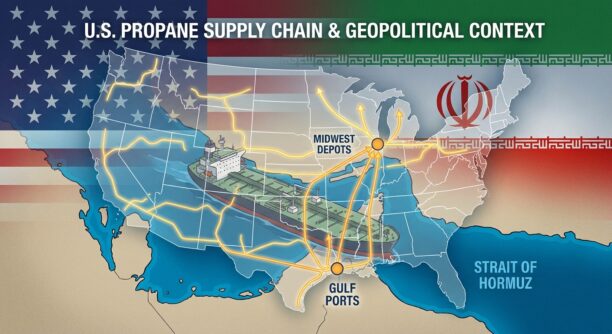
A recently announced ceasefire between the United States and Iran may provide short-term relief for global energy markets, easing some of the shipping pressures that have affected propane supply chains over the past two years. While the agreement could reduce transportation costs and improve vessel movement through critical trade routes, propane marketers should view the development as a temporary opportunity rather than a permanent solution. Supply chain resilience remains essential as geopolitical uncertainty continues to influence energy markets worldwide.
The Situation
Global events rarely stay confined to one region when energy markets are involved. For propane distributors across the United States, developments in the Middle East can directly influence wholesale prices, transportation costs, and product availability thousands of miles away.
The recently announced 60-day ceasefire between the United States and Iran has attracted significant attention from energy analysts because of its potential impact on shipping activity in and around the Strait of Hormuz, one of the world’s most important energy transportation corridors. While the agreement may ease some immediate concerns, industry leaders continue to monitor the situation closely as long-term stability remains uncertain.
A Critical Shipping Route for Global Energy Markets
The Strait of Hormuz serves as one of the most heavily traveled energy corridors in the world. Significant volumes of crude oil, refined petroleum products, and liquefied petroleum gases move through the region every day. Periods of heightened tension have historically led to increased shipping costs, longer transit times, and higher insurance premiums for carriers operating in the area. Even when physical supply remains available, transportation disruptions can create pricing pressure throughout global energy markets. For propane marketers, these disruptions often appear in the form of higher wholesale costs, increased freight expenses, and greater uncertainty when planning future purchases.
Potential Relief for Transportation Costs
With hostilities temporarily reduced, shipping companies may regain access to more efficient routes that were previously considered high risk. Lower transportation costs and improved vessel movement could help stabilize energy markets during the ceasefire period.
While propane produced in the United States is largely sourced domestically, global energy markets remain interconnected. Changes in international shipping costs and export activity can influence supply balances and pricing across North America.
Supply Chain Planning Remains Essential
Despite the positive market reaction, industry experts caution against assuming that current conditions will remain unchanged. The ceasefire is temporary, and geopolitical risks have not disappeared.
For propane distributors, the lesson is familiar: flexibility remains one of the most valuable assets in supply planning. Companies that maintain strong supplier relationships, monitor market developments closely, and diversify sourcing options are typically better positioned to respond when conditions shift unexpectedly.
Propane Business Impact
For propane retailers and distributors, any reduction in transportation costs can provide welcome relief after years of supply chain volatility. Lower freight expenses may improve purchasing opportunities, support inventory replenishment efforts, and help stabilize operating costs during peak demand periods.
At the same time, relying on short-term geopolitical developments as a long-term supply strategy can create unnecessary risk. Successful propane companies continue to focus on fundamentals such as inventory management, supplier diversification, and operational efficiency regardless of temporary market improvements.
Key Takeaways
The ceasefire between the United States and Iran may provide temporary relief for global energy transportation networks and could help reduce some of the logistical pressures affecting propane markets. However, the agreement does not eliminate the broader geopolitical risks that continue to influence energy pricing and supply chains.
For propane businesses, the current environment reinforces the importance of maintaining strong inventory strategies, monitoring market developments, and investing in operational systems that improve flexibility. Companies that use periods of stability to strengthen their supply chain resilience will be better prepared for whatever challenges emerge next.