May 22, 2026
PERC Expands Autogas Training Program to Help Solve Technician Shortage
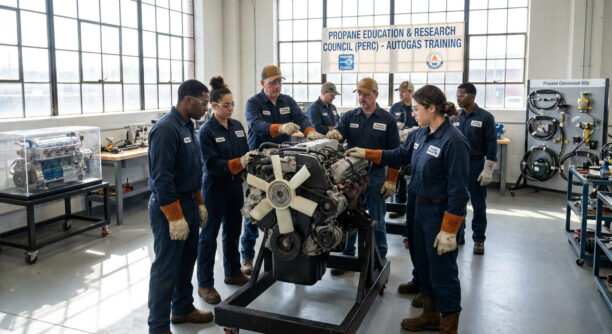
The propane industry’s workforce challenge is getting new attention as the Propane Education & Research Council (PERC) expands its Propane Autogas Vehicle Inspection Grant Program to nine additional technical schools across the country.
The initiative is designed to strengthen hands-on training for propane autogas technicians at a time when fleets are increasingly adopting propane-powered vehicles and demand for qualified service professionals continues to rise.
With grants of up to $150,000 per school, the program will help institutions build training labs, purchase inspection equipment, and develop propane autogas curriculum focused on vehicle maintenance, safety procedures, and system diagnostics.
Growing Autogas Adoption Is Driving Demand for Skilled Technicians
Propane autogas continues gaining traction among school districts, delivery fleets, municipalities, and commercial operators looking for lower-emission alternatives to gasoline and diesel. As more propane-powered buses, vans, and fleet vehicles hit the road, companies are facing a growing need for technicians trained specifically in autogas systems.
Industry leaders say the shortage of qualified workers is becoming a serious concern, particularly as experienced technicians retire and younger workers remain difficult to recruit into skilled trades. PERC’s expanded grant program is aimed directly at that gap. By increasing technical education opportunities now, the industry hopes to build a stronger long-term workforce pipeline capable of supporting future fleet growth.
Hands-On Learning Takes Center Stage
Unlike traditional classroom-only programs, the expanded training initiative focuses heavily on practical experience. Participating schools will create lab environments where students can perform propane vehicle inspections, learn conversion procedures, and practice real-world troubleshooting techniques. The goal is to ensure that graduates enter the workforce with direct experience handling propane autogas systems safely and efficiently.
Many programs will also partner with local propane companies and service providers to give students exposure to field operations and day-to-day service work before graduation. That industry involvement is especially important for smaller propane businesses looking to recruit technicians already familiar with autogas systems and safety standards.
Mentorship and Safety Remain Key Priorities
The initiative also includes mentorship opportunities connecting students with experienced propane technicians and industry professionals. For many schools, that mentorship component could become one of the most valuable parts of the program. It gives students insight into certification requirements, field expectations, and the realities of working in propane fleet maintenance and service operations.
Safety training remains a major focus throughout the curriculum as well. With propane autogas adoption increasing nationwide, industry organizations continue emphasizing the importance of consistent inspection procedures and technician education to maintain public confidence and regulatory compliance.
Why Workforce Development Matters
For propane marketers and fleet operators, the technician shortage is no longer just a hiring issue – it is becoming a growth issue. Without enough trained workers, companies may struggle to expand autogas operations, maintain service quality, or keep up with customer demand as propane-powered fleets continue to grow.
Programs like PERC’s grant initiative help address that challenge by creating a more reliable pipeline of entry-level technicians who already understand propane systems, inspection requirements, and safety procedures before entering the workforce. That reduces onboarding time for employers and helps strengthen the industry’s long-term labor pool.
Final Thoughts
As propane autogas adoption accelerates, the industry’s ability to train and recruit qualified technicians is becoming increasingly important. PERC’s expanded education initiative represents an important investment in workforce development and long-term operational sustainability. It also reflects a growing recognition that the future of propane transportation will depend not only on vehicle technology – but also on building the skilled workforce needed to support it.
Information for this article was provided by the Propane Education & Research Council.