
May 22, 2026
Multi-Fuel Fleets Are Rising – and Propane Is Emerging as a Practical Choice
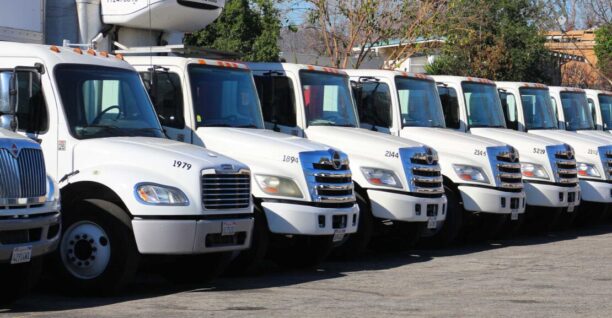
Fleet operators across the United States are increasingly moving away from one-size-fits-all fuel strategies. According to the newly released State of Sustainable Fleets 2026 report, companies are diversifying vehicle fleets across propane, natural gas, and renewable fuels as they respond to changing regulations, economic pressure, and evolving sustainability goals. For the propane industry, the trend represents more than just growing interest in alternative fuels – it positions propane autogas as a realistic, scalable solution for fleets looking to lower costs without sacrificing reliability.
Fleets Are Prioritizing Flexibility
The latest fleet data shows a noticeable shift in strategy. Instead of committing entirely to one alternative energy source, many operators are building mixed-fuel fleets designed to adapt to market conditions, fuel pricing, and policy changes. That flexibility is becoming increasingly important as transportation companies navigate emissions regulations, equipment costs, tariffs, and uncertain economic conditions. For many fleet managers, propane is gaining attention because it offers a middle ground: lower emissions and lower operating costs without the infrastructure challenges associated with some emerging technologies.
Why Propane Is Gaining Momentum
Propane autogas already has one major advantage over many alternative fuels – it is widely available. Unlike some newer energy platforms that still require major charging or fueling infrastructure investments, propane distribution networks are already established across much of the country. That reduces adoption barriers for commercial fleets that need dependable fueling access immediately.
Fleet operators are also drawn to propane’s operational benefits, including:
• Lower fuel costs compared to gasoline and diesel
• Reduced maintenance requirements
• Lower greenhouse gas emissions
• Reliable cold-weather performance
• Proven technology already in commercial use
For companies focused on predictable operating expenses, those advantages can have a meaningful impact on long-term fleet costs.
Propane’s Operational Edge Is Now More Visible
For propane delivery companies, this trend is about more than reducing their own carbon footprint. It is also an opportunity to position propane as a practical and sustainable fuel solution for other commercial fleets.
Propane autogas continues to stand out because it combines reliability, lower maintenance costs, and measurable emissions reductions compared to gasoline and diesel-powered vehicles. At the same time, propane benefits from something many alternative fuels still lack: an established nationwide distribution network.
That existing infrastructure gives propane a significant operational advantage. Fleets can adopt propane vehicles without waiting for large-scale charging networks or major infrastructure buildouts, thereby making the transition faster and more affordable.
The shift toward multi-fuel operations is also encouraging propane companies to think more broadly about diversification. Some marketers are exploring additional fuel-related services and delivery models that build on their existing fleet expertise. Innovative platforms like blinkfuel are part of that evolving landscape, helping fuel providers expand into on-demand fuel delivery and broader fleet service offerings.
Propane Companies Have an Opportunity to Lead
The move toward diversified fleets creates a unique opening for propane marketers and distributors. Companies already operating propane-powered bobtails, service trucks, or fleet vehicles can use their own operations as real-world proof when speaking with commercial customers considering fuel alternatives.
That credibility matters. Businesses are often more willing to explore propane autogas when they see propane companies successfully using the technology themselves. In many markets, propane distributors are now positioned to become advisors as much as fuel providers – helping school districts, contractors, municipalities, and local delivery fleets evaluate practical alternatives to diesel fuel.
Economic Pressure Is Accelerating Adoption
The current transportation environment is also helping propane gain traction. Rising diesel costs, stricter emissions standards, and uncertainty around future regulations are pushing fleet operators to look for solutions that are both affordable and immediately deployable.
Propane fits that need because it offers emissions benefits without requiring the same level of infrastructure investment or operational disruption associated with fully electric fleets. For many operators, especially regional fleets and service-based businesses, propane represents a practical transition fuel that balances sustainability goals with operational reality.
Diversification Is Becoming a Business Strategy
The broader takeaway from the State of Sustainable Fleets 2026 report is that fuel diversification itself is becoming a long-term business strategy. Fleet operators no longer want to depend entirely on one fuel source or technology platform. Instead, they are building flexibility into their operations so they can adapt more easily to market shifts, regulatory changes, and supply disruptions. That trend could continue creating opportunities for propane providers who position themselves as part of a broader energy solution rather than simply an alternative fuel supplier.
Key Takeaways
Fleet operators are increasingly adopting multi-fuel strategies that include propane, natural gas, and renewable fuels as they respond to economic and regulatory pressures. Propane autogas is gaining momentum because of its established infrastructure, lower operating costs, and practical emissions benefits. For propane marketers and distributors, the trend creates new opportunities to expand commercial fleet partnerships and position propane as a dependable, scalable transportation fuel.
The future of fleet energy is no longer centered around a single solution. Flexibility, reliability, and cost control are becoming the driving forces behind fuel decisions. In that environment, propane’s combination of existing infrastructure, operational savings, and proven performance is helping it stand out as a practical option for fleets looking to adapt without taking on unnecessary risk.