
Why Early Movers Win When Propane Supply Tightens
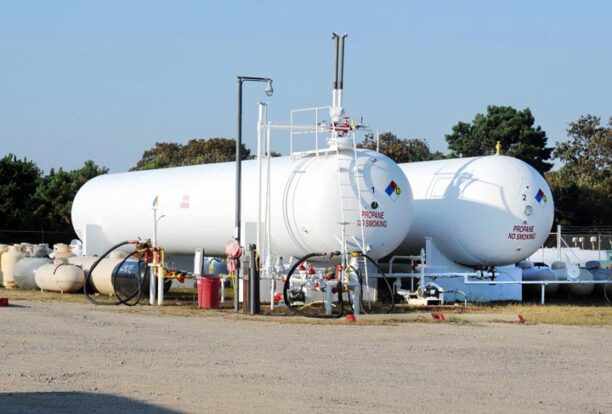
Every propane business has lived through it – a pipeline constraint, terminal outage, rail delay, or sudden cold snap turns an otherwise manageable season into a daily triage exercise. When supply tightens, the difference between companies that scramble and those that stay operational usually comes down to what was done weeks or months earlier. Early movers consistently outperform late responders because constrained markets punish hesitation. The impacts are not abstract. They show up in delivery failures, overtime spikes, safety shortcuts, insurance exposure, and customer churn. Preparedness is not about predicting the exact disruption; it is about building operational flexibility before options narrow.
Where Constraints Actually Hurt First
Supply constraints rarely begin with empty caverns. They begin at access points. Terminal rack restrictions, reduced loading hours, carrier shortages, or pipeline allocations are where pressure shows up first. Inventory may exist on paper, but the ability to physically move product becomes the bottleneck. Companies who secured alternate terminals, diversified carriers, or pre-booked transport capacity early retain control. Those who wait often pay spot premiums, accept longer hauls, or overload already stressed drivers. Data from sites across the propane industry consistently shows that regional logistics disruptions, not national supply levels, drive price volatility and service interruptions during peak demand. Early movers will do much to help insulate themselves from these chokepoints.
Dispatch and Staffing Under Pressure
When supply tightens, dispatch becomes a risk management function, not just a scheduling task. Companies that pre-adjust routes, rebalance degree-day assumptions, and limit discretionary fills before constraints hit preserve service capacity for critical accounts. Staffing decisions matter just as much. Early movers often lock in seasonal drivers, pre-authorize overtime budgets, and stage equipment before the rush. Late movers react by stretching hours, compressing training, and increasing fatigue-related safety exposure. Insurers notice these patterns. Claims frequency tends to rise during constrained periods, especially when fatigue and rushed decision-making enter the picture.
Compliance and Safety Do Not Pause for Shortages
One of the most dangerous myths in constrained markets is that regulators and plaintiffs will overlook lapses because conditions were difficult. The harsh reality is that they will not. Emergency declarations may adjust hours-of-service enforcement or access rules, but leak response, documentation, training, and qualification standards remain intact. Early movers protect themselves by tightening procedures ahead of constraints, not loosening them during a crisis. They pre-stage safety audits, refresh emergency response protocols, and reinforce authority for drivers to stop unsafe operations without penalty. That discipline often prevents minor issues from becoming reportable incidents when scrutiny is highest.
The Consequences of Poor Planning
Preparedness also shows up on the balance sheet. Companies that secure supply early avoid extreme spot pricing and last-minute transport premiums. They maintain margin discipline instead of explaining surcharges after the fact. Just as important, customers remember reliability more than explanations. Commercial and residential accounts rarely forgive missed deliveries caused by poor planning, even when the broader market is stressed. Early movers tend to emerge from constrained seasons with stronger customer retention and referral momentum, while late responders spend the following year repairing trust with their client base.
Developing a Preparedness Plan
To join the ranks of proactive businesses striving to be early movers, one must develop a plan. Begin by mapping every primary and secondary supply point and stress-testing access assumptions under peak demand scenarios. Following that, pre-negotiate transport capacity and loading windows before weather or infrastructure issues arise. Next, align dispatch, safety, and staffing plans around constrained conditions, not normal operations. Lastly, document contingency decisions in advance so that field teams are well-equipped to act decisively without improvising under pressure.
Winning Tight Markets
Constrained markets are not anomalies; they are recurring tests of operational maturity. Likewise, companies that move early are not simply better at guessing; they are reducing dependence on perfect conditions. Over time, that discipline compounds into lower risk, steadier margins, safer operations, and stronger customer loyalty. In propane, winning during tight markets is less about access to fuel and more about access to options. Early movers excel at keeping their options open when others run out.