Sweet Home RV Inferno: How a Single Propane Line Leak Could Torch Your Company’s Future
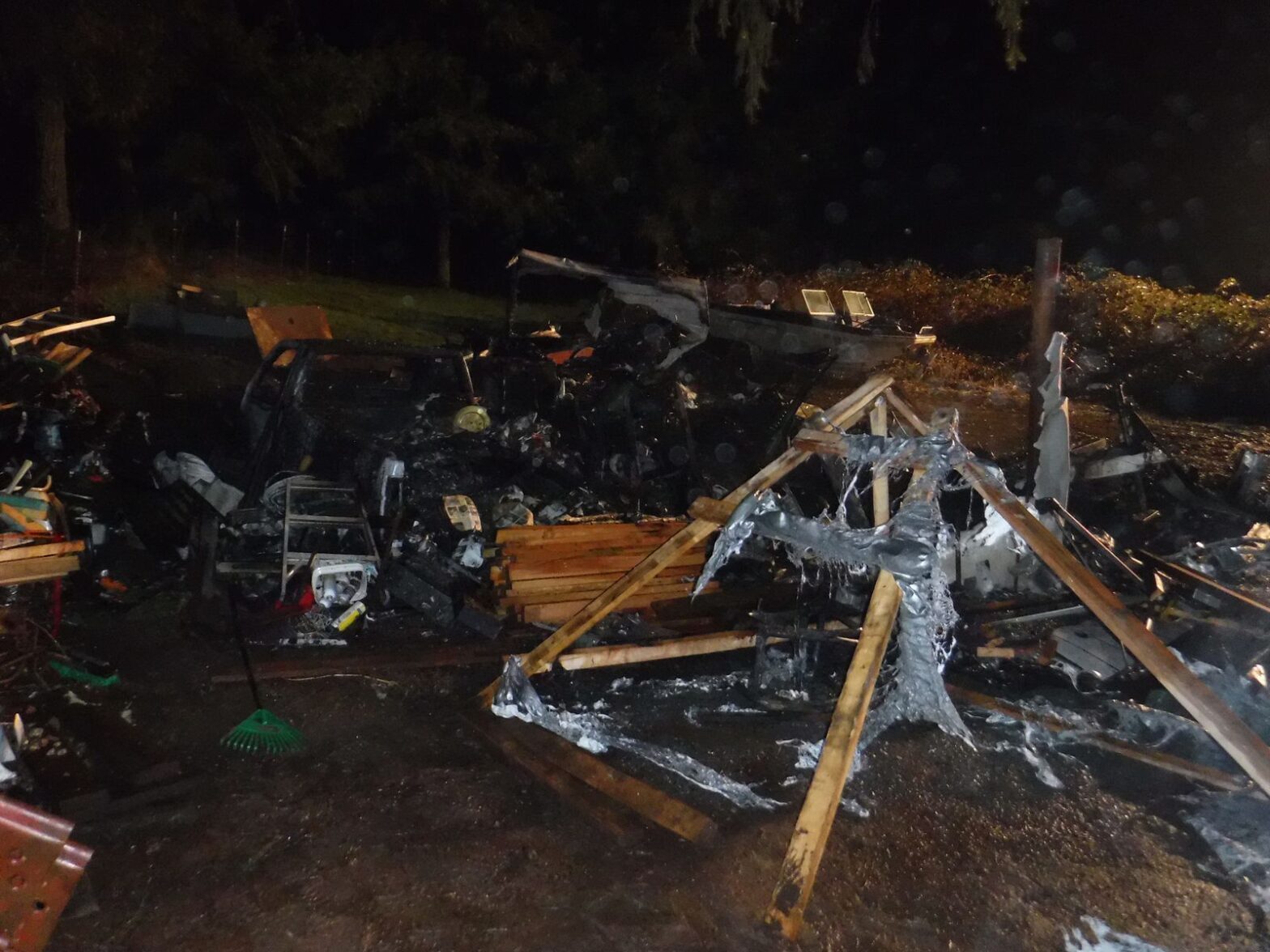
In the early hours of March 18, 2025, a quiet neighborhood in Sweet Home, Oregon, was shattered by a sudden blaze that consumed a camp trailer on Brush Creek Road. Around 1:40 a.m., what began as a faint hiss at the connection between a small propane heater and its tank became a roaring fire that tore through the RV. The couple living inside had recently refilled several propane tanks, an everyday act that turned catastrophic within seconds. One resident barely escaped, suffering smoke exposure during the frantic evacuation, while their attempt to save two dogs ended in tragedy; one pet remained missing even after an extensive search by firefighters.
By the time Linn County deputies arrived, the trailer was engulfed in flames, and the heat had already spread to a nearby pickup. Propane cylinders exploded one by one, scattering debris and threatening nearby property. Fire crews from Sweet Home, Mohawk Valley, and Brownsville Rural Fire worked for hours to contain the blaze, which investigators later traced back to a failed connection between the heater and the propane line.
The Hidden Dangers in Everyday Connections
For propane professionals, this disaster serves as a grim warning. Mobile living setups like RVs depend heavily on propane for warmth and cooking, but their systems are exposed to vibration, wear, and user error that fixed installations don’t face. The fire’s suspected cause, a compromised line between heater and tank, points to problems propane technicians encounter daily: weakened fittings, overfilled cylinders, or incomplete customer guidance after refills.
Even when your company isn’t directly connecting equipment, your responsibility doesn’t end once the tank leaves your yard. If that tank was last filled by your staff and a fire follows within hours, investigators will look at your documentation, your inspection process, and your training records. NFPA 58 requires secure fittings, proper pressure testing, and customer education on appliance safety. If any of those steps are skipped or undocumented, your company could be drawn into liability claims, even when a customer error sparked the event.
The Financial and Legal Fallout
The legal and financial exposure from incidents like Sweet Home’s RV fire is staggering. Total property loss, medical evaluations, and emotional distress can trigger civil suits easily exceeding $100,000. Under Oregon law, propane systems are classified as hazardous goods, meaning suppliers can be held jointly liable if negligence or incomplete inspection is proven. Insurance carriers, facing large claims, may raise premiums sharply or even refuse coverage if safety lapses appear systemic.
For company owners, the risks extend further. OSHA’s 2025 fine increases place penalties for untrained or improperly supervised technicians at over $150,000 per violation. Repeat offenders could face license suspensions or personal liability under state corporate accountability laws. Criminal charges, while rare, remain possible if regulators determine that negligence endangered lives. In short, one overlooked leak can torch far more than a customer’s property; it can jeopardize your entire business.
Turning Lessons Into Prevention
The Sweet Home incident highlights how attending to small details, like testing a line or recording an inspection, can serve to prevent tragedy. Routine tank refills should include hose checks, leak tests, and clear communication with the customer on safe heater use. Every technician should be trained to verify line integrity and identify outdated or corroded tanks before they leave the facility. These are not optional safety steps; they are the only shield between routine service and irreversible disaster.
But even the best safety intentions mean very little if they are performed without proper documentation. A diligent technician’s notes can be challenged if they lack verifiable proof such as timestamps, photos, or digital signatures. When inspectors or attorneys ask for NFPA 58 compliance records, companies that rely solely on manual systems often struggle to produce consistent evidence. That gap can turn a simple service error into a costly legal liability.
In the aftermath of an accident, lawyers and insurers don’t rely on memories or hearsay; they rely on the records that were carefully kept. That’s where digital safety tools now play a crucial role in protecting propane businesses.
The Role of Digital Safety Documentation
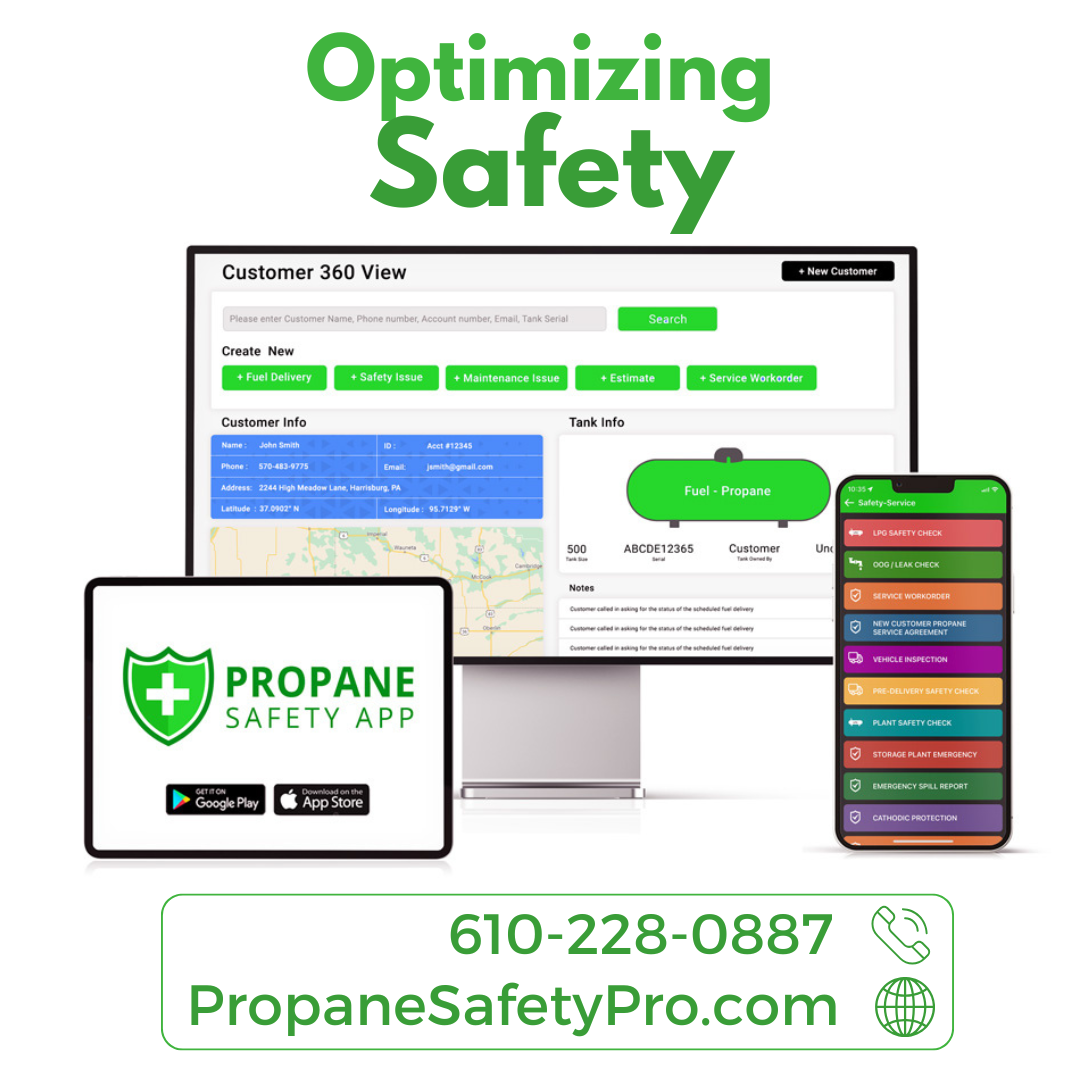
Mobile apps like Tank Spotter and the Propane Safety App (available at tankspotter.com and propanesafetypro.com ) have changed how propane companies manage risk. These platforms allow service technicians to log inspections, leak tests, and component checks directly from the field, complete with photos, time stamps, and GPS data. This kind of real-time digital documentation turns every service call into a verifiable safety record, evidence that can protect your business if something goes wrong later.
Insurance companies increasingly recognize the value of these tools and often recommend them to their propane clients. In fact, several major insurance carriers now offer 15-25% premium discounts to businesses that use apps like Tank Spotter, citing fewer claims and better safety compliance. The reason is simple: digital records reduce human error, improve accountability, and make compliance with NFPA 58 and OSHA standards far easier.
Beyond the solid legal protection they provide, these invaluable tools also help you manage your team more effectively. Managers can track field activity, identify recurring service issues, and ensure that every technician follows the same standardized procedures. That consistency not only prevents dangerous accidents; it also builds corporate reliability and customer trust.
Safer Practices, Stronger Businesses
Fires like the one in Sweet Home are tragic reminders of what can happen when safety protocols falter. But they also show how much control propane businesses truly have. By combining strong training programs with digital documentation tools, you can reduce liability, streamline compliance, and give insurers confidence in your operation. A mobile safety platform makes recordkeeping easier and demonstrates your commitment to doing your job with excellence.
When propane companies invest in safety systems like Tank Spotter and the Propane Safety App – resources that work as hard as their people do – everyone wins. The workforce stays protected, customers stay safe, and your business stays resilient in the face of constant risk. It is wise to keep in mind that one well-documented inspection can be the difference between a routine refill and a headline-making tragedy.