July 7, 2026
Propane Regulators Don’t Last Forever: Why Routine Inspections Matter
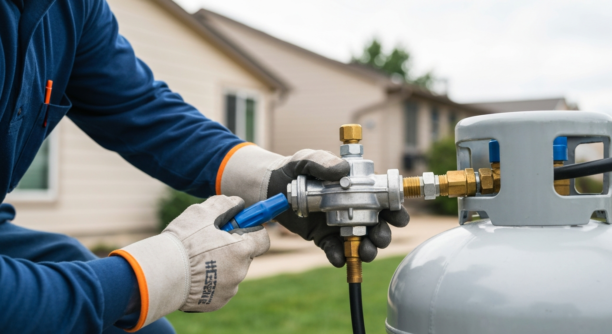
Propane regulators are among the most important safety components in any propane system, yet they’re often overlooked because they typically operate without drawing attention to themselves. Unlike tanks or appliances, regulators usually work quietly in the background for years. That reliability has led to a common misconception that once a regulator is installed, it never needs to be replaced.
In reality, regulators are mechanical devices that wear out over time. Understanding how they age and recognizing the warning signs of deterioration can go a long way in helping propane companies prevent service interruptions, improve customer safety, and reduce costly emergency calls.
A Regulator Is a Wear Item
Every propane regulator contains moving and flexible components that control gas pressure before it reaches the customer’s appliances. These parts operate continuously and are exposed to changing temperatures, rain, snow, humidity, sunlight, and airborne contaminants throughout the year.
As regulators age, internal diaphragms can lose flexibility, springs may weaken, and seals can deteriorate. Corrosion and debris may also affect performance. While many regulators provide years of dependable service, none are designed to last indefinitely.
Because operating conditions vary from one installation to another, replacement decisions should be based on regular inspections, the regulator’s condition, manufacturer guidance, and company maintenance practices rather than the assumption that the equipment will last for the entire life of the system.
Small Problems Can Become Bigger Ones
A regulator that is beginning to fail often provides warning signs before it stops working altogether. Customers may report inconsistent appliance performance, pilot lights that won’t stay lit, burners producing weak or irregular flames, or heating equipment that cycles unpredictably. During an inspection, technicians may notice corrosion, physical damage, insect activity around the vent, or evidence that the regulator has been exposed to water or other environmental hazards. While these symptoms do not always indicate regulator failure, they should prompt further evaluation to determine whether repair or replacement is appropriate.
Routine Inspections Reduce Unplanned Service Calls
Waiting until a regulator fails can create unnecessary inconvenience for customers and increase emergency service requests during the busiest times of the year. Including regulator inspections during scheduled service visits, tank installations, or other maintenance appointments allows technicians to identify potential issues before they become larger problems.
Preventive maintenance also gives companies the opportunity to plan repairs during normal business hours rather than responding to after-hours emergencies. A consistent inspection program helps improve system reliability while supporting long-term customer satisfaction.
Safety and Reliability Go Hand in Hand
Pressure regulation is essential for the safe operation of propane appliances. Any component responsible for controlling gas pressure deserves regular attention as part of a comprehensive safety program. Although industry codes establish important installation and inspection requirements, manufacturers also provide recommendations for proper maintenance and replacement. Following these guidelines, along with company inspection procedures, helps to ensure that propane systems continue operating safely and efficiently. Documenting inspection findings also creates a valuable maintenance history that supports future service decisions and demonstrates a proactive approach to system safety.
Building Customer Confidence Through Preventive Maintenance
Many customers assume that propane systems require little maintenance after installation. Taking the time to explain the role of the regulator and why periodic inspections are recommended helps customers better understand the value of preventive service. Companies that emphasize routine inspections instead of waiting for equipment to fail often experience fewer emergency calls, stronger customer relationships, and greater confidence in the reliability of the systems they maintain.
When it comes to propane regulators, the goal isn’t simply replacing aging equipment – it’s identifying potential issues before they malfunction and affect safety, performance, or customer service. That proactive approach of preventive maintenance benefits both propane retailers and the customers who rely on them every day.