July 7, 2026
Audit-Ready Drivers Start With Strong Hazmat Training
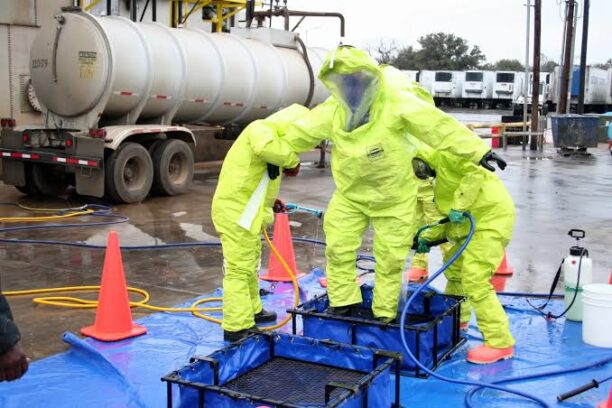
Transporting propane safely requires more than experienced drivers and reliable equipment. It also requires a workforce that understands hazardous materials regulations, follows established procedures, and maintains up-to-date training records. Even a single mistake during transportation can have serious consequences for employees, customers, and the public. For propane delivery companies, compliance isn’t simply about avoiding penalties; it’s about creating a safety culture that prepares drivers to respond correctly before, during, and after every delivery.
Compliance Requires Constant Attention
Federal hazardous materials regulations establish specific requirements for employees who transport, load, unload, or otherwise handle propane. These requirements cover everything from shipping documentation and vehicle placarding to emergency response procedures and safe loading practices.
Regulations also require hazmat employees to receive initial training and periodic recurrent training. As procedures evolve and regulations change, companies should ensure that all employees receive updated instruction that reflects current requirements and company policies. Businesses that treat training as an ongoing process rather than a one-time event are generally better prepared for both routine inspections and unexpected incidents.
Documentation Matters as Much as Training
Providing quality instruction is only part of the equation. Companies should also maintain organized records showing when employees completed required training, what subjects were covered, and who conducted the instruction.
During compliance reviews or incident investigations, strong documentation proves that the company has invested in employee qualification and regulatory compliance. Missing or incomplete records can complicate an audit even when employees are following proper procedures. Maintaining accurate records also makes it easier to identify upcoming training renewals and avoid lapses that could create unnecessary compliance risks.
Preparing Drivers for Real-World Situations
Effective hazmat training extends beyond classroom presentations. Drivers should regularly review emergency procedures they may encounter in the field, including leak recognition, accident reporting requirements, communication protocols, and incident scene safety.
Practical exercises help reinforce decision-making under pressure and ensure that drivers understand both the regulatory expectations and company-specific procedures. Regular discussions about recent industry incidents can also provide valuable learning opportunities without relying on speculation.
The Business Value of a Strong Safety Program
Investing in continuous hazmat training provides benefits far beyond just regulatory compliance. Well-trained employees are better equipped to recognize hazards before they become emergencies, reducing the likelihood of incidents that can disrupt operations, damage equipment, or expose the business to liability. Strong safety programs can also improve operational consistency, strengthen customer confidence, and demonstrate professionalism during inspections. For smaller propane companies, maintaining an audit-ready workforce can become a competitive advantage by reinforcing a reputation for dependable, responsible service.
Staying Prepared Before the Next Inspection
Safety programs should be reviewed regularly rather than only when an inspection is scheduled. Managers can periodically verify that employee qualifications remain current, training records are complete, emergency procedures have been updated, and drivers understand any recent regulatory changes.
This type of proactive approach helps companies avoid last-minute compliance issues while creating a safer work environment for everyone involved in the transportation of propane. The strongest fuel operations recognize that audit readiness isn’t achieved the week before an inspection. Rather, it’s built through consistent training, accurate documentation, and a commitment to continuous improvement every day.