July 17, 2026
NFPA Code Changes Accelerate the Shift Toward Digital Safety Management

Propane Companies Face a New Era of Compliance
Safety has always been at the center of the propane industry, but the methods used to document and manage that safety are evolving rapidly. As the latest code revisions take shape, many propane companies are discovering that compliance is no longer just about performing inspections, maintaining equipment, and training employees. Increasingly, it is about proving those activities happened through accurate, accessible, and verifiable records. The direction of the upcoming code cycle is clear: digital documentation is becoming a critical part of modern propane operations.
From Filing Cabinets to Real-Time Records
For decades, many propane companies relied on paper forms, handwritten inspection reports, and physical filing systems to manage safety records. While those methods have served the industry for years, they often create challenges when documentation must be retrieved quickly during audits, investigations, or regulatory reviews.
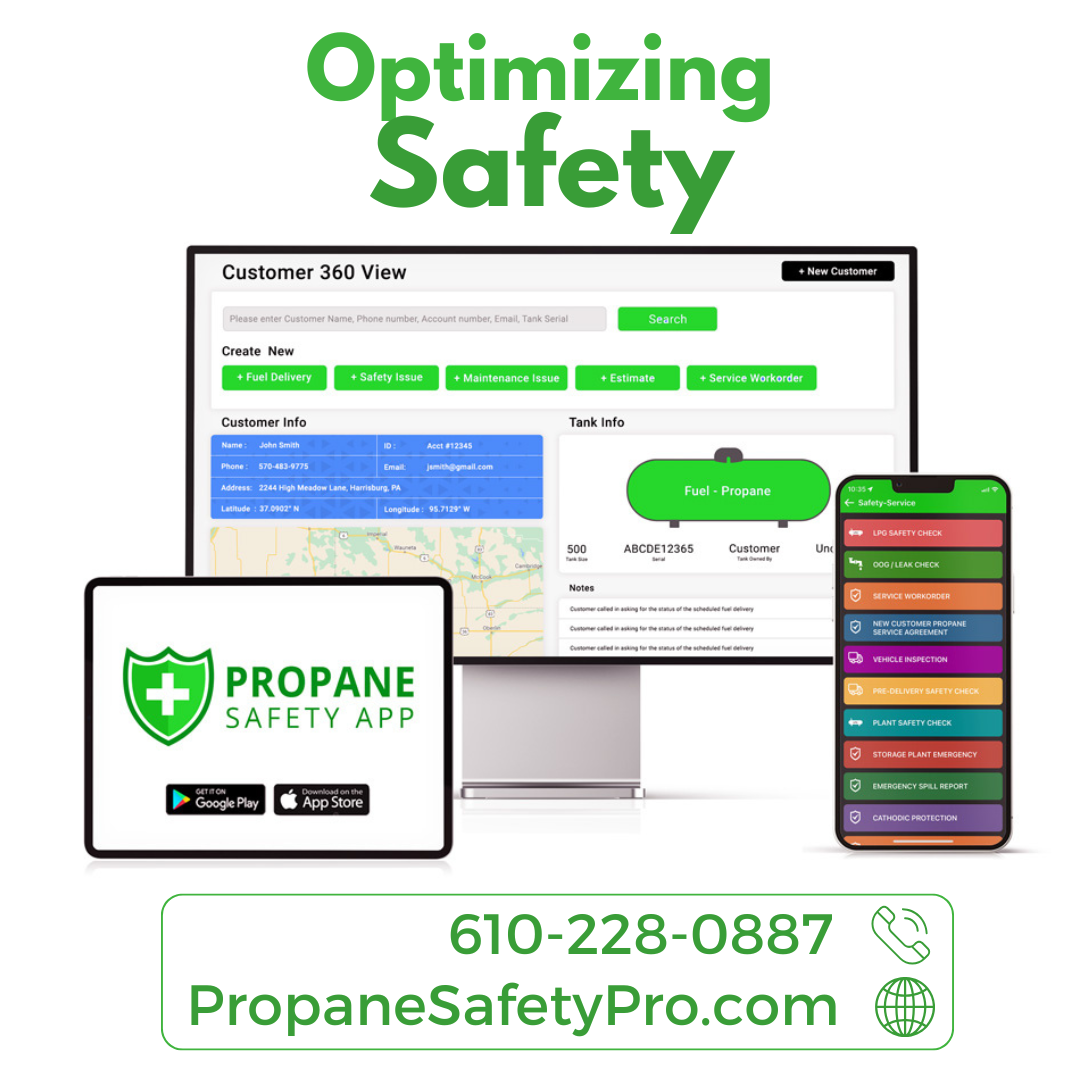
Today’s compliance environment demands greater visibility. Digital platforms allow inspections, maintenance activities, and safety checks to be recorded instantly in the field using smartphones and tablets. Information can be stored securely, organized automatically, and retrieved within seconds rather than hours. For propane marketers managing hundreds or thousands of customer tanks, that level of accessibility can dramatically improve operational efficiency.
Why Documentation Matters More Than Ever
In the propane business, a completed inspection has little value if the documentation cannot be located when needed. Regulators, insurance providers, and legal teams increasingly expect companies to maintain detailed records that demonstrate compliance with safety requirements. Missing paperwork, incomplete records, or inconsistent documentation can create unnecessary risk even when proper procedures were followed.
Digital systems help close those gaps by creating records that are automatically time-stamped and stored. Many platforms can also capture photographs, technician notes, customer signatures, and location data, creating a clear record of field activity. The result is stronger accountability and a more defensible compliance program.
Reducing the Administrative Burden
One of the most overlooked benefits of digital safety management is the impact on office productivity. Many propane companies dedicate significant staff time to organizing paperwork, preparing for audits, searching for records, and manually entering information into multiple systems. As operations grow, those administrative demands can become increasingly difficult to manage.
Digital workflows reduce much of that burden by automating record storage and reporting. Instead of spending days preparing documentation for an audit, managers can often generate reports with only a few clicks. That time savings allows employees to focus on customer service, operational improvements, and business growth rather than paperwork management.
Strengthening Safety Culture Across the Organization
Technology alone does not create a safer workplace, but it can greatly reinforce good habits and improve consistency. When drivers, service technicians, and plant personnel have mobile access to inspections, safety procedures, and training records, compliance becomes part of the daily workflow rather than a separate administrative task.
Managers also gain better visibility into field operations. Trends can be identified sooner, recurring issues can be addressed more quickly, and training opportunities become easier to recognize. For growing propane companies, that visibility can help strengthen safety culture while improving overall performance.
Preparing for the Future of Compliance
The propane industry continues to modernize as customer expectations, regulatory requirements, and operational demands evolve. Companies that continue relying exclusively on paper-based systems may find it increasingly difficult to keep pace with future compliance expectations.
Forward-looking businesses are already evaluating digital tools that support inspections, employee training, service documentation, and safety management. By making these investments now, they position themselves to adapt more easily as industry standards continue to evolve.
Turning Compliance Into a Competitive Advantage
Many propane marketers view compliance merely as a requirement to be met. The most successful companies are beginning to view it as an opportunity to be seized. A strong digital documentation program can demonstrate professionalism to customers, regulators, insurance providers, and prospective employees. It can also reduce operational risk while creating more efficient workflows throughout the organization.
User-friendly platforms such as TankSpotter have emerged to help propane companies manage field documentation, inspections, safety programs, and operational records through smartphone-based workflows. These innovative tools not only support compliance efforts but also help businesses improve efficiency and maintain consistent service standards.
For propane delivery companies, the transition toward digital safety management is becoming less about staying ahead of regulations and more about staying ahead of the competition. Companies that embrace modern documentation systems today will likely be better positioned to navigate tomorrow’s compliance requirements while delivering safer and more efficient operations.