July 14, 2026
PHMSA Compliance Starts Before the First Delivery
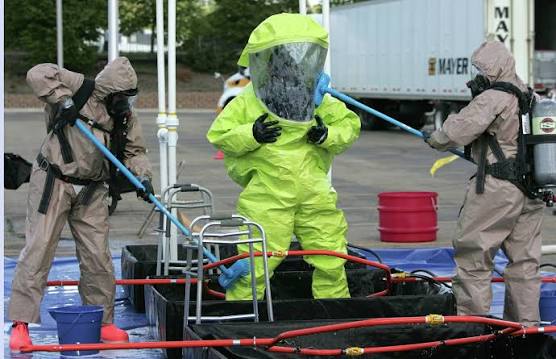
Federal oversight of hazardous materials transportation continues to evolve, and propane marketers are feeling the effects. Recent guidance from the Pipeline and Hazardous Materials Safety Administration (PHMSA) reinforces the importance of strong safety programs, accurate documentation, and consistent compliance throughout propane operations. For companies that transport LP gas, even small mistakes can result in costly violations, operational delays, and increased regulatory attention.
Every Inspection Matters
PHMSA data shows that approximately 5.6% of hazardous materials inspections result in violations. While that means that most inspections end without issue, it also highlights how frequently inspectors identify problems that could have been prevented through better preparation.
Many violations involve issues that are well within a company’s control – including incomplete paperwork, vehicle defects, improper placarding, or failures to follow established operating procedures. These findings can lead to fines, corrective actions, and additional inspections.
Drivers Play a Critical Role
Although the PHMSA’s Distribution Integrity Management Program (DIMP) primarily applies to pipeline operators, the agency’s broader emphasis on risk management and documentation reinforces the importance of disciplined safety practices across the propane industry.
For bobtail drivers and service technicians, that begins with a thorough pre-trip inspection. Hoses, valves, emergency equipment, placards, lighting, tires, and vehicle safety systems should all be inspected before leaving the yard. Delivery paperwork should also be reviewed carefully to ensure that it is complete and matches the vehicle and load. Small discrepancies that seem insignificant during a busy workday can quickly become expensive and problematic during a roadside inspection.
Documentation Is a Key Safety Component
Accurate records are just as important as properly maintained equipment. Inspection reports, delivery documents, training records, and maintenance logs demonstrate that a company is committed to following established procedures and takes compliance seriously. Strong documentation also helps protect propane businesses if questions arise after an inspection or incident.
Building a Culture of Compliance
Regulatory compliance should not be viewed as simply passing inspections. Companies that prioritize routine inspections, ongoing employee training, and consistent documentation have a distinct advantage, as they are better positioned to reduce downtime, avoid enforcement actions, and maintain customer confidence.
In today’s regulatory environment, every successful fuel delivery begins long before the truck reaches the customer’s location. A disciplined pre-trip inspection and careful attention to documentation remain two of the most effective ways to protect employees, customers, and the business itself.