June 19, 2026
DriverDQ Partnership Targets a Growing Compliance Challenge for Propane Fleets
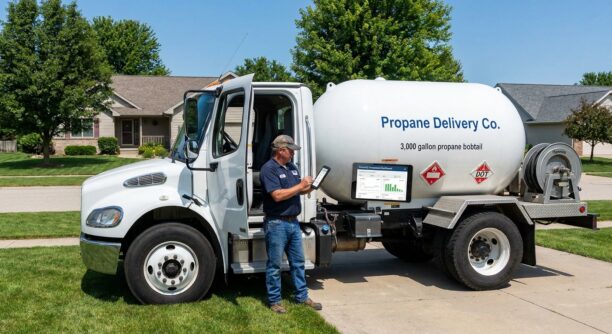
The propane industry’s regulatory burden continues to grow, particularly for companies operating delivery fleets across multiple jurisdictions. Managing driver qualification files, monitoring motor vehicle records, tracking drug testing requirements, and maintaining HAZMAT documentation have become increasingly complex responsibilities for fleet operators. To help address these challenges, the National Propane Gas Association has announced a new affinity partnership with DriverDQ, a compliance platform designed to automate many of the industry’s most time-consuming fleet management tasks.
Compliance Demands Continue to Rise
Propane marketers face ongoing oversight from agencies including the Federal Motor Carrier Safety Administration and the Pipeline and Hazardous Materials Safety Administration. As regulations evolve, maintaining accurate and accessible records has become a critical business function rather than a simple administrative task.
Driver qualification files alone require constant attention. Expiring licenses, medical certifications, drug testing schedules, and HAZMAT endorsements all carry compliance deadlines that can create operational disruptions if overlooked. For many propane companies, especially those with growing fleets, manually tracking these requirements consumes valuable office resources while increasing the risk of costly mistakes.
Bringing Automation to Driver Management
The new partnership introduces a technology-driven approach to compliance management. DriverDQ automates much of the driver qualification lifecycle, providing fleets with centralized recordkeeping, monitoring, and notification capabilities.
Rather than relying on spreadsheets, paper files, and manual reminders, fleet managers can receive alerts when credentials approach expiration. Motor vehicle record monitoring and drug testing administration can also be managed through a single platform, helping companies maintain audit readiness throughout the year rather than scrambling to prepare when inspections occur.
For propane marketers operating across state lines, the ability to manage varying compliance requirements through one system may provide additional operational benefits as regional expansion continues throughout the industry.
Connecting Compliance and Field Operations
The partnership also highlights a broader trend within the propane industry: the movement toward integrated digital operations. Many companies have already adopted technology platforms to manage deliveries, inspections, and field documentation. User-friendly solutions such as TankSpotter allow technicians and drivers to capture safety inspections, maintain documentation, and streamline operational workflows in real time from the field.
When paired with driver compliance systems, companies gain greater visibility across both administrative and operational functions. This type of integration can help eliminate duplicate data entry, reduce paperwork, and create a more complete picture of fleet performance and regulatory compliance.
Why It Matters
Compliance has traditionally been viewed as a necessary cost of doing business. Increasingly, however, propane marketers are recognizing that strong compliance systems can also support profitability. Reducing administrative workloads allows office staff to focus on customer service and operational planning. Better visibility into driver qualifications helps prevent disruptions caused by expired credentials. Consistent documentation can also reduce exposure during audits, investigations, and insurance reviews.
As regulatory expectations continue to increase, propane companies that embrace automation may find themselves spending less time managing paperwork and more time focusing on growth, customer retention, and operational efficiency. The DriverDQ partnership reflects a larger industry shift toward digital compliance management. For propane marketers looking to modernize fleet operations, the ability to combine driver qualification management with field-service technologies will become an increasingly important advantage going forward.