Dashboards Over Debates: Shortening Business Meetings

In propane operations, long meetings are rarely a people problem; they’re actually an information problem. When managers walk into a room armed with spreadsheets, anecdotes, and last week’s printouts, discussions often drift into debate. Time gets burned reconciling whose numbers are right instead of deciding what to do next. That inefficiency has a cost. Meetings pull supervisors off the road, delay dispatch decisions, and slow responses to safety or compliance risks. The fastest way to shorten meetings isn’t better facilitation or stricter agendas. It’s shared, operational dashboards that put the same facts in front of everyone, in real time, so discussions move directly to decisions.
When Meetings Turn Into Data Arbitration
Most propane meetings run long because they start with disagreement about reality. One manager is looking at delivery counts. Another is focused on overtime hours. A third is worried about run-outs based on yesterday’s calls. None of these views is wrong, but they’re incomplete when held in isolation.
Without a common operational dashboard, meetings become informal audits. Dispatch argues with the service. Operations debates accounting. Safety issues get postponed because the numbers aren’t “final yet.” This dynamic increases risk. Delayed decisions around routing, tank monitoring exceptions, or driver utilization don’t just affect margins; they raise exposure to service failures, compliance misses, and insurance claims tied to preventable incidents.
Dashboards as Decision Filters, Not Reporting Tools
The mistake many companies make is treating dashboards as reporting artifacts instead of decision filters. A useful operational dashboard is not a wall of KPIs. Rather, it’s a curated set of indicators tied to actions the team is authorized to take.
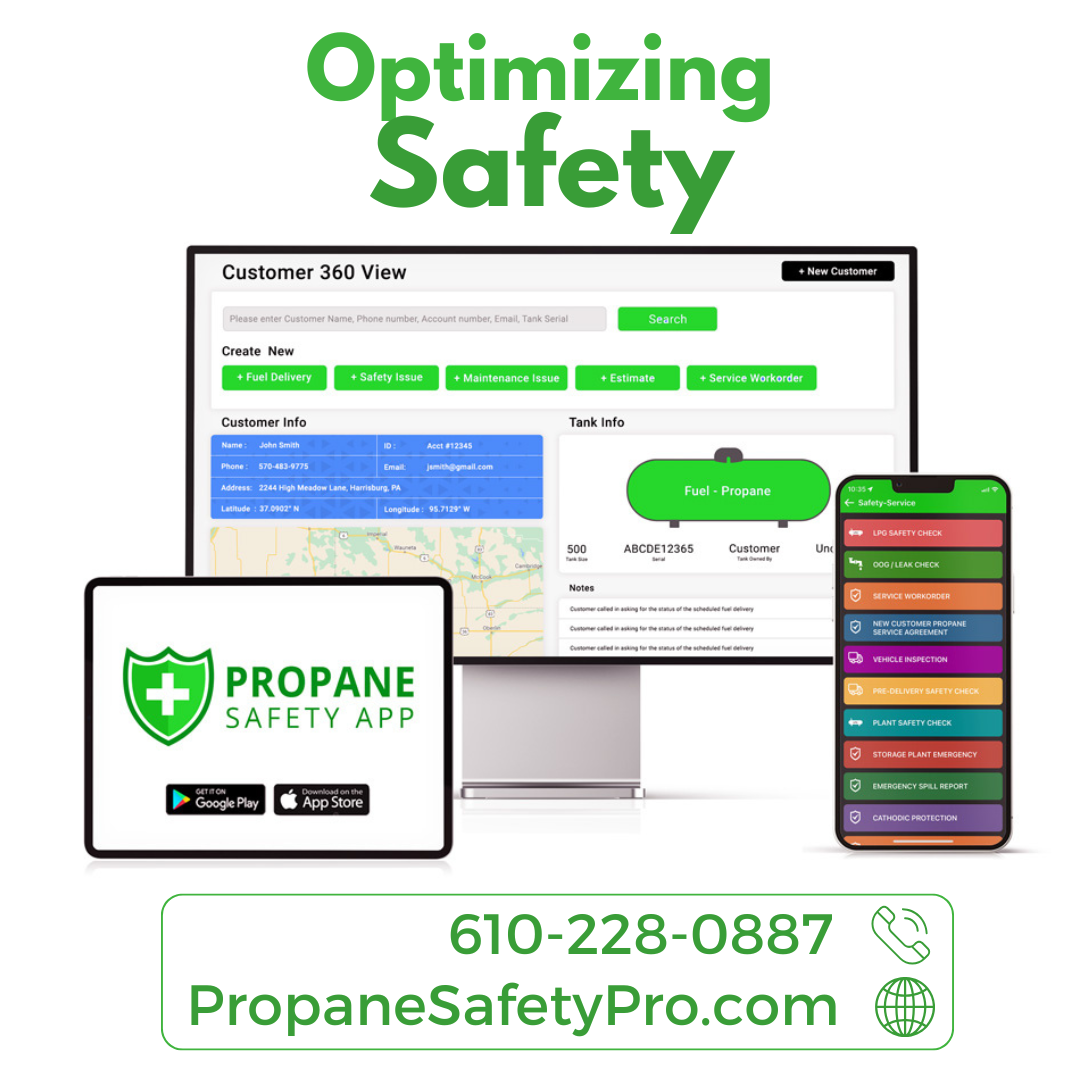
For example, a dispatch-focused dashboard should resolve questions like whether to rebalance routes today, authorize overtime, or defer non-critical service calls. A safety or compliance dashboard should immediately show whether inspections, leak checks, or cathodic protection readings are trending toward non-compliance. When these dashboards are visible before the meeting starts, the discussion skips the explanation phase and moves straight to the choice.
This approach also changes the status of accountability across a company’s team. When everyone sees the same data, arguments tend to shift from “my numbers versus yours” to “are we comfortable with this risk?”
Shorter Meetings Reduce Operational Drag
There is a direct operational benefit to shorter, decision-driven meetings. Supervisors return to the field faster. Dispatch decisions get made earlier in the day. Customer communication improves because teams aren’t waiting on internal alignment. Over time, this discipline compounds. Companies with strong dashboard-driven meetings tend to identify problems earlier – rising overtime, shrinking delivery windows, and increasing service backlogs – before they trigger customer complaints or safety events.
From an insurance and liability standpoint, documented use of operational dashboards also strengthens the company’s position. It demonstrates structured oversight, consistent monitoring, and timely decision-making, all of which matter when incidents are reviewed after the fact.
What to Do This Quarter
Start small and operational, not enterprise-wide. First, define the decisions that repeatedly stall your meetings such as route changes, staffing adjustments, service prioritization, or safety follow-ups. Second, build one dashboard per decision category with no more than six metrics, all refreshed daily or in real time. Third, distribute dashboards before meetings and make it explicit that meetings are for deciding, not explaining numbers. Finally, document decisions and tie them back to the dashboard snapshot used, creating a simple audit trail for operations and risk management.
The Long View
Meetings don’t get shorter because people talk less; they get shorter because uncertainty disappears. Operational dashboards create a shared version of reality that lets experienced propane professionals apply judgment instead of defending data. Over time, this discipline reshapes a company’s corporate culture. Teams become faster, calmer, and more decisive. The payoff isn’t just reclaimed hours on the calendar. It’s seen in tighter operations, lower risk exposure, and a business that makes decisions based on facts before problems grow and become expensive.