May 1, 2026
Choosing Between Propane Tank Swapping and Refilling
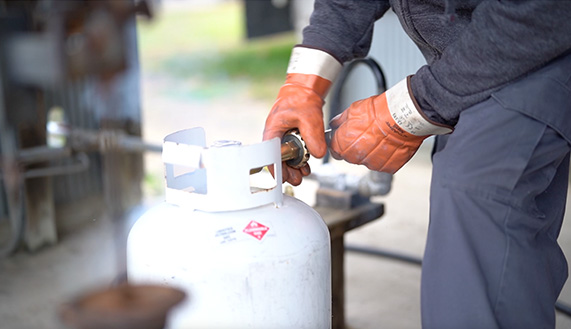
Every propane company faces an important question: should you focus more on tank refilling or swapping? Both methods serve the same purpose – keeping customers supplied with fuel – but they take different routes to get there. Choosing the right approach can impact your profits, customer loyalty, and daily operations. The answer often depends on how your business is set up and what your customers value most.
Propane is a dependable energy source for homes, farms, and businesses, and convenience often drives how people buy it. Some prefer the speed of swapping tanks at retail locations, while others value the cost savings and control of refilling. As a propane business owner, it’s worth looking deeper into both sides to see which option fits your goals best or if a mix of both could help you serve customers better.
The Case for Propane Tank Swapping
Tank swapping offers a fast and simple solution for customers who want immediate access to propane without waiting for refills. It’s commonly used for smaller cylinders, like those for grills, campers, and patio heaters. Customers exchange an empty tank for a full one at retail stations or convenience stores, making the process easy and predictable.
For propane companies, swapping programs can create strong brand visibility and expand their reach without needing customers to visit a specific refilling site. With a network of retail partners or automated kiosks, you can move more fuel while building a recognizable brand across various communities.
However, setting up a swapping system takes time and careful planning. You need a reliable supply chain, strong safety standards, and proper storage for filled and empty tanks. Maintaining good cylinder quality and meeting inspection standards also adds to your operational costs. But for companies that can manage these logistics efficiently, swapping tanks offers steady volume and recurring income, especially in busy retail locations.
The Case for Propane Tank Refilling
Tank refilling focuses more on direct service and customer loyalty. It allows customers to bring in their own tanks and pay only for the propane they need. This approach is often seen as more cost-effective for customers and offers a personal connection between the company and the community.
For businesses, refilling can provide better profit margins per gallon, since you’re selling fuel directly without the extra packaging, transport, or cylinder exchange costs. You also maintain control over your inventory and safety standards, thereby ensuring that every tank meets your company’s standards.
Refilling stations, however, require consistent staffing, space, and safety monitoring. Weather, staffing shortages, or seasonal demand can affect operations. Despite those challenges, refilling helps build long-term relationships. Customers who trust your service often return and recommend your business to others.
Comparing Costs and Efficiency
When comparing both options, consider more than just about convenience. Think about cost, logistics, and how you want to grow. Tank swapping provides higher volume through multiple points of sale, but it comes with upfront expenses for cylinder management, branding, and distribution. Tank refilling, on the other hand, keeps operations more centralized and personal, but limits your reach to just the customers who visit your location.
Some propane companies find success by offering both. Refilling maintains loyal customers and steady income, while swapping expands market presence and attracts new buyers. The balance between the two depends on your capacity, resources, and regional demand.
How This Impacts You
Your decision between swapping and refilling shapes how your business grows and how customers see your brand. Swapping focuses on speed and convenience and is great for expanding your footprint. Refilling focuses on trust and personal service and is ideal for building lasting customer relationships.
Both options have strong potential when managed well. Whether you invest in new swap stations or improve your refill process, the key is to keep operations safe, reliable, and customer-focused. When your propane business adapts to how people prefer to buy fuel, you strengthen both your bottom line and your reputation in the market.
Propane tank swapping and refilling aren’t just two ways to sell fuel; they’re two smart strategies for growth. Choosing the right one, or finding the right balance, will go a long way in helping your business stay efficient, competitive, and ready to meet every customer’s fuel needs.