July 14, 2026
The Hidden Cost of Skipping Bobtail Maintenance
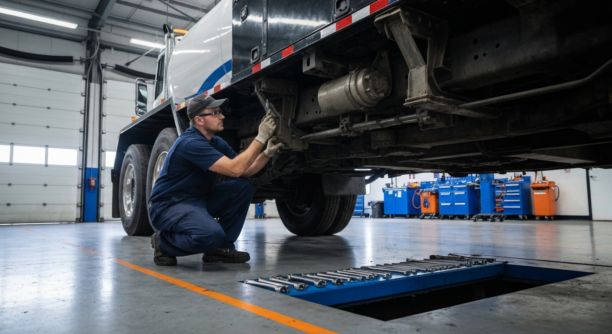
Every propane marketer budgets for fleet maintenance, but not every company realizes how expensive deferred maintenance can become. A delayed service appointment or overlooked repair may seem like a way to save money today, yet the long-term costs often show up elsewhere – in higher fuel consumption, unexpected breakdowns, driver frustration, and lost revenue. For propane companies, preventive maintenance is more than simply keeping trucks on the road; it’s an investment in operational efficiency, safety, and profitability.
Small Problems Rarely Stay Small
Routine maintenance is designed to catch issues before they become expensive repairs. A worn brake component, low fluid level, or tire showing uneven wear can often be corrected quickly during scheduled service. When these issues are ignored, they frequently lead to larger mechanical failures that require more extensive repairs and longer periods of downtime. During the heating season, even one bobtail sitting in the shop can disrupt delivery schedules, increase overtime costs, and force dispatchers to reshuffle routes. The financial impact extends well beyond the repair invoice.
Fuel Efficiency Depends on Vehicle Health
Fleet operating costs are heavily influenced by fuel consumption, and vehicle condition plays an important role in overall efficiency. Engines that are properly serviced, tires maintained at the correct pressure, and components operating as designed generally consume less fuel than equipment that has gone too long without maintenance. Across an entire fleet, even modest improvements in fuel efficiency can produce meaningful savings over the course of a year. Monitoring maintenance records alongside fuel usage can also help identify developing mechanical issues before they become major failures.
Reliable Equipment Helps Retain Drivers
Drivers notice the condition of the equipment they operate every day. A truck with recurring mechanical problems, faulty gauges, poor air conditioning, or unresolved safety concerns can quickly become a source of frustration. Conversely, reliable, well-maintained equipment demonstrates that the company values both safety and its employees. In an industry where recruiting qualified CDL drivers remains challenging, maintaining dependable vehicles can contribute to higher driver satisfaction and lower turnover.
Maintenance Supports Compliance
Preventive maintenance also plays a critical role in regulatory compliance. Routine inspections, documented repairs, and scheduled servicing help propane companies meet federal vehicle safety requirements while reducing the risk of violations during roadside inspections. Thorough maintenance records can also demonstrate that the company exercised due diligence if equipment performance is ever questioned following an incident. Strong documentation is just as important as the repairs themselves.
A Long-Term Investment
Bobtail trucks represent one of the largest capital investments made by propane companies. Extending the useful life of those vehicles through consistent and thorough maintenance helps delay replacement costs while improving fleet reliability. Companies that combine scheduled preventive maintenance with thorough driver pre-trip and post-trip inspections are often able to identify problems earlier, reduce emergency repairs, and keep more trucks available for use during periods of peak demand.
Building a More Reliable Operation
Preventive maintenance is sometimes viewed as an undesirable expense, but in reality it is one of the most effective ways to control operating costs. Reliable equipment improves delivery performance, supports regulatory compliance, strengthens driver confidence, and helps avoid costly service interruptions. For propane marketers focused on long-term growth, a disciplined maintenance program isn’t simply about fixing trucks; it’s about protecting one of the company’s most valuable assets while ensuring that customers receive dependable service throughout the year.