
July 14, 2026
Early Crop Progress Could Mean an Earlier Start to Propane Drying Season
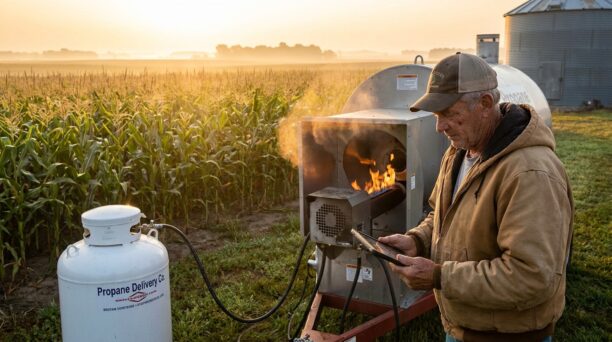
The latest crop progress report from the U.S. Department of Agriculture offers more than an update on this year’s growing season. For propane retailers serving agricultural customers, it provides an early indication of when demand for grain drying propane could begin to increase. As corn and soybean crops continue developing ahead of schedule in parts of the Midwest, propane marketers may have an opportunity to prepare inventory, schedule equipment, and strengthen customer communication before harvest activity accelerates.
Crop Development Is Moving Ahead
According to the USDA’s weekly report, much of the nation’s corn crop has entered the silking stage, while soybean emergence is progressing faster than the same period last year in many growing regions. Although the weather over the coming months will ultimately determine harvest conditions, strong early crop development often signals that growers will soon begin planning for grain drying and other post-harvest activities. For propane suppliers, those conversations frequently begin well before combines enter the fields.
Grain Drying Can Drive Seasonal Demand
Grain drying remains one of propane’s largest agricultural applications. When harvested corn contains excess moisture, producers rely on propane-powered dryers to reduce moisture content before long-term storage. The timing and intensity of drying demand greatly depend on the weather conditions throughout late summer and fall.
However, retailers that monitor crop development throughout the growing season are often better positioned to anticipate their agricultural customers’ needs and prepare for increased deliveries. Early planning can also help reduce supply challenges during periods of heavy regional demand.
Planning Ahead Benefits Everyone
Agricultural customers frequently begin discussing their fuel needs weeks before harvest. Propane marketers that reach out early can confirm expected gallon requirements, inspect tanks and equipment, schedule deliveries, and identify any maintenance issues before the busiest weeks of the season.
These conversations also provide an opportunity to review safety procedures and ensure that their customers have adequate storage capacity for anticipated fuel use. For retailers, proactive planning helps improve delivery efficiency while reducing the likelihood of emergency deliveries during peak harvest periods.
Inventory Management Remains Critical
Seasonal demand can increase quickly when favorable harvest conditions arrive across multiple states at the same time. Companies that regularly monitor crop reports alongside wholesale propane markets are often in a stronger position to make purchasing decisions, manage storage capacity, and coordinate transportation before regional demand intensifies. Preparing early can also help minimize operational disruptions if weather compresses the harvest window into a shorter period of time than expected.
Setting the Stage for Success
No crop report can predict exactly how the harvest season will unfold, but early agricultural data provides valuable insight for propane marketers serving farming communities. By following crop development throughout the summer, communicating with agricultural customers in advance, and preparing inventory before demand peaks, propane retailers can improve service levels while positioning their operations for a successful grain drying season.