July 10, 2026
More Tanks, Fewer Run-Outs: How Tech Busts a Dispatching Myth
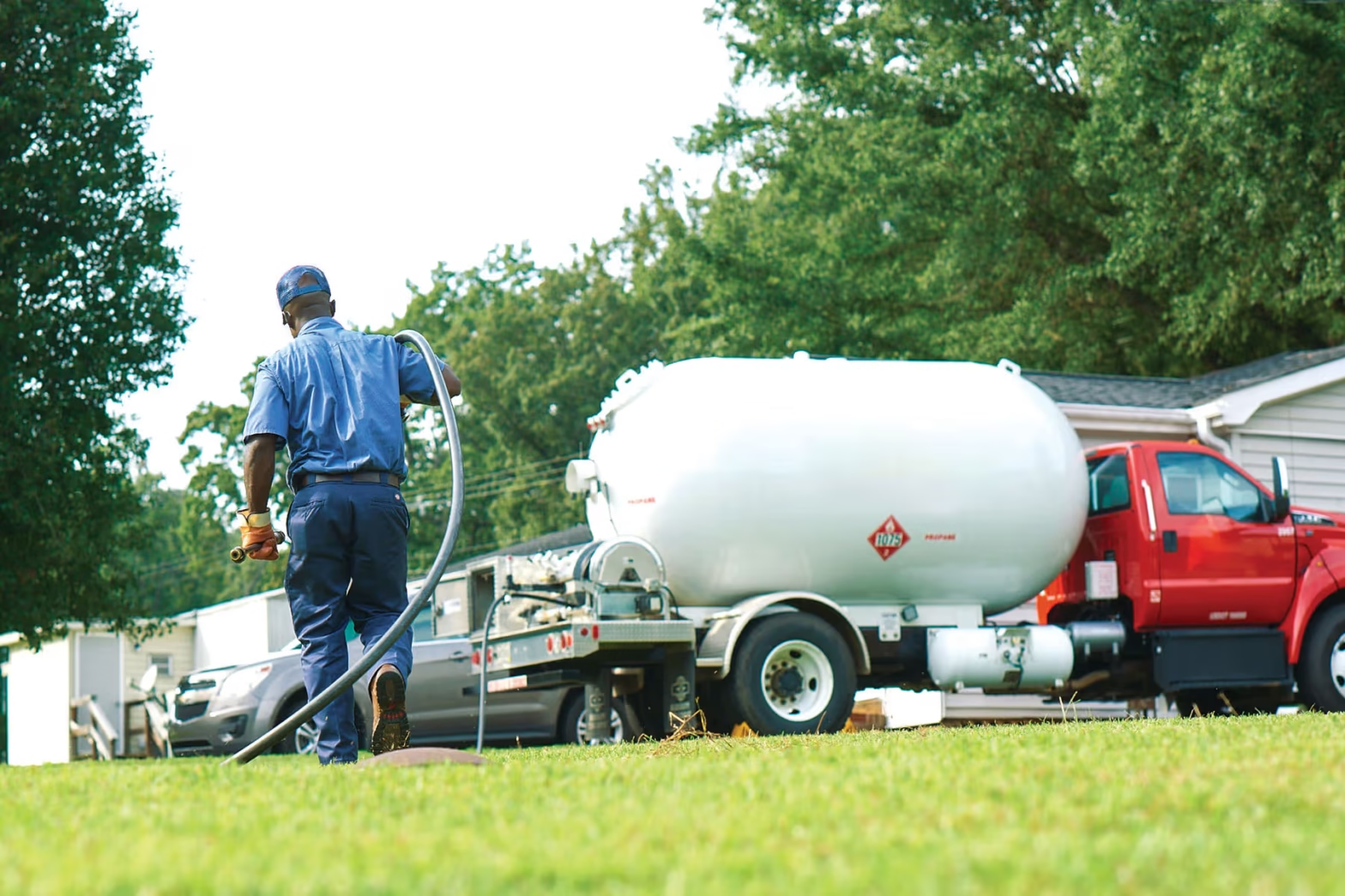
Growing a propane customer base has traditionally come with a familiar concern: more tanks mean more opportunities for run-outs, emergency deliveries, and dispatching headaches. For years, many retailers viewed expansion as a balancing act between gaining new accounts and maintaining dependable service. Today’s dispatching technology is changing that equation.
A Proactive Approach
Modern propane operations no longer rely solely on degree-day calculations, handwritten notes, or historical delivery schedules to determine when customers need fuel. Tank monitoring systems, predictive analytics, and advanced routing platforms now provide dispatchers with a clearer picture of customer consumption, allowing deliveries to be scheduled based on actual usage rather than estimates alone.
The result is a more proactive approach to fleet management. Instead of responding to low-tank calls after they occur, dispatch teams can now identify customers who will require deliveries before they approach critical levels. This greatly improves planning, reduces unnecessary truck rolls, and helps maintain more consistent service throughout the year, especially during the busiest season.
An Operational Advantage
Higher customer density can also become an operational advantage. When dispatchers have accurate visibility into tank levels across a service territory, deliveries can be grouped more efficiently, thereby creating shorter routes with fewer miles between stops. Trucks spend less time traveling and more time making deliveries, improving overall productivity without sacrificing customer service.
Predictive analytics add another layer of value by combining historical consumption patterns with weather forecasts, tank size, and seasonal demand trends. Rather than relying on broad assumptions, dispatchers can prioritize deliveries based on each customer’s expected fuel usage, making route planning more accurate during both routine operations and periods of peak demand.
These improvements extend beyond mere logistics. Reducing emergency deliveries lowers fuel consumption, overtime costs, and vehicle wear while helping fuel companies maintain stronger customer relationships. Fewer run-outs also mean fewer after-hours service calls and less disruption for dispatchers and drivers alike.
A Solid Path to Growth
As propane marketers continue investing in digital operations, dispatching is becoming less about reacting to problems and more about preventing them. Companies that integrate tank monitoring and data-driven routing into their daily operations are discovering that they can support continued customer growth without placing additional strain on their delivery teams.
The long-held belief that more tanks automatically create more run-outs is giving way to a different reality. With the right technology and accurate data, expanding a customer base can actually improve route efficiency, strengthen service reliability, and position propane retailers for sustainable long-term growth.