
July 10, 2026
National Propane Price Averages Tell Only Part of the Story
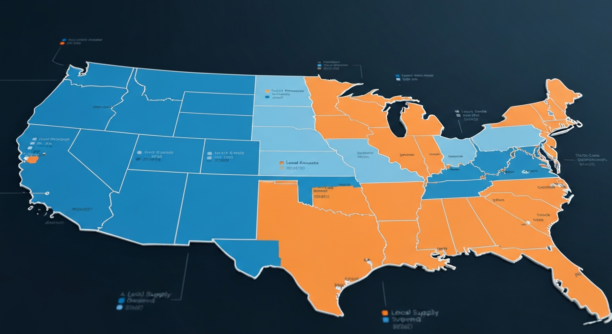
Regional market conditions continue to create significant cost differences for propane retailers across the country
National propane pricing often dominates industry headlines, but for many marketers and distributors, local market conditions have a much greater impact on profitability than any national average ever could. Recent residential propane pricing data illustrates the challenge. While national averages suggest a relatively stable market, regional price differences continue to create vastly different operating environments for propane businesses from one state to the next. For owners managing purchasing decisions, customer pricing, and supply planning, understanding those regional dynamics has become increasingly important.
Why National Averages Can Be Misleading
National propane price reports provide a useful snapshot of overall market conditions, but they rarely capture the realities facing individual propane companies. A national residential propane average of approximately $2.67 per gallon may indicate broad market stability, yet actual prices can vary dramatically depending on location. In some regions, propane remains relatively inexpensive due to strong infrastructure, abundant supply access, and favorable transportation networks. In others, limited supply options and logistical challenges can push prices substantially higher. For propane retailers, those regional differences often have a greater influence on margins than national inventory figures or broad market forecasts.
Local Factors Continue to Drive Pricing
Propane pricing is influenced by far more than overall supply levels. Transportation networks, storage capacity, pipeline access, weather conditions, export activity, and local demand patterns all contribute to the final cost marketers pay at the rack. A region with healthy propane inventories can still experience price pressure if transportation bottlenecks restrict product movement. Likewise, areas with strong infrastructure and multiple supply options may maintain stable pricing even when broader markets experience volatility.
This reality has become increasingly apparent in recent years as supply chain disruptions, weather events, and transportation challenges have periodically created localized market stress despite comfortable national inventory levels. For propane companies serving rural areas, understanding these local conditions is often the difference between protecting margins and absorbing unexpected costs.
Margin Management Starts with Market Awareness
Small shifts in wholesale propane costs can have a meaningful impact on profitability. A few cents per gallon may seem insignificant, but when multiplied across thousands of gallons, the financial impact becomes substantial.
Successful marketers are increasingly focusing on regional intelligence rather than relying solely on national market reports. Monitoring local rack prices, transportation trends, infrastructure developments, and weather forecasts allows businesses to make more informed purchasing decisions and adjust pricing strategies before market conditions change. This proactive approach can help companies avoid margin compression while maintaining competitive pricing for customers.
Building a More Resilient Supply Strategy
As regional volatility continues to influence propane markets, many distributors are reevaluating supply strategies to reduce risk. Diversifying supply sources, strengthening supplier relationships, and maintaining flexibility in purchasing decisions can help companies navigate unexpected disruptions. Storage capacity also plays an important role, allowing marketers to capitalize on favorable pricing opportunities when they arise.
Technology is also becoming an increasingly valuable tool in this effort. User-friendly digital platforms such as TankSpotter do much to help propane companies improve visibility across deliveries, inspections, and field operations, creating efficiencies that help offset market fluctuations and rising operating costs.
Looking Beyond the Headlines
The propane industry has always been shaped by regional realities. While national pricing data remains an important benchmark, successful propane businesses recognize that local market conditions ultimately determine their costs, margins, and opportunities.
As the industry moves through another season of changing demand patterns and evolving supply dynamics, marketers who closely monitor regional trends will be better positioned to make strategic purchasing decisions, protect profitability, and deliver consistent value to customers. In today’s propane market, understanding what is happening in your own backyard may be far more valuable than following the national average.