July 10, 2026
When Should an ASME Propane Tank Be Refurbished Instead of Replaced?
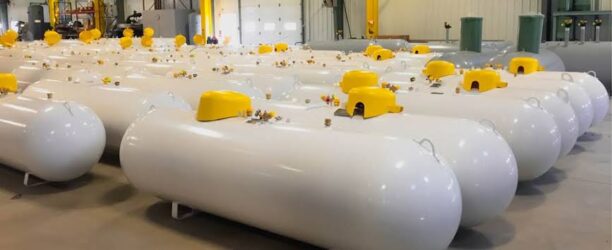
Older propane tanks are a common sight across the industry, and many continue to provide safe, reliable service decades after their installation. As replacement costs continue to rise, service technicians are increasingly faced with an important question: Can this tank be refurbished, or has it reached the end of its service life? The answer to that critical question depends on much more than just the tank’s age. A careful inspection of its structural condition, service history, and installed components is far more important than the year it was manufactured.
Age Alone Doesn’t Determine a Tank’s Condition
An ASME propane tank built in the 1980s or even earlier isn’t automatically a candidate for replacement. Many tanks remain in excellent condition because they have been properly installed, protected from corrosion, and well-maintained throughout their lives.
Experienced technicians know that appearance can be deceiving. Surface rust and faded paint often make a tank look worse than it is, while a freshly painted tank can still hide serious structural problems beneath its surface. That’s why every inspection should focus first on the condition of the pressure vessel itself.
Know the Difference Between Cosmetic and Structural Damage
Light surface corrosion of a propane tank is often repairable; fixing that can do much to help salvage a tank that still has lots of life left in it. Cleaning the exterior, treating rust, and then applying a new protective coating can help prevent further deterioration and extend the life of the tank.
Structural damage is another matter entirely. Deep pitting, severe corrosion around welds, damage to the tank heads, compromised mounting legs, or signs of deformation should all receive careful evaluation. These conditions may affect the integrity of the pressure vessel and can require the tank to be removed from service rather than repaired. Previous impact damage, ground movement, or evidence that the tank has shifted significantly over time should also be considered during the inspection.
Component Upgrades Can Extend Service Life
Many older ASME tanks remain structurally sound even though some of their components have reached the end of their useful life. Replacing aging regulators, pressure relief valves, gauges, pigtails, or other appurtenances can restore reliability while allowing the original tank to remain safely in service.
These upgrades are often significantly less expensive than replacing an entire tank and can improve both performance and safety. Every replacement should follow current manufacturer recommendations, company procedures, industry guidelines, and applicable code requirements.
Safety Standards Should Drive Every Decision
Refurbishment should never be viewed as a way to postpone replacing a tank that is no longer safe to use. Service technicians should follow company inspection procedures along with the requirements of NFPA 58, which provides guidance for the inspection, maintenance, and continued service of LP-Gas systems and containers.
When there is evidence that a pressure vessel has been structurally compromised, replacement is generally the safest and most appropriate course of action. Documenting inspection findings, repairs, and component replacements also creates a valuable maintenance history that supports future service decisions and regulatory compliance.
A Smart Investment Starts with a Thorough Inspection
With replacement costs remaining high, extending the life of serviceable tanks can provide meaningful savings for propane marketers. However, those savings should never come at the expense of safety. Well-trained service technicians who can distinguish between cosmetic deterioration and structural damage can go a long way in helping companies make sound decisions in the field.
Refurbishing tanks that remain in good condition can maximize asset life and reduce unnecessary capital expenses, while identifying tanks that truly need replacement serves to protect customers, employees, and the business from avoidable risk. Knowing where to draw that line remains one of the most valuable skills a propane service technician can develop.