June 23, 2026
CETP Certification Management Is Evolving From Recordkeeping To Risk Control

CETP certification tracking has shifted from a routine administrative task into a core component of operational risk management. For propane safety managers, the challenge is no longer simply maintaining records, but ensuring continuous, verifiable compliance across an increasingly mobile workforce. When documentation gaps occur, the exposure is not merely administrative – it is operational, regulatory, and financial.
In propane operations, certification compliance is tightly linked to field safety, regulatory readiness, and insurance oversight. CETP credentials are often current in practice, yet gaps can emerge when tracking systems are fragmented across numerous spreadsheets, emails, and manual reminders.
The operational risk is not theoretical. A single missed renewal or unverified credential during an audit or incident investigation can raise questions about training consistency across the entire organization. As fleets expand and technicians rotate across various service territories, maintaining a unified compliance picture becomes increasingly complex.
Certification Validity And Operational Exposure
CETP certification is designed to confirm that technicians and drivers understand propane handling fundamentals, safety procedures, and regulatory expectations under NFPA 58-aligned practices. In practice, certification status becomes a proxy for training integrity across an organization.
When documentation is incomplete or outdated, companies may face challenges demonstrating compliance history during regulatory reviews or incident investigations. This does not imply unsafe operations, but it does create avoidable exposure when proof of training is required under scrutiny.
Recent propane industry incidents involving cylinder leaks and residential fires have reinforced how closely regulators and insurers examine training records after an event. In those critical moments, operational discipline is measured not only by what teams know and do, but by what can be documented.
From Administrative Tracking To Real-Time Visibility
Most propane organizations already maintain certification records in some form. The gap is rarely awareness; rather, it is visibility. As teams scale, manual systems can make it difficult to maintain a real-time understanding of who is fully compliant across all roles and locations.
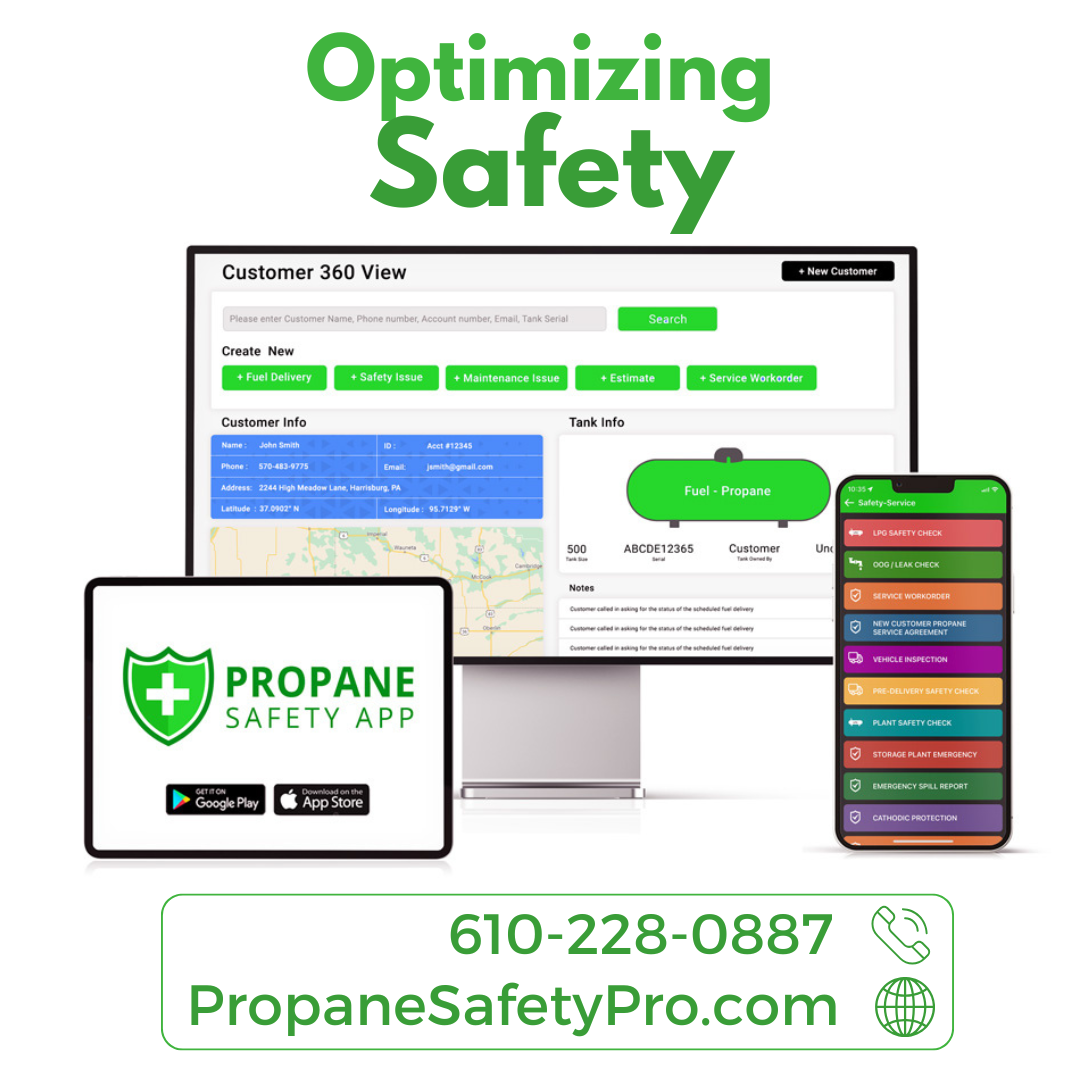
The shift underway in the propane industry is toward centralized systems that provide continuous visibility into certification status. These systems reduce heavy reliance on individual reminders and instead create a shared operational view of compliance readiness across dispatch, safety, and management teams. This evolution is less about replacing existing processes and more about reducing uncertainty when schedules change, personnel rotates, or audits occur with little notice.
Business Benefits
Certification management has direct implications for both operational continuity and risk exposure. Lapsed or unverified credentials can create delays during inspections, complicate post-incident reporting, and increase administrative burden during regulatory reviews.
From an insurance perspective, consistent documentation of training is often a key factor in demonstrating due diligence. While outcomes vary by carrier and risk profile, incomplete records can limit an organization’s ability to clearly substantiate its safety program during underwriting or claims review. Operationally, stronger certification visibility reduces last-minute scrambling during audits and helps leadership maintain confidence that field teams are fully qualified for their assigned tasks.
Looking Ahead
CETP certification is not only a regulatory requirement but a foundational element of workforce readiness in propane operations. Maintaining accurate, current records supports both day-to-day efficiency and long-term risk mitigation.
Manual tracking methods can function adequately at small scale, but they often become less reliable as teams grow or become more geographically distributed. Centralized visibility helps align safety, dispatch, and compliance functions around a single source of truth. Strong certification management practices strengthen audit readiness, support insurance discussions, and reinforce overall safety culture without adding operational friction when properly implemented.
Recommendations for Retailers
Organizations reviewing their CETP management approach often begin by assessing how certification data moves between field teams and administrative oversight. The goal is not to add complexity, but to ensure accuracy and accessibility when it matters most.
Many operators also align certification reviews with scheduled safety meetings or seasonal readiness planning, ensuring training status is evaluated alongside operational readiness rather than in isolation. Where appropriate, digital compliance systems are being evaluated as a way to reduce administrative workload and improve visibility across teams, particularly in multi-location operations.
A Competitive Advantage
Companies that maintain consistent, verifiable training records are better positioned to respond confidently during audits, inspections, and incident reviews. Over time, this consistency supports stronger insurer relationships, smoother regulatory interactions, and improved internal coordination between safety and operations teams.
In a heavily regulated environment such as the propane sector where expectations continue to tighten, solid and consistent certification management is increasingly viewed not as a back-office function, but as a critical component of a propane company’s operational backbone.