June 19, 2026
Residential Propane Customers Start and End With One Thing: Your CSR Team

Why Frontline Conversations Matter More Than Ever
In residential propane operations, most customer relationships are not shaped by marketing campaigns or pricing sheets. They are shaped by phone calls. Customer Service Representatives (CSRs) sit at the center of that reality. Every day, they handle questions about pricing, delivery timing, account status, and comparisons with other energy sources. In many cases, they are also the first point of contact when frustration starts to build. The way those conversations are handled often determines whether a customer stays, switches providers, or escalates an issue.
Price Questions Are Really Value Conversations
When customers call about propane pricing, they are rarely just asking for a number. They are trying to understand whether they are paying too much compared to natural gas or electricity, and whether propane is still a smart choice. This is where CSRs can make a meaningful difference. A clear explanation of propane’s value helps shift the conversation away from short-term price comparisons and toward long-term performance. Many homeowners do not fully factor in reliability, energy efficiency, or the cost of infrastructure when comparing fuels options.
Propane’s independence from the electrical grid is also an important part of that value story. During outages or severe weather, many households rely on propane for heating, cooking, and backup power when other systems fail. When CSRs are confident in explaining these important points, price objections often become easier to manage and less likely to escalate.
Delivery Expectations Shape Customer Satisfaction
Few issues create more service calls than delivery timing, especially for will-call customers who wait until their tank levels are low. These conversations are not just about scheduling. They are opportunities to reset expectations and explain the difference between will-call service and automatic delivery programs. Many customers are unaware that delivery models directly affect both pricing and service reliability.
Automatic delivery programs, especially those supported by usage tracking and degree-day monitoring, greatly reduce the risk of run-outs and emergency calls. For customers, that often translates into fewer surprises and greater peace of mind. For CSRs, clearly explaining how these systems work can reduce repeat calls and encourage more customers to enroll in structured delivery programs.
Electrification Questions Require Clarity, Not Debate
As electrification becomes more common in public policy discussions and consumer marketing, CSRs are increasingly fielding questions about switching to electric heat pumps or other alternatives. These conversations are most effective when they remain practical rather than argumentative. Customers should feel heard, but also guided with clear information about real world performance.
In colder climates, propane continues to provide consistent heating performance when demand is highest. Conversion to electric systems can also involve significant upfront costs, equipment changes, and infrastructure considerations that customers may not initially factor into their decision. When CSRs are prepared with balanced, factual responses, they can help customers make informed decisions without escalating concerns or creating uncertainty about service reliability.
Service Calls Have a Direct Impact on Retention
Every unresolved customer interaction carries a cost. It may show up as repeat calls, longer handling times, or eventually, customer churn. On the other hand, well-managed conversations can strengthen loyalty. When customers feel heard and understood and receive clear, confident answers, they are more likely to stay with their provider even when prices fluctuate. For propane companies, this makes CSR training more than an operational task. Rather, it becomes a retention strategy.
Training Creates Consistency Across Every Call
One of the most effective ways to improve customer service performance is consistency. When CSRs deliver different answers to the same question, customers lose confidence in that business. Regular training sessions help align messaging around common topics such as pricing explanations, delivery programs, and service policies. Even short weekly discussions can help teams stay updated on recurring customer concerns and refine how they respond. Role-playing difficult conversations is another practical way to build confidence among your team. This proactive practice will prepare CSRs to handle frustration without losing clarity or control of the conversation.
Turning Customer Service Into a Smart Sales Strategy
In competitive propane markets, customers often assume most providers offer similar pricing and delivery services. What frequently separates various companies from one another is the quality of their support experience. A knowledgeable CSR team reduces frustration, improves retention, and increases the likelihood of referrals. It also helps prevent small issues from becoming larger operational problems.
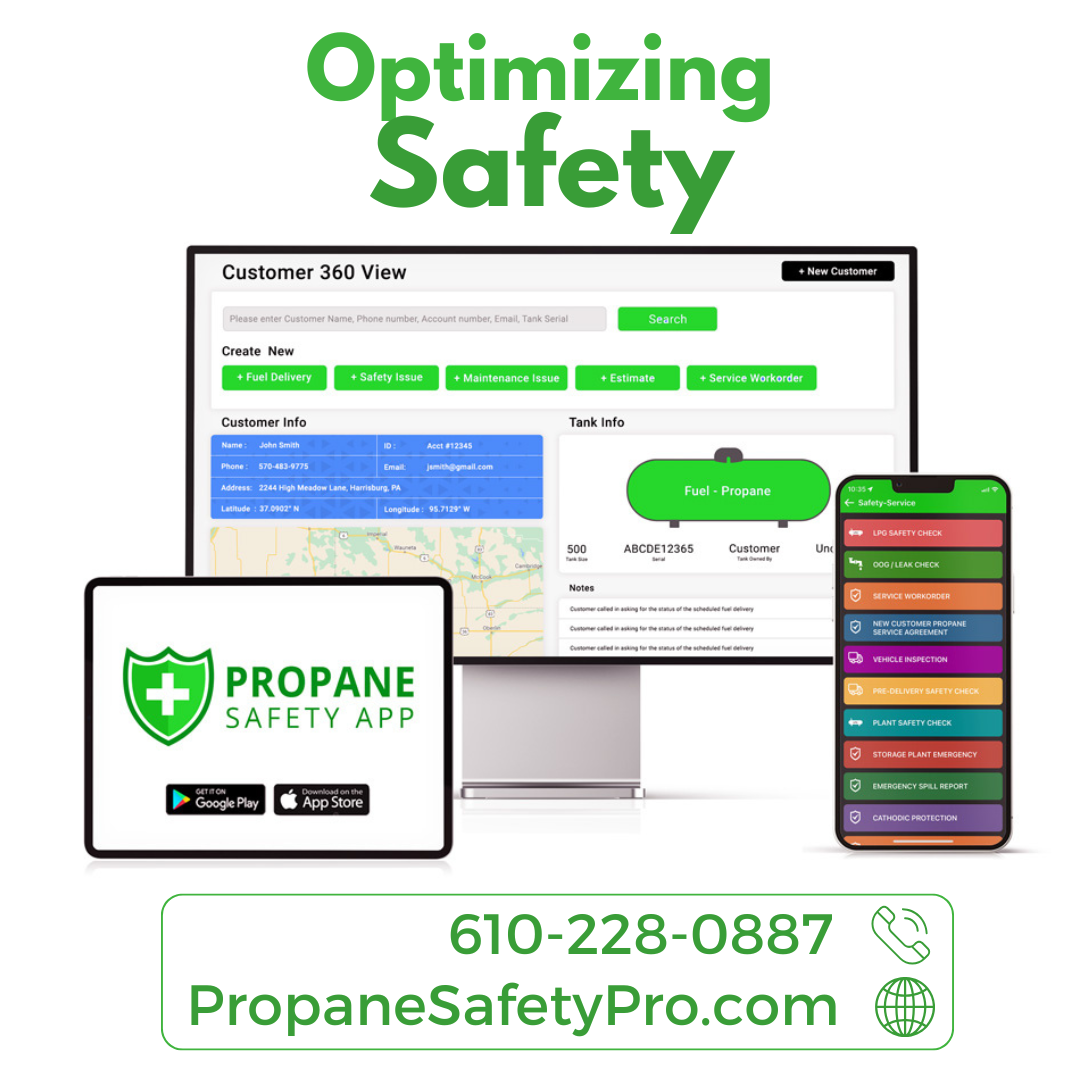
Some companies are also using digital tools to support their service teams. Platforms that centralize account data, delivery history, and service records make it easier for CSRs to answer questions quickly and accurately. This reduces call times and improves the overall customer experience.
The Front Line Defines the Brand
For residential propane companies, the CSR team is often the most visible part of the business. Customers may never meet a driver, technician, or manager, but they will speak with a CSR when it matters most. That makes every conversation an opportunity to reinforce trust, provide clarity, and strengthen the customer relationship. Companies that invest in training, communication tools, and consistent messaging for their CSRs are not just improving customer service performance. They are building a stronger foundation for long-term retention and growth.