January 30, 2026
Duty to Warn Mailings and Liability

Duty to warn mailings have always been a foundational safety obligation in the propane industry, but the way they are evaluated has changed. Regulators, insurers, and attorneys increasingly look beyond whether a notice was mailed and focus on whether a company can prove a consistent, repeatable, and documented process. For propane businesses, that shift carries real consequences. A missing record, an inconsistent schedule, or unclear ownership of the process can quickly turn a routine safety requirement into a major liability exposure. As scrutiny grows around safety culture and documentation, duty to warn programs now play a direct role in legal defensibility, insurance outcomes, and operational discipline.
The Legal and Regulatory Purpose of Duty to Warn
Duty to warn requirements exist to ensure customers receive clear, ongoing reminders about the risks associated with propane systems and the steps needed to use them safely. State rules and industry guidance emphasize periodic written notifications, particularly for residential customers, vacant properties, and accounts with system changes. Courts have repeatedly held that warnings must be reasonably delivered and reasonably documented. Guidance from the National Propane Gas Association (NPGA) reinforces that propane marketers should be able to demonstrate not only what was sent, but when, how often, and to which customers. A verbal claim that notices are mailed annually carries little weight without supporting records.
Where Liability Often Emerges
Most liability exposure does not come from ignoring safety entirely, but from breakdowns in execution. Customer databases may contain outdated addresses, duplicate records, or inactive accounts that remain on mailing lists. Busy winter seasons can push mailings later than planned, creating communication gaps from year to year. Staff turnover can result in unclear responsibility for managing the process. From an insurance perspective, these gaps matter. Insurers increasingly request documentation of safety communications during underwriting and claims reviews. A propane company unable to produce mailing logs or copies of notices may face higher premiums, reduced coverage, or tougher claim negotiations. From a management standpoint, inconsistent processes also make it harder to train new staff and maintain accountability.
Documentation Turns Mailings Into Risk Control
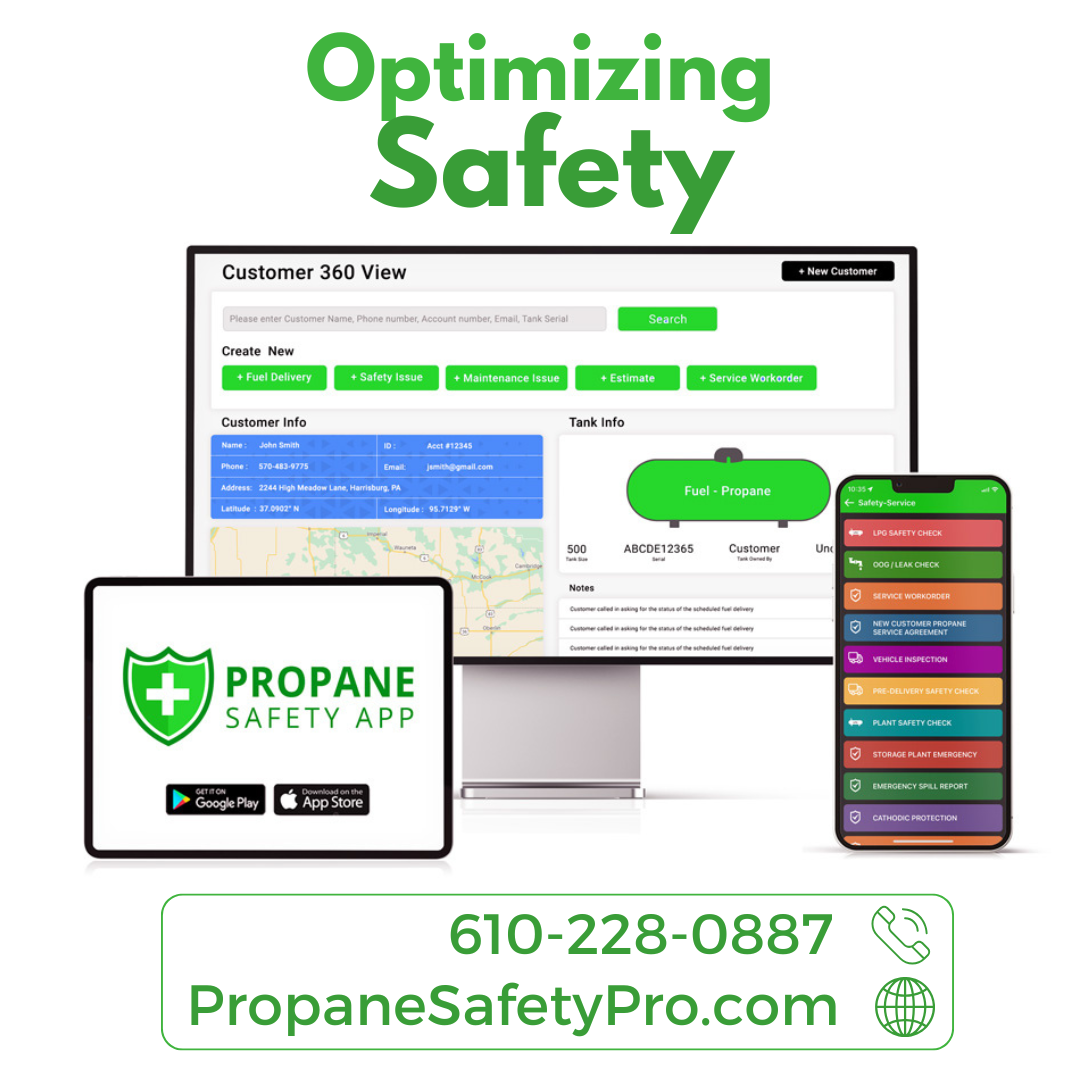
Documentation is what transforms duty to warn from a checklist item into a defensible risk-control practice. This includes retaining copies of each notice version, maintaining dated mailing logs, and preserving recipient lists tied to specific cycles. Some propane companies now rely on structured, third-party programs to ensure consistency and recordkeeping. Programs like the Duty to Warn Mailings service offered by Propane Safety Pro are designed to handle standardized content, scheduled distribution, and documented proof of mailing all in one streamlined system. For retailers, outsourcing this function will greatly reduce their internal workload while strengthening their legal defensibility. To learn more about this time-saving resource and how your company can be supported by it, be sure to visit: https://www.propaneinsider.com/duty-to-warn/.
Consistency Is as Important as Content
Even well-written warnings lose their value if they are sent irregularly or handled differently each year. Consistency demonstrates intent and care. This means using standardized timing, approved language, and the same delivery method across various cycles unless changes are documented. Consistency also supports internal efficiency. When processes are repeatable, staff training is easier, audits are faster, and errors are less likely to occur. Over time, consistent safety communication also reinforces customer awareness which supports broader safety goals beyond liability protection.
Strengthening Your Duty to Warn Process
Assign clear ownership of duty to warn mailings to a defined role or team so responsibility does not shift informally. Establish a fixed annual schedule and adhere to it, even during peak operational periods. Maintain both digital and physical records showing notice content, mailing dates, and recipient lists. Periodically audit the process, especially after any system changes or staff turnover, to confirm accuracy and completeness.
How This Affects Operations and Culture
Well-managed duty to warn programs influence more than one’s legal defense. They support a culture of safety, improve operational clarity, and reduce stress during audits or claims. Clear processes also help managers better plan workloads, wisely allocate resources, and avoid last-minute corrections. Over time, disciplined documentation can even support insurance negotiations and risk management strategies by demonstrating a solid, long-term commitment to safety.
What This Means Going Forward
Duty to warn mailings remain essential, but their value depends on execution. As expectations and standards continue to rise across the propane industry, businesses that invest in consistent, documented processes will be better positioned to manage liability and protect their operations. Treating safety mailings as an ongoing system rather than an occasional task strengthens legal defensibility, supports employee accountability, and reinforces customer trust. Looking ahead, companies that embed documentation into their safety culture will face fewer surprises and greater confidence when scrutiny arises.