When School Closures Disrupt Propane Routes Overnight
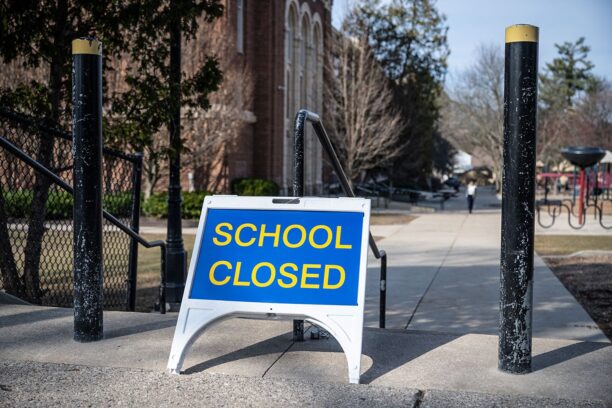
Short-notice school closures – whether driven by weather, public health, or localized emergencies – rarely make headlines in the propane trade press. Yet for fuel marketers serving districts, private schools, and auxiliary facilities, the operational impact can be immediate and costly. A school closure announced the night before, or mid-route, can upend carefully sequenced commercial deliveries, idle drivers, and force dispatch teams into reactive mode. Missed drops, partially completed routes, and rescheduling pressure all have a ripple effect on labor efficiency, safety exposure, and customer relationships. For operators running lean fleets, this issue is not merely theoretical; it is a recurring stress test of dispatch discipline, communication systems, and contractual clarity.
Route Integrity and the Cost of Sudden Cancellations
Commercial school routes are typically planned around predictable usage patterns: kitchen demand, bus garage heating, gymnasiums, and backup generators. When a closure is announced with little notice, tanks may be sufficiently full to defer delivery, but the truck is already en route. Pulling a stop at the last minute often creates deadhead miles or forces inefficient rerouting that pushes other deliveries to later in the day. Over time, these disruptions quietly erode route profitability. The hidden cost is not just fuel and time; it is the cumulative loss of schedule integrity that dispatch teams rely on to manage peak periods.
Staffing, Hours-of-Service, and Safety Trade-offs
Last-minute rescheduling can tempt managers to “make it work” by extending driver days or squeezing in extra stops elsewhere. That is where risk creeps in. Adjusting routes on the fly increases the chance of HOS pressure, rushed tank fills, or reduced attention to site-specific safety checks, especially at facilities with limited access or shared campuses. From a compliance standpoint, inconsistent route execution complicates documentation if an incident occurs later. Insurers and investigators tend to scrutinize deviations from planned routes and assigned work hours, particularly when commercial accounts are involved.
Customer Contracts and Expectation Gaps
Many school districts operate under delivery agreements that assume normal operating schedules – but they typically say little about closures. When deliveries are skipped or delayed, questions arise quickly: Was the stop discretionary? Was the minimum supply maintained? Who absorbs the cost and inconvenience of the missed delivery or the return trip? Without clear language, account managers are left negotiating in real time. Over multiple seasons, this ambiguity can weaken otherwise stable commercial relationships and expose the marketer to disputes over service reliability or emergency coverage.
Practical Steps to Protect Routes and Margins
First, build conditional routing rules into dispatch protocols that flag school and municipal accounts separately, allowing rapid removal or reassignment of stops without manual replanning. Second, establish pre-closure communication triggers with districts, automated alerts, or designated contacts, so dispatch is informed before trucks roll. Third, review commercial contracts annually to clarify delivery obligations during closures, including acceptable deferral thresholds and rescheduling terms. Finally, document all same-day route changes consistently; accurate records are a silent but critical defense if safety or billing questions surface later.
Looking Ahead for Commercial Accounts
Short-notice school closures are unlikely to disappear, and propane marketers cannot afford to treat them as rare exceptions. The operators who manage them best are those who treat route disruption as an operational variable, not a crisis. Tight dispatch rules, disciplined safety standards, and contract clarity turn an unpredictable event into a manageable adjustment. Over the long term, that discipline protects margins, reduces risk exposure, and reinforces credibility with public-sector customers who value reliability, even when their own schedules change overnight.