May 5, 2026
Staying Ahead of the Curve and Avoiding Common Inspection Pitfalls
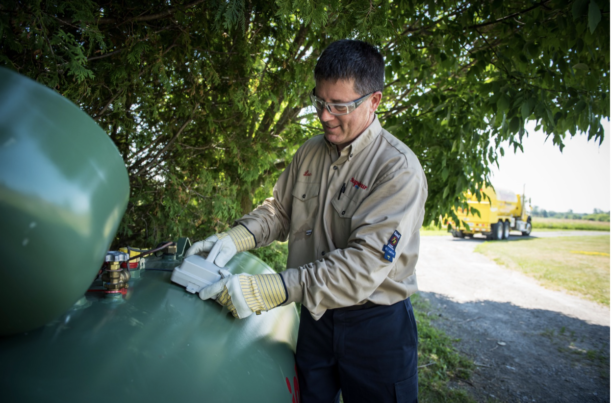
Ensuring compliance with regulations during bulk propane plant inspections is essential for safety, efficiency, and avoiding costly penalties. With stricter oversight and the rising demand for propane services, it’s more important than ever for operators to address potential violations before they become problems. Here are some key areas where propane businesses can improve their practices and stay ahead of inspection challenges.
Keeping Your Paperwork in Order
Proper documentation is critical to passing inspections. From maintenance logs to safety training records, propane plants are required to keep thorough and accurate files to demonstrate compliance. Missing or outdated records can quickly lead to violations. Regularly reviewing and updating these records – such as maintenance logs, training certifications, and inspection certificates – can help ensure that everything is in order for an inspection.
Ensuring That Workers Are Fully Prepared
Employee training is not just a regulatory requirement – it’s also a safety imperative. Bulk propane plants must provide comprehensive training to workers on how to handle hazardous materials, respond to emergencies, and operate equipment safely. Failing to properly train employees on these crucial tasks is a common violation during inspections. Establishing a strong training program, with regular updates and hands-on drills, ensures that all employees are well-equipped to manage their roles safely and in line with industry standards.
Maintaining Equipment and Tanks Properly
Regular maintenance of tanks, valves, pumps, and other critical equipment is essential for both safety and compliance. Propane plants often face violations for not addressing issues like corrosion, leaks, or improper sealing. Keeping equipment in top condition prevents dangerous situations and helps to ensure smooth operations. Routine inspections and repairs, along with a preventive maintenance program, can help detect potential issues before they escalate.
Maintaining Safety Equipment to Code
Properly functioning safety equipment is non-negotiable when it comes to propane plant operations. Fire extinguishers, emergency shut-off valves, and personal protective equipment must be present and regularly inspected. Failing to comply with these requirements is a frequent cause of violations during inspections. Regular checks of safety gear, along with employee training on how to use it effectively, are essential steps to avoid these violations.
Clear Signage and Labels for Safety
Inadequate or unclear signage can cause confusion and pose a safety risk, especially in emergency situations. Propane plants must display visible and compliant labels, including hazardous material warnings and safety guidelines, to prevent accidents. Inspecting signage regularly and ensuring it complies with regulatory standards can avoid fines and, more importantly, ensure the safety of employees and the community.
Being Ready for Emergencies
Preparedness is key when it comes to emergency situations. Whether it’s a gas leak, spill, or fire, propane facilities must have clear, practiced response plans in place. Many violations are related to poor documentation of emergency procedures or insufficient preparedness for crisis scenarios. Regularly updating and practicing emergency response plans, and ensuring that all employees are well-versed in their roles, is a crucial part of staying both compliant and safe.
Preventing Gas Buildup and Leaks
Proper ventilation and gas detection systems are essential to preventing propane buildup, which could lead to dangerous leaks or explosions. Many inspections find violations related to poorly maintained ventilation or gas detection systems, putting plants at risk for severe safety hazards. Ensuring that these systems are regularly tested, calibrated, and functioning properly is vital for the safety of both the facility and surrounding areas.
Adhering to Bulk Storage Standards
Bulk propane plants must meet strict standards for storage tank placement, capacity, and spill containment. Violations in these areas often result in significant fines or penalties, as non-compliance can lead to environmental damage or unsafe working conditions. By staying current with regulations regarding tank storage and implementing proper spill containment measures, propane plants can ensure that they meet all established safety standards and thereby avoid costly violation fees and consequences.
Staying Ahead of Compliance
Proactively addressing common inspection violations not only helps one avoid fines but also improves the overall safety and efficiency of a business’s propane operations. By keeping equipment up to code, investing in employee training, and maintaining accurate records, propane plant operators can ensure a smooth inspection process and continue to serve their customers safely and effectively.
In a dynamic industry like propane, staying ahead of regulatory requirements is essential. Regular self-inspections, maintenance checks, and an ongoing commitment to safety will keep your plant compliant and help you avoid the common pitfalls that can arise during inspections.