May 1, 2026
Simple Steps to Handling Propane Emergencies
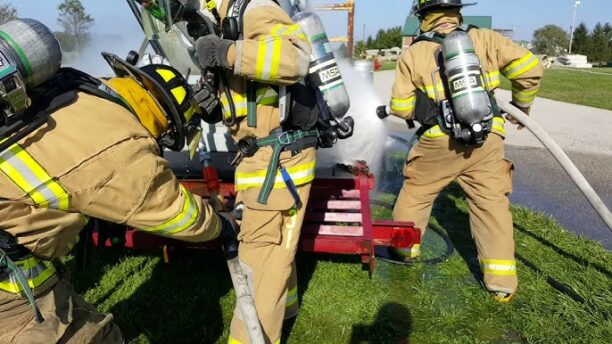
Emergencies in the propane industry don’t come with a warning. Whether it’s a gas leak, equipment failure, storm damage, or a traffic accident involving a delivery truck, you often have only minutes to act. These moments test not just your response time, but your preparation, training, and calm thinking under pressure. That’s why managing emergency situations well is one of the most important things you can learn as a propane business owner or team member.
The truth is, no one plans for things to go wrong, but being unprepared is a choice. Emergencies can quickly put your team, your customers, and your business at risk. However, with the right steps in place, you can stay ahead of danger, protect lives, and even strengthen your company’s reputation. Emergency response isn’t just about reacting. It’s about being ready before anything bad ever happens.
Start With a Clear Emergency Plan
Every propane business needs a written emergency response plan. This plan should explain what to do in different crisis situations – gas leaks, tank damage, fires, traffic accidents, or even natural disasters. Each step should be simple, direct, and easy to follow – even under pressure, which is sure to be there.
The plan must include emergency phone numbers, shutdown procedures, and the names and contact information of who is in charge. Keep copies in trucks, offices, and anywhere employees might need them. Review the plan at least twice a year and be sure to update it as your business evolves and grows.
Train Everyone on the Team
Your plan only works if your team knows what to do. That means regular training is implemented, not just once when someone is hired. Go over the basics often, and run drills that cover real situations. The more your team practices, the more confident they’ll be when something actually happens.
Training should cover gas detection, using safety equipment, shutting down tanks, and knowing when to call for help. It’s also important to teach your team how to talk to and care for customers during an emergency in order to keep everyone calm, safe, and reassured.
Check and Maintain Equipment
Many emergencies happen because something breaks or isn’t working right. Take the time to make regular inspections a key part of your schedule. Check hoses, tanks, valves, detectors, and shutoff systems. Fix small problems before they turn into big ones. You should also keep backup tools and gear ready – things like flashlights, radios, fire extinguishers, and spill kits. In an emergency, having the right equipment on hand can make a big difference.
Keep Communication Open
When things go wrong, clear communication is key. Set up a way for employees to report problems quickly. Use radios, phones, or apps that work even during bad weather or outages. Make sure everyone knows who to contact and how.
If an emergency involves your customers – like a leak at their home or business – you should have a way to reach them quickly. Build a list of customer contacts and make sure it’s easy to access during a crisis.
Learn From Every Incident
Even when an emergency is handled well, it’s worth looking back afterward. Ask what worked and what didn’t. Did the plan cover the right steps? Did your team know what to do? Were tools and contacts easy to reach? Learning from these events helps you improve your response for next time. It also demonstrates to your team that you’re serious about continual improvement and keeping everyone safe.
A Springboard for Success
Being ready for emergencies does much to build trust. Your customers want to know you’ll protect them. Your team wants to feel safe on the job. And you want to avoid big losses from fines, property damage, injuries… or worse.
Maintaining a solid emergency plan, regular employee training, working equipment, and clear communication will help your business stay strong, even when the unexpected happens. Implementing these practical, proactive steps will do more than just help your team and your customers in tough moments; they will prove that your business takes safety and service seriously every single day.