April 17, 2026
Safety, Compliance, and Training Remain Critical in Propane Operations
Why This Area Never Loses Relevance
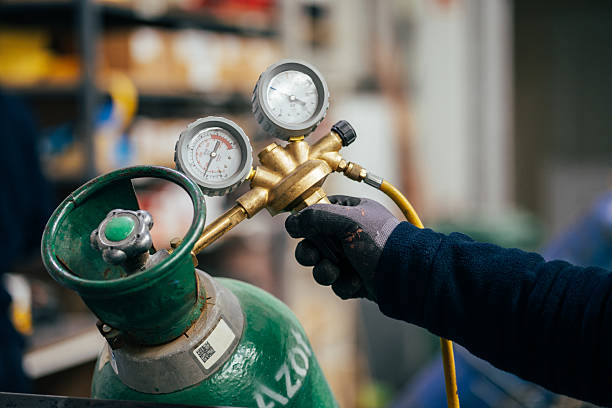
Safety, compliance, and training continue to shape how propane businesses operate, because the risks tied to propane distribution and use are ongoing. Every delivery, installation, and service call involves regulated equipment, public exposure, and legal responsibility. Federal transportation rules, fire codes, and insurer expectations all intersect at the field level, making consistent training essential. When safety systems fall behind, the impact shows up quickly through violations, incidents, higher insurance costs, or lost customer trust. For propane companies, strong safety performance is not separate from operations. It directly influences workforce stability, audit readiness, and financial resilience.
Field Safety and DOT Oversight
Day-to-day field work remains the most visible safety exposure. Driver qualifications, hours of service, vehicle inspections, and hazardous materials handling all fall under oversight from the Pipeline and Hazardous Materials Safety Administration and the Department of Transportation. Enforcement data and inspection activity show that documentation gaps and inconsistent procedures are common causes of citations. Ride-alongs, refresher training, and clear pre-trip and post-trip inspection routines help reduce risk while also improving driver confidence during busy seasons.
NFPA Codes and Facility Compliance
Fire and life safety standards play a major role in bulk plants, storage locations, and customer installations. NFPA 54 and NFPA 58 establish requirements for system design, spacing, maintenance, and emergency response. These standards are updated regularly, and local enforcement can vary. Staying current serves to protect facilities while also supporting smoother inspections and fewer disruptions during permitting or insurance reviews. Regular internal audits help ensure that written procedures match actual field practices.
Training as Risk Control and Workforce Support
Training is increasingly viewed as both a safety tool and a management strategy. Insurers often review training frequency and recordkeeping when setting premiums. From an HR perspective, clear training pathways support retention and help newer employees reach proficiency faster. Many companies are adopting digital training logs and standardized checklists to create consistency across locations and roles, thereby reducing reliance on informal knowledge transfer.
Turning Safety Expectations Into Daily Execution
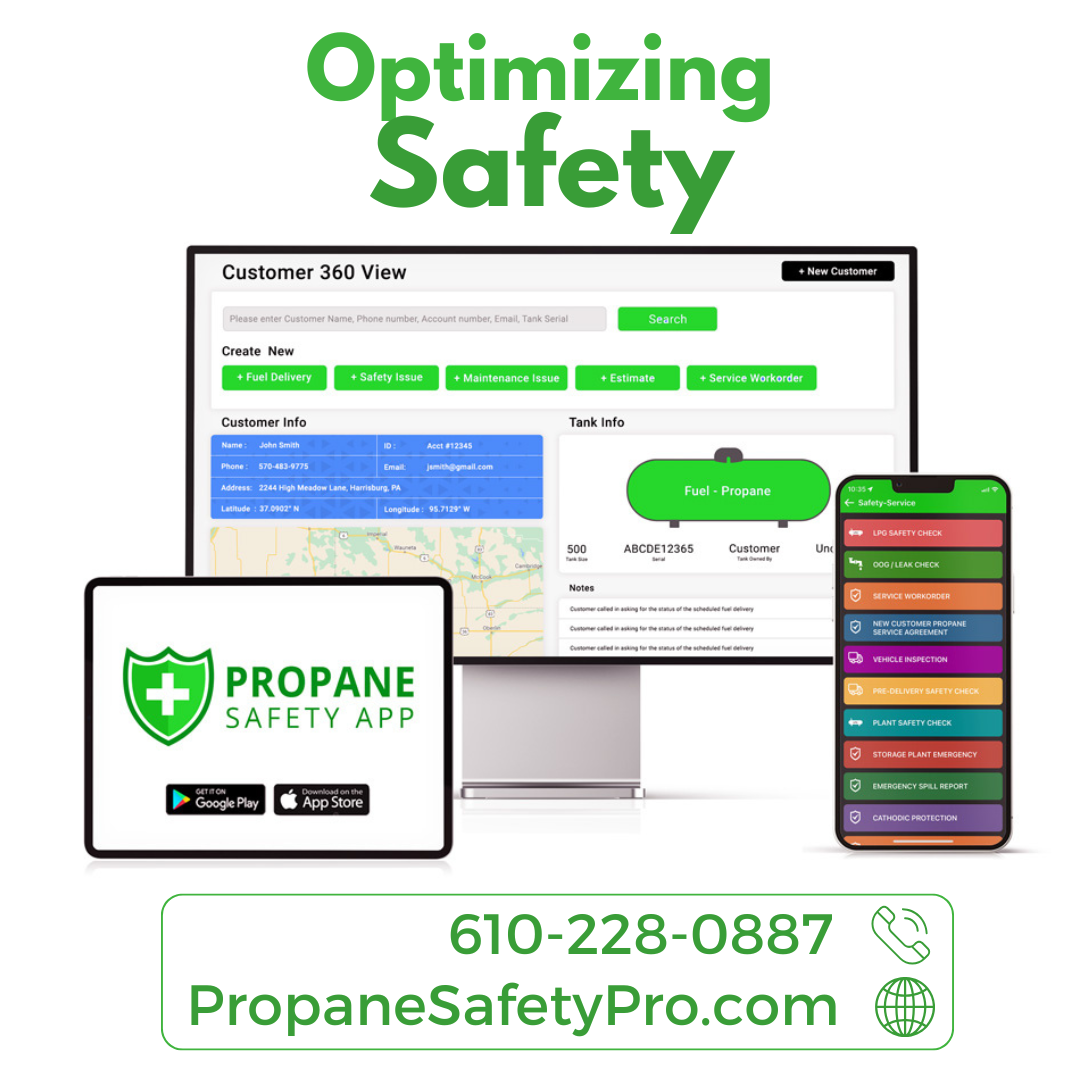
Many propane companies are moving away from paper-based safety systems toward more consistent digital tools. User-friendly platforms like Propane Safety Pro help bridge the gap between policy and field execution by bringing inspections, training records, photos, and documentation all into one unified system. This allows drivers and technicians to complete required safety tasks in real time while giving managers clear visibility into compliance status. Practical tools like this support audit readiness, reduce missed steps, and make it easier to demonstrate compliance to regulators and insurers without adding administrative burden.
Practical Measures to Implement Now
Set training schedules that align with DOT inspection cycles and NFPA updates. Require documented ride-alongs for new hires and periodic refreshers for experienced staff. Review safety records and near-miss reports quarterly, not just before audits. In order for compliance and safety expectations to remain clear and consistent, it is essential to involve operations, HR, and risk management leaders when updating procedures.
Final Thoughts
Safety, compliance, and training must remain permanent priorities within the propane industry because the regulatory and risk landscape continues to evolve. Companies that treat training as an ongoing system rather than a one-time requirement are better positioned to prevent incidents, manage insurance costs, and maintain operational stability. As expectations rise across transportation, facilities, and workforce practices, disciplined safety programs will continue to shape long-term success.