July 14, 2026
Rising Energy Costs Put New Pressure on Propane Margins
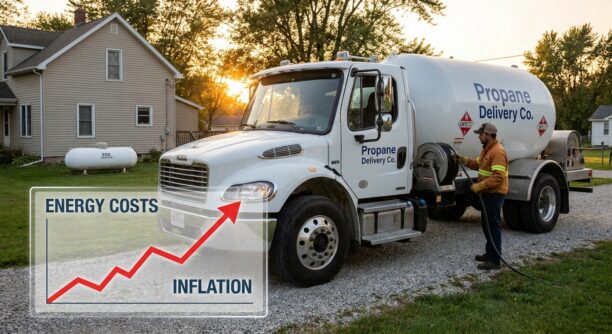
Inflation Surge Forces Propane Marketers to Reevaluate Pricing and Operations
Inflation remains a growing concern for propane businesses as new economic data points to continued pressure across the entire energy sector. Recently released consumer price index figures showed energy costs climbing sharply compared to a year ago, marking one of the most significant increases seen in recent years. For propane retailers and distributors, the trend arrives at a time when many companies are already managing higher transportation expenses, labor costs, and ongoing supply chain challenges.
While inflation affects nearly every industry, propane marketers often feel the impact more directly because fuel costs touch every aspect of daily operations. From purchasing bulk propane and maintaining delivery fleets to retaining qualified drivers and technicians, rising expenses can quickly erode margins if they are not consistently tracked and carefully managed.
The Cost Squeeze Reaches Every Corner of the Business
For many propane companies, the challenge is not simply paying more for fuel. Higher wholesale costs often create a chain reaction that affects pricing decisions, customer relationships, and long-term planning.
Residential customers may understand that heating costs fluctuate, but continued increases can still generate concerns when bills arrive. Commercial customers often respond differently. Businesses facing their own budget pressures may postpone projects, reduce fuel consumption, or seek additional pricing concessions. As a result, propane marketers find themselves balancing the need to protect margins while remaining competitive in increasingly cost-conscious markets.
This environment creates difficult decisions for owners and managers. Passing every cost increase directly to customers can create retention challenges, while absorbing those increases can significantly reduce profitability. Finding the right balance requires close monitoring of both market conditions and customer expectations.
Operational Efficiency Is More Important Than Ever
Periods of inflation often reveal inefficiencies that may go unnoticed during more stable market conditions. Companies that strive to streamline their operations, reduce paperwork, and improve communication with customers are generally better positioned to withstand rising costs.
Technology continues to play a growing role in that effort. Digital ordering systems, customer portals, and mobile applications can simplify routine transactions while reducing administrative workloads. Customers benefit from greater visibility into deliveries, account activity, and pricing, while office staff spend less time handling manual processes and repetitive inquiries.
For propane businesses operating with lean teams, even small improvements in efficiency can produce meaningful savings over time. Reducing unnecessary office tasks allows employees to focus on customer service, sales opportunities, and operational planning rather than paperwork.
Looking Beyond National Headlines
Although national inflation data provides important context, local market conditions often have a greater impact on propane operations. Regional transportation costs, weather patterns, infrastructure constraints, and competitive dynamics can all influence profitability.
Successful marketers continue to monitor local supply conditions closely rather than relying solely on national economic indicators. Understanding regional trends allows companies to make more informed purchasing decisions and respond more quickly to market changes before they affect customers.
Preparing for the Challenges Ahead
Many analysts expect energy market volatility to continue through the summer months. Global oil markets remain sensitive to geopolitical developments, production changes, and seasonal demand shifts, creating uncertainty for fuel distributors across the country.
For propane companies, this makes proactive planning essential. Businesses that maintain disciplined pricing strategies, strengthen customer relationships, and invest in operational efficiency tactics will be better equipped to navigate inflationary pressures while protecting long-term profitability. The current environment may be challenging, but it also presents an opportunity for well-managed propane companies to strengthen their operations and position themselves for success when market conditions eventually stabilize.