Handling Propane Fines with Professionalism
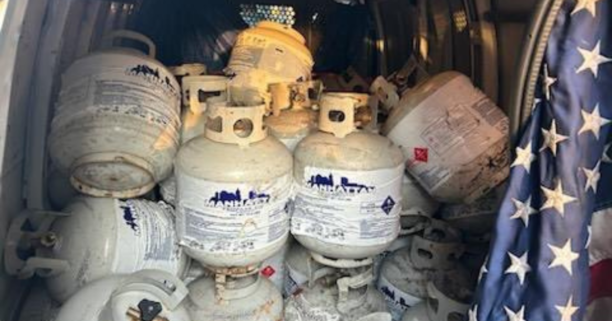
Running a propane business means working under strict safety and regulatory standards. These rules exist for good reason – to protect people, property, and the environment – but even the most careful companies can occasionally face a citation or fine. Whether it’s a paperwork error, an inspection misunderstanding, or a compliance delay, receiving a violation can be stressful and costly. The good news is that not all citations are final. With the right approach, propane businesses can appeal fines and protect their reputation while showing regulators that they are committed to safety and improvement.
Knowing the Reason Behind the Violation
The first step in an appeal is to fully understand why the violation was issued. This may sound simple, but it’s often overlooked. Before responding, take time to read the report carefully and identify the exact regulation that was cited. Some violations may stem from technical details, like missing documentation or equipment labeling, while others may involve larger operational concerns.
Knowing the root cause of the citation will help you determine whether it is valid and how to respond effectively. It also allows you to collect the right evidence – such as maintenance logs, employee training records, or inspection photos – to support your case.
Gathering Evidence and Documentation
Once you know what you’re appealing, collect all relevant documentation. A well-organized appeal is built on facts, not assumptions. Provide clear proof that your business was either in compliance or has taken quick action to fix the problem. Keeping detailed records of safety training, inspections, and maintenance can make a big difference.
This is also a good time to review your internal record-keeping system. If paperwork is missing or inconsistent, create a clear plan to improve it. Even if the violation is upheld, demonstrating that you’ve taken steps to correct the issue shows good faith and professionalism.
Communicating with Inspectors
How you communicate during the appeal process matters as much as what you say. Stay calm, respectful, and factual in every interaction with inspectors or agency representatives. Avoid defensive language and simply focus on clarity. The goal is to work with regulators to find a fair resolution, not to challenge their authority.
Open communication can also reveal whether the violation was warranted or if it was based on a misunderstanding. Sometimes, inspectors interpret a situation differently from how your team intended it. Clear explanations, backed by evidence, can help resolve these situations quickly.
Submitting the Appeal
Each regulatory agency has its own appeal process and timeline. Make sure your submission meets all requirements including forms, deadlines, and supporting materials. Submitting an incomplete or late appeal can result in an automatic rejection.
In your written appeal, be direct and professional. Outline the violation, tactfully and clearly explain your side of the situation, and include proof of corrective actions you have taken. If you’ve already addressed the issue that led to the citation, make sure to include documentation showing that your business is now in full compliance.
Learning from the Experience
Even when an appeal is successful, every violation is an opportunity to strengthen your safety and compliance systems. Review what went wrong, whether it was a process gap, a training issue, or unclear communication, and take the time to implement needed improvements in order to prevent similar problems in the future.
Conducting regular internal audits can help your company catch issues before inspectors do. Encouraging your employees to report potential safety concerns early can also create a culture of accountability. The more proactive and prepared your team is, the less likely violations are to occur.
Final Thoughts
Effective violation appeals protect more than just your finances; they safeguard your reputation. Customers, insurers, and business partners all value companies that handle compliance issues responsibly. By approaching violations with honesty, professionalism, and preparedness, you build trust and credibility within the propane industry.
A strong appeal process shows that your business doesn’t just react to problems – it learns from them. That attitude creates long-term stability, reduces risk, and helps you maintain good standing with regulators. For propane businesses that value reliability and safety, mastering the art of handling and appealing violations is a critical part of keeping operations strong and dependable.