
Efficiency in Propane Warehouses Boosts Performance
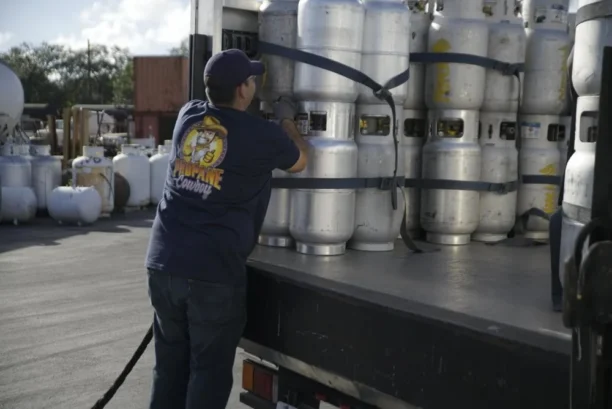
Every propane company knows that a warehouse is much more than storage space; it is the heart of their operations. From holding cylinders and regulators to managing service tools and safety equipment, the way a warehouse is arranged affects everything from speed to safety. A cluttered or poorly designed layout creates delays, confusion, and hazards, while a smart and efficient setup helps staff move quickly, reduces mistakes, and keeps daily work on track.
Propane businesses often think first about trucks, delivery schedules, or marketing when trying to improve their performance. However, the warehouse is where efficiency truly begins. When parts, cylinders, and tools are easy to locate, deliveries go out faster, service calls are smoother, and safety risks are reduced. An organized warehouse doesn’t require spending big money on upgrades; it simply requires creating clear systems and layouts that help employees work smarter every day.
Organizing for Speed and Safety
The foundation of an efficient warehouse is proper organization. Propane cylinders, regulators, hoses, and parts should be grouped in clear categories so employees don’t waste time searching for them. Walkways should be wide and kept open for both safety and speed. Marked zones for both filled and empty cylinders will assist in preventing mix-ups and avoiding accidents. Consistent organization saves time, but more importantly, it prevents the kind of mistakes that can create dangerous and costly safety risks.
Streamlining Workflows
Workflows should guide the warehouse layout. High-use items need to be positioned closer to loading docks, while inspection and maintenance stations should be near storage areas. By reducing the number of times an employee has to walk back and forth across the warehouse, tasks are finished faster. Smooth workflows not only save time; they also lower unnecessary and unwanted strain on employees, cutting down fatigue and improving productivity.
Utilizing Space Wisely
Warehouse space is often limited; therefore, every square foot counts. Vertical storage shelving can do much to open up floor space, while bulkier items should be placed in areas that do not block traffic. Seasonal or low-use equipment can be stored further from the main workflow areas, reserving the prime space available for daily operations. The goal is to ensure that every square foot of warehouse space is utilized in a practical way that supports work, not hinders it.
Labeling Systems
Clear labeling is one of the simplest yet most effective ways to improve warehouse efficiency. Every section, shelf, and container should have easy-to-read labels. The goal of clear signage is to guide employees quickly to the right zone, especially for new team members or seasonal staff who may not know the layout well. Labels also help avoid costly mistakes, such as grabbing the wrong part or cylinder type during a rush.
Implementing Digital Tools
Relying on paper records or – worse yet – one’s memory makes warehouses prone to errors. Digital inventory systems can help track where items are, how much stock is left, and when reorders are needed. Simple barcode scanning or mobile apps reduce human error while keeping accurate records of all inventory. This not only speeds up daily tasks but also provides proof of compliance during inspections or audits.
Training for Consistency
A smart warehouse layout is only as strong as the people using it. Employees should be trained not only in safety procedures but also in how to follow organizational systems on a daily basis. Consistent practices in this regard will do much to ensure that items are always returned to the right place, records stay accurate, and workflows remain smooth. Regular refreshers will help keep the entire team aligned with best practices.
Adjusting for Seasonal Needs
Propane demand often shifts with the seasons. A warehouse that works well in the slower season of summertime might need adjustments in the winter, when different equipment pieces or cylinder volumes are more common. Reviewing and adjusting various layouts before peak demand arrives will help ensure that the warehouse is ready to handle changes in workload without any unwanted slowdowns.
Reducing Errors Through Clear Systems
Misplaced parts or missing cylinders cause unnecessary delays and can frustrate both employees and customers. Simple systems, whether digital or manual, help ensure every item has a designated spot and is tracked properly. By minimizing errors of this sort, warehouses run more smoothly, and customers receive faster, more reliable service.
Reaping the Benefits
For propane companies, warehouse efficiency directly impacts their bottom line. Faster workflows reduce labor costs, accurate systems prevent wasted trips, and organized layouts improve safety and reliability. Customers notice when their deliveries arrive on time and when service crews are prepared with everything they need. By making warehouse inventory management a priority, propane businesses can cut costs, improve service, and build a stronger reputation for excellence among those they serve.