October 7, 2025
A Practical Safety Guide for Propane Businesses
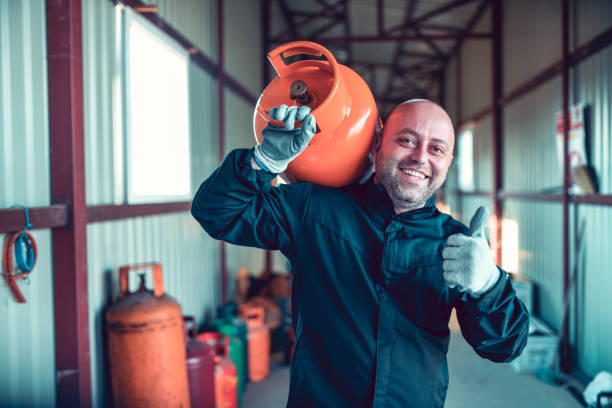
Propane plays a vital role in powering homes, farms, and businesses. While it is a reliable and efficient fuel, handling it requires strict attention to safety. For propane companies, keeping employees and customers safe not only protects lives but also builds trust and ensures compliance with regulations. A strong safety culture can also reduce costly accidents and unwanted disruptions.
Storing and Inspecting Tanks
The first line of defense in every propane operation is proper storage. Cylinders and bulk tanks should be kept in well-ventilated areas, away from open flames, heat sources, or direct sunlight. Tanks must remain upright and secure to prevent any tipping from occurring. Routine inspections are essential – checking for rust, dents, or other visible damage helps identify potential risks before they become hazards.
Detecting and Responding to Leaks
Leaks are among the most serious risks in propane operations. Employees should be trained to recognize the distinct odor of propane and to use leak-detection solutions during routine checks of valves, fittings, and hoses. Any suspected leak requires immediate action: stop the flow of propane if safe to do so, clear the area, and notify emergency services if necessary. Businesses should maintain clear reporting procedures so employees know exactly what steps to take. Additionally, operators should be sure to document any leaks or other issues and what was done to correct them.
Building a Solid Emergency Plan
No matter how careful a company is, emergencies can still happen. A written plan that covers fire response, evacuation procedures, and customer communication is crucial. Staff should be trained regularly through drills and refresher courses. Having fire extinguishers, alarms, and first-aid kits readily available adds another layer of protection. The goal is to make sure every team member knows their role if a crisis should occur.
Training and Ongoing Education
Propane safety is not a one-time lesson. From delivery drivers to technicians, all employees should receive continuous training that covers equipment handling, regulatory updates, and customer interactions. Regular refresher courses keep safety practices sharp and up-to-date with industry standards. Encouraging a corporate culture where employees feel comfortable reporting concerns or suggesting improvements also strengthens overall safety.
Why Safety Matters for Business Success
Beyond the main priority of protecting people, a proactive approach to safety helps propane companies in many ways. Keeping safety at the forefront of all operations will do much to help them avoid fines, insurance claims, and damage to both their equipment and reputation. Customers who observe that a business takes safety seriously are more likely to stay loyal and recommend their services to others. In a competitive market, that trust is an important advantage.