Crisis Drills Strengthen Propane Safety and Service
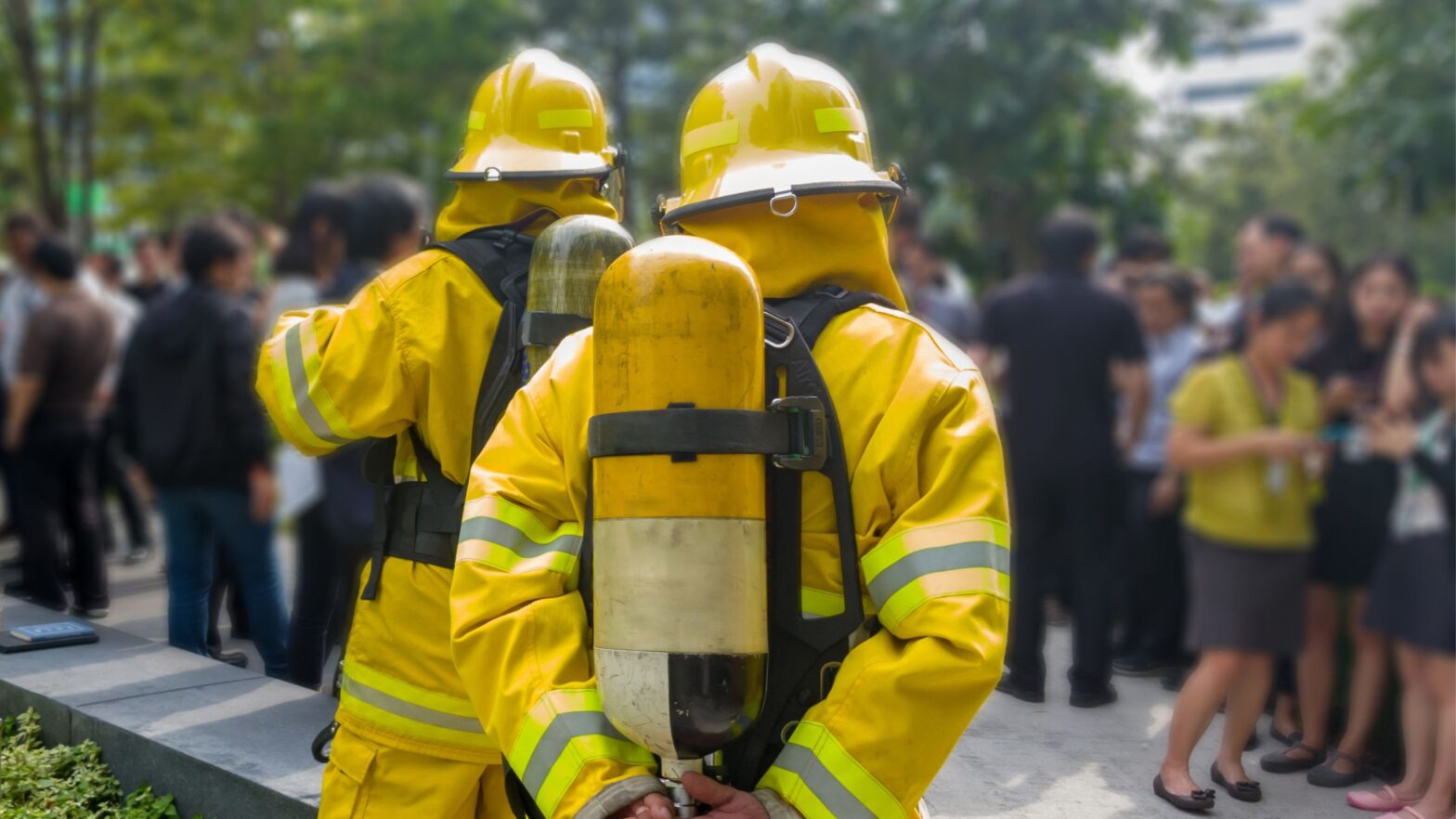
Emergencies in the propane industry can happen when they are least expected. Whether it is a leak, a fire, or an equipment failure, a crisis can put employees, customers, and the community at risk. Being prepared is the difference between an event that is handled quickly and one that causes serious harm. This is why propane companies conduct crisis response drills, structured exercises that prepare teams to act fast, stay calm, and follow the right steps when real problems occur.
Crisis drills are not just about practicing emergency procedures. They also reveal gaps in training, test equipment readiness, and strengthen teamwork under pressure. By running these exercises regularly, companies can build confidence among their employees and ensure that everyone knows their role in protecting lives and property when an emergency occurs.
The Purpose of Crisis Drills
The main goal of a crisis drill is to create a safe environment where employees can practice responding to emergencies before they face them in real life. Drills prepare staff to act with speed and accuracy, ensuring that small problems don’t grow into larger disasters. They also reinforce compliance with industry standards and safety codes, showing regulators and customers that the company takes safety seriously.
Training Employees to React Quickly
During an emergency, hesitation can make conditions worse. Drills train employees to recognize warning signs, respond immediately, and communicate clearly with each other. Practicing evacuations, emergency shut-offs, and first response actions helps team members to react instinctively, with both skill and confidence, when every second counts.
Testing Equipment and Procedures
A crisis drill is also an opportunity to test equipment and procedures. Safety valves, alarms, and emergency communication systems must work properly when needed. By simulating real-life scenarios, companies can confirm that their equipment functions as expected and can update procedures if weak points are discovered.
Building Stronger Teamwork
Emergencies demand cooperation. A successful drill depends on employees working together, following instructions, and supporting one another. These exercises encourage teamwork and highlight the importance of clear communication, ensuring that no one is left guessing what to do when the pressure is high.
Improving Communication
Some crises extend beyond company grounds and can affect local residents. Drills help companies practice how to communicate quickly and clearly with customers, first responders, and community leaders. Being able to provide accurate updates during an incident builds trust in the business and reduces confusion across the board.
Documenting and Reviewing Results
After every drill, reviewing your team members’ performance is essential. Documenting what went well and where improvements are needed will help to ensure that the company grows stronger with each exercise. These records also provide proof of compliance during audits or inspections.
Staying Proactive and Prepared
For propane companies, crisis drills are more than a safety exercise; they are an investment in protection and trust. Well-prepared teams reduce risks, avoid costly accidents, and protect company reputations. By training employees, testing systems, and building stronger communication, businesses can face emergencies with confidence. Preparedness not only safeguards lives but also strengthens customer loyalty, demonstrating that propane companies are dependable partners in both daily service and times of crisis.