June 16, 2026
Choosing the Right Propane Supplier Can Protect More Than Your Budget

For propane marketers, fleet operators, and commercial customers, selecting a propane supplier is one of the most important business decisions they make. While pricing often receives the most attention, the lowest rate does not always translate into the best value. Reliability, safety, customer support, and long-term operational capabilities can all have a significant impact on profitability and customer satisfaction.
As the propane industry continues to evolve, businesses are increasingly looking beyond simple price comparisons and evaluating suppliers as strategic partners capable of supporting future growth.
Pricing Transparency Is Key
Fuel costs are often the starting point in supplier evaluations, but they should never be the only consideration. Today’s propane market includes a variety of pricing structures, adjustment mechanisms, transportation charges, and service fees that can make direct comparisons difficult.
A supplier that offers complete transparency regarding fuel pricing can help eliminate surprises later in the relationship. Understanding how rates are calculated, how often they may change, and what additional charges may apply provides a clearer picture of the true cost of doing business. Companies that take the time to review historical invoices and discuss pricing methodologies before signing an agreement are often better positioned to avoid unexpected expenses and maintain stronger margins over time.
Reliability Extends Beyond Delivery Day
Dependable deliveries remain one of the most important qualities of any propane supplier. Customers rely on timely fuel deliveries to maintain operations, particularly during periods of severe weather or peak seasonal demand. A supplier’s ability to consistently meet delivery commitments often reveals more about its value than a discounted price. Strong providers invest in logistics planning, fleet management, and contingency procedures that allow them to continue serving customers when unexpected disruptions occur.
Before entering a long-term agreement, businesses should understand how a supplier responds to emergencies, weather-related challenges, and sudden demand increases. Those conversations can provide valuable insight into how the relationship will function during the moments that matter most.
Safety Should Never Be Assumed
Safety remains the foundation of every successful propane operation. A supplier’s commitment to training, inspections, and regulatory compliance directly affects both operational performance and risk exposure.
Businesses should take the time to verify that suppliers follow industry standards and maintain robust safety programs. Proper employee training, documented inspection procedures, and adherence to NFPA 58 requirements demonstrate a commitment to protecting customers, employees, and communities.
Strong safety practices also tend to reflect broader organizational discipline. Companies that invest in compliance and training often apply the same level of professionalism to other areas of their business such as customer service, operations, and long-term planning.
Customer Service Defines the Relationship
The true value of customer service often becomes apparent when something goes wrong. Delayed deliveries, equipment concerns, tank inspections, and billing questions all require prompt and knowledgeable support. A supplier that responds quickly and communicates clearly can minimize disruptions and strengthen customer confidence. Conversely, poor communication can turn minor issues into major frustrations.
Businesses evaluating potential suppliers should pay close attention to responsiveness during the sales process. The way a company communicates before earning a contract often provides a good indication of how it will perform afterward.
Technology Is Becoming a Competitive Advantage
The propane industry is increasingly embracing technology to improve efficiency, safety, and customer experience. Suppliers investing in digital tools are often better equipped to meet the demands of a changing marketplace.
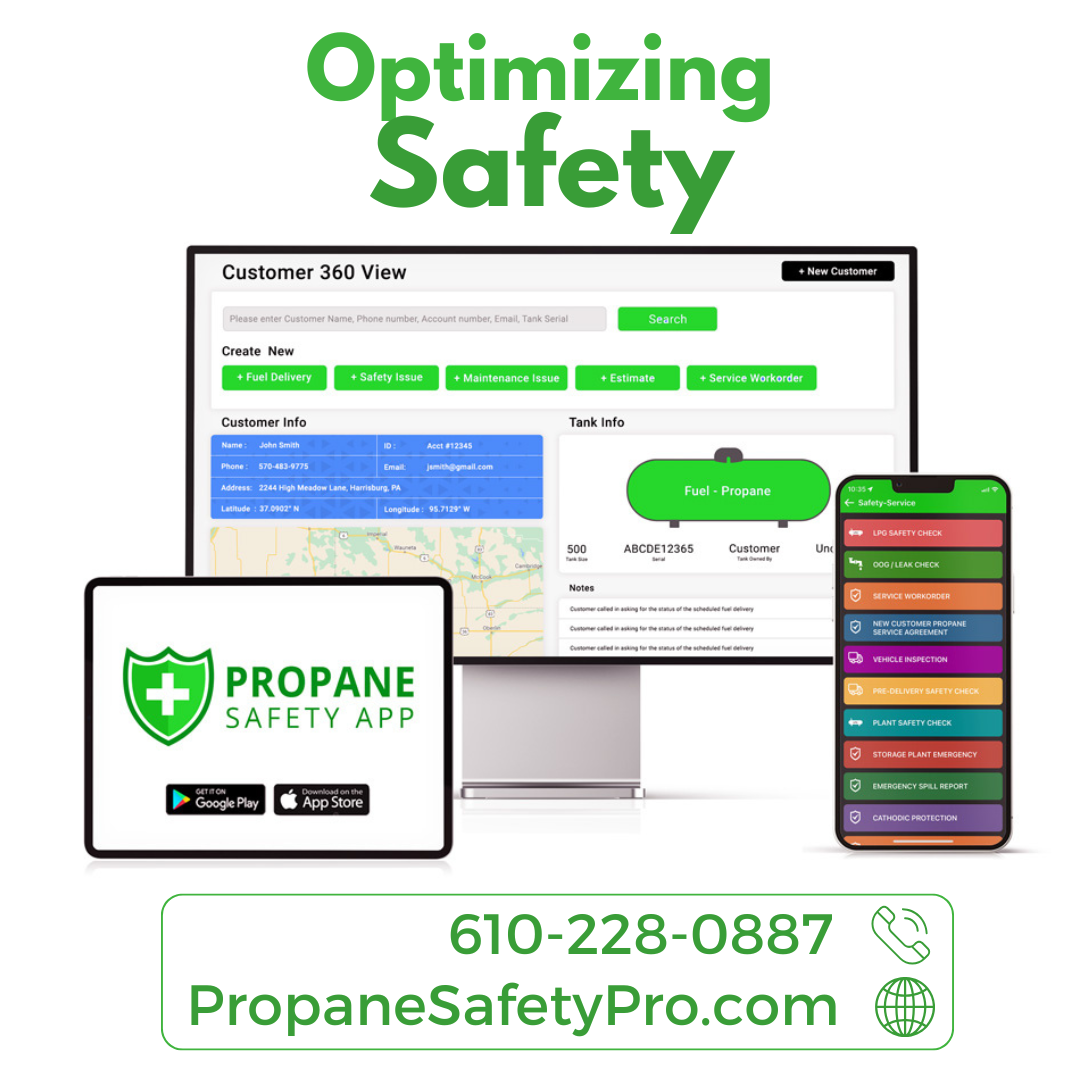
Modern field-service platforms allow companies to track deliveries, document inspections, manage compliance records, and improve communication across their operations. For customers, these investments often translate into better service, faster response times, and greater transparency throughout the relationship.
Looking Toward the Future
A supplier’s long-term vision can be just as important as its current capabilities. Companies investing in fleet modernization, digital infrastructure, renewable fuel opportunities, and operational efficiency are positioning themselves to adapt to future market changes.
As regulations evolve and customer expectations continue to rise, suppliers that embrace innovation are more likely to remain reliable partners. Aligning with organizations that are preparing for the future can help businesses avoid disruptions and maintain a competitive edge.
Building a Partnership, Not Just a Contract
Choosing a propane supplier is ultimately about more than securing fuel. It is about finding a partner capable of supporting safety, reliability, operational efficiency, and long-term business success.
Companies that carefully evaluate pricing transparency, delivery performance, safety practices, customer support, and technological capabilities often discover that the strongest partnerships deliver value far beyond the price per gallon. In an increasingly competitive market, those partnerships can become an important advantage for businesses seeking stability and growth.