September 12, 2025
Improving Accuracy in Propane Fuel Gauges
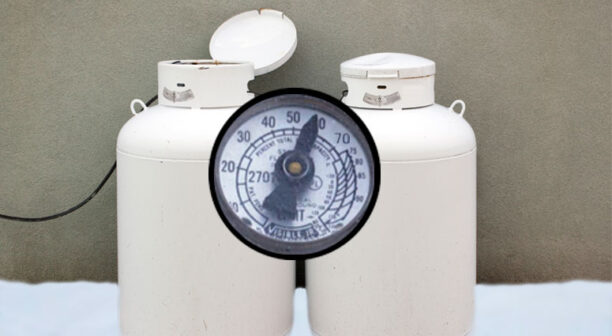
Propane businesses depend on accurate readings to manage deliveries, track inventory, and keep customers safe. One of the most important tools in this process is the fuel gauge. A propane tank gauge that has not been calibrated correctly can result in costly mistakes, from unnecessary service calls to missed refills that leave customers frustrated. Proper calibration ensures that readings are dependable, which helps both operations and customer relationships run smoothly.
Calibration is not a one-time task but an ongoing process. Tanks, gauges, and equipment all experience wear over time, and small changes can affect accuracy. By taking time to check and maintain fuel gauges, propane companies can avoid errors, reduce waste, and build stronger trust with the people they serve.
Why Calibration Matters
An inaccurate gauge can create problems at every stage of the propane supply chain. If a gauge shows more propane than what is actually in the tank, customers may run out of fuel unexpectedly. If it shows less, unnecessary deliveries might be scheduled, raising costs for both the company and the customer. Regular calibration ensures that readings reflect the actual amount of propane that is available at that time.
Establishing a Calibration Routine
Creating a routine for calibration helps propane businesses to make sure that gauges are checked consistently. Technicians should follow a clear schedule for inspections and adjustments, rather than waiting for errors to arise. Consistent routines not only keep gauges accurate but also provide records that can be used for compliance and accountability.
Training Technicians for Precision
Calibrating fuel gauges requires careful attention to detail. Proper training ensures that technicians know how to test gauges, identify issues, and make corrections safely. When technicians are confident in the process, the results are more reliable and consistent across the company. This training also reduces the risk of mistakes that could compromise safety or efficiency.
Using the Right Tools and Standards
Gauge calibration should always follow established standards and use proper tools. Specialized testing equipment allows technicians to measure propane levels precisely and adjust gauges correctly. Following industry standards ensures that calibration is done in a way that regulators, insurers, and customers can all trust to be accurate.
Keeping Detailed Records
Documenting each calibration is just as important as the process itself. Records provide proof that gauges are being maintained correctly and can protect a company in the event of disputes or inspections. They also allow managers to identify and track patterns, such as gauges that require frequent adjustment, which may signal the need for replacement.
Improving Customer Communication
Customers rely on propane companies to explain how their tanks are performing. By sharing information about gauge accuracy and the importance of regular calibration, businesses can strengthen trust and loyalty among their client base. When customers understand that their provider is taking extra steps to ensure accurate readings, they are more likely to feel confident in the service they receive.
Final Thoughts
For propane companies, accurate fuel gauges are more than a technical detail; they are a foundation of efficiency, safety, and customer satisfaction. By committing to regular calibration, providing technician training, and keeping detailed records, businesses will establish solid corporate routines that will serve to set them apart. These benefits include reduced errors, improved operations, and stronger relationships with their customers. Accurate gauges also lead to fewer emergency calls, better delivery planning, and improved confidence in the company’s reliability. In the long run, this attention to detail greatly helps propane businesses save money and stay ahead in a competitive industry.