August 19, 2025
Managing Out-of-Gas Calls: Safety and Operational Best Practices
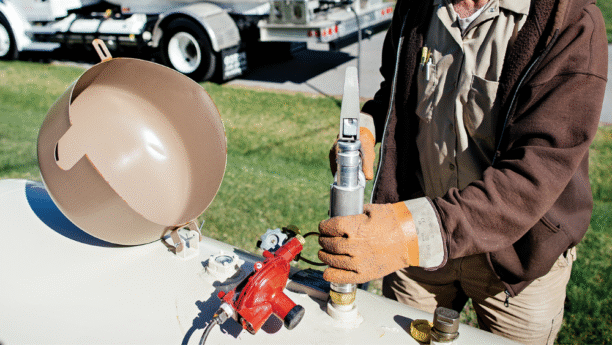
Out-of-gas incidents require immediate, careful handling. While some interruptions of service stem from simple supply issues, others can indicate leaks, appliance malfunctions, or unsafe system conditions. Timely and methodical responses will do much to protect customers, technicians, and company liability. They will also preserve customer confidence in your service reliability, a foundational component in any propane business.
The Safety Imperative
Any interruption of propane service must be treated as a potential safety risk. NFPA 54 requires that customers be notified whenever gas service is turned off and that a leak check be performed before service is restored. Delivery personnel must follow established company procedures and applicable codes when responding to out-of-gas reports.
When a Customer Calls
When a customer reports an out-of-gas condition, staff dispatching response teams should immediately instruct the caller to close all appliance valves and the tank or main shutoff valve in the fuel line. If feasible, arrangements should be made for the customer to be present at the time of the technician’s arrival so a leak check and safe service restoration can be completed.
On-Site Discovery During Routine Calls
If an out-of-gas situation is identified during a scheduled visit, the technician should:
✓ Inspect the tank or cylinder and verify that all appliance valves are closed.
✓ Pressurize the container to operating pressure or replace the empty cylinder.
✓ Test the container and connection points for leaks using an approved leak-detector solution.
✓ Perform a leak check following the company’s operating procedures.
✓ Refill the container and return the system to service only if all checks indicate that it is safe to do so.
Documenting each step and test result preserves a clear record of the actions taken and helps demonstrate compliance with all safety requirements.
When the Customer Is Not Present
If access to appliances is not possible because the customer is absent, technicians should follow conservative safety steps:
✓ Close the container service valve.
✓ Pressurize the container or replace the cylinder, and then check the container and connections with approved leak detection methods.
✓ Fill the container if safe to do so.
✓ Affix a conspicuous warning tag to the container service valve and leave a door notice explaining that gas service has been turned off and that the customer must call to arrange a leak check before their service will be reestablished.
These measures balance the need to secure the system with the regulatory obligation to notify affected users.
Reducing Repeat Interruptions
Minimizing out-of-gas calls serves to improve both safety and efficiency. Recommended practices include:
✓ Monitoring customer consumption patterns and flagging accounts with unusual usage.
✓ Anticipating seasonal or activity-driven increases in demand, such as cold weather or new appliances.
✓ Promoting preventive services such as “keep-full” programs, budget billing, and electronic liquid-level monitoring.
✓ Providing customers with simple guidance on checking tank levels and planning fills.
Training and Communication
Role-playing scenarios help staff prepare for varied customer interactions. Exercises that simulate repeat offenders, upset customers, or absence situations sharpen decision-making and reinforce clear, consistent messaging about safety and company policy. When customers resist required leak tests or associated fees, technicians and customer service representatives should explain that leak checks are mandatory under industry safety codes and company procedures.
Operational and Reputational Benefits
A structured approach to out-of-gas situations reduces safety risk, limits repeat service calls, and strengthens customer trust. Companies that document procedures, train personnel, and proactively manage accounts will be better positioned to prevent interruptions and to respond correctly if and when they do occur.
For further guidance and training resources regarding out-of-gas scenarios, be sure to visit the Propane Education & Research Council (PERC) website at propanesafety.com.