August 15, 2025
Insurance Costs Climbing? Here’s What the Smartest Operators Are Doing

The rising cost of insurance is hitting propane businesses hard. Whether you are running a single-location operation or managing a growing fleet, you’ve probably noticed that premiums have jumped in recent years. It’s not just the ever-increasing costs that are concerning; it’s also the demands insurers are placing on safety practices, reporting, and risk management.
This shift isn’t going away. Insurance carriers are more cautious than ever, especially in high-liability sectors like propane. But while you can’t control the insurance market, you can control how your company responds. Propane business owners nationwide are starting to make small, strategic changes that help them retain good coverage – and sometimes even lower their costs – by proving they run a safe, reliable operation. Here’s how you can do that too.
Building a Stronger Safety Culture
Reducing your risk profile is one of the best ways to keep insurance costs in check. That starts with safety. If your business has a solid track record of clean inspections, well-maintained equipment, and no major incidents, your broker has a much stronger case when negotiating with underwriters on your behalf.
Many propane companies are formalizing their safety training programs. That means documented checklists, scheduled driver refreshers, and well-managed systems for logging incidents and correcting issues. These don’t just help you with compliance; they also show your insurance company that you’re serious about overseeing and reducing risk. Even simple actions like ensuring that every truck has a fire extinguisher or that tanks are regularly inspected for leaks can make a difference when evaluating your risk score.
Using Tech to Track and Prove Compliance
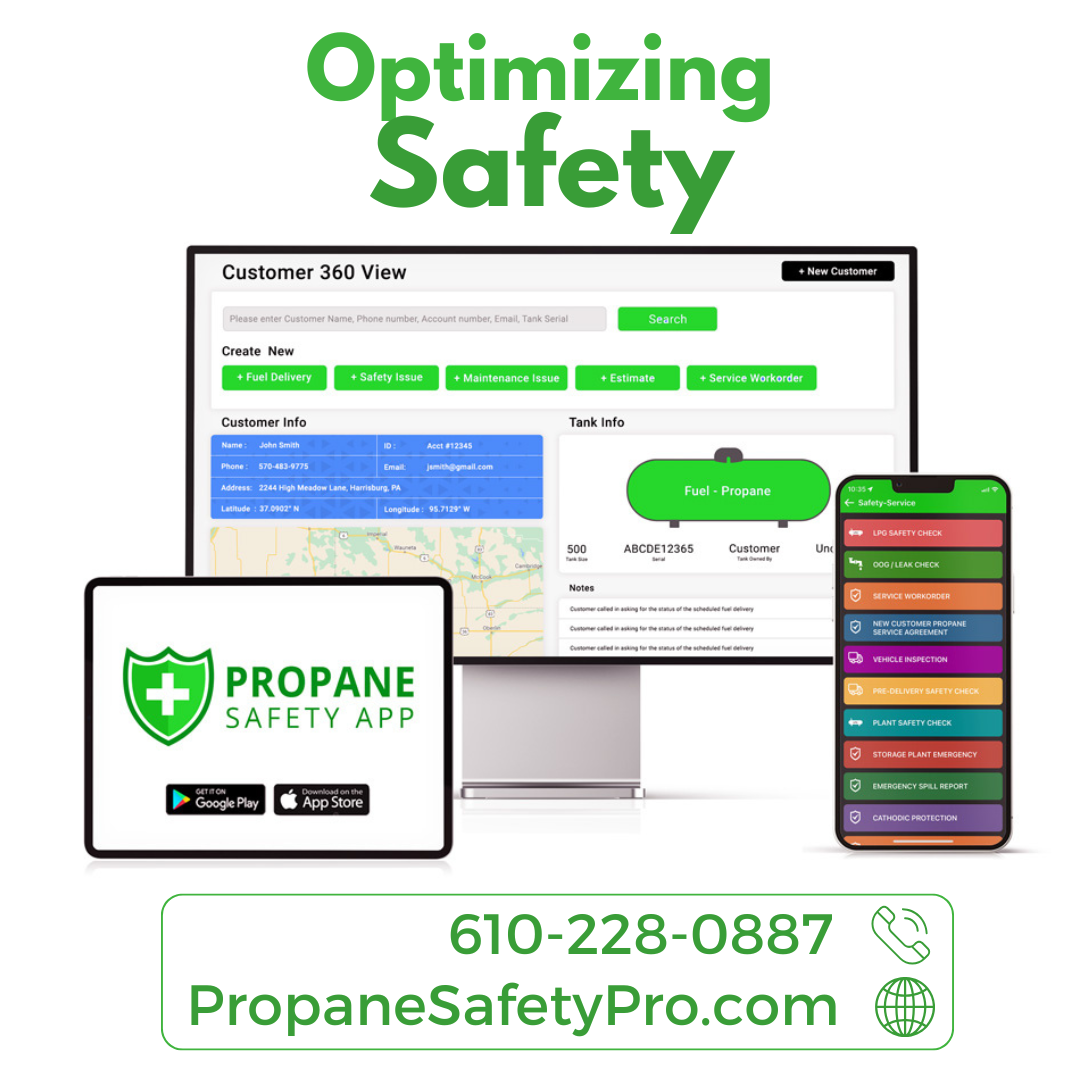
Insurers now expect hard proof, not just promises, of your safety efforts. More propane businesses are turning to software and apps that track driver behavior, monitor maintenance schedules, and log tank inspections. These systems can flag problems early on and give you a full report if you need to demonstrate to insurers proof of your safety procedures.
GPS tracking can also help in the case of accidents. If you can prove that a driver wasn’t speeding or operating recklessly, you might avoid a costly payout or lawsuit. That will do much to keep your premiums from rising even more at renewal time.
Documentation also matters a great deal. The more you can prove that your team is careful in following all safety procedures and protocols, the more confidence an insurer will have in your operation. And, that confidence will likely pay off in lower premiums.
Working With Your Agent Before You Grow
Adding new trucks, expanding your service area, or increasing delivery volume can all affect your insurance costs. That’s why smart owners talk to their agents before making big moves. If your agent knows what you’re planning, they can research how it will affect your premiums and what steps you should take ahead of time.
This proactive planning helps to avoid the surprise of unexpected price hikes when it’s time to renew your coverage. This practice also gives you time to adjust your safety procedures to match your growth, so you can be sure to remain in good standing with your insurance carrier.
Getting Quotes From More Than One Source
Even if you like your current provider, it’s worth the time and effort it takes to check with other carriers once a year. The propane market is unique; not all insurers understand your business similarly. Some might offer better rates if you’ve invested in tank monitoring technology or have a long track record without any claims. A good insurance broker who understands the propane industry can help you find a better, more suitable plan if your current rates start creeping too high.
Why Staying Ahead Matters
Insurance costs aren’t going down anytime soon, and the companies that take a passive approach will likely keep paying more every year. However, you can control your risk profile by taking small, yet strategic, steps – building a strong safety culture, keeping detailed records, and involving your agent in your plans.
Insurance is a necessary part of the propane business, but it shouldn’t eat into your profits more than it has to. Companies that invest in intelligent systems, train their teams regularly, and stay proactive with agents do much to keep their costs in check. Treating insurance like a key business tool – and not just another bill to be paid – gives you more power to protect your margins and grow with confidence.