July 21, 2026
NFPA 58 Updates Could Reshape Costs for Older Propane Tank Fleets by 2027
New Inspection Expectations Put Pressure on Compliance Systems
For propane operations managers, regulatory change rarely arrives all at once. It tends to build gradually through revisions, interpretations, and enforcement shifts that eventually reshape day-to-day field operations.
That is the direction many in the industry are watching with upcoming updates to NFPA 58, the Liquefied Petroleum Gas Code. While the final details are still evolving, early discussions suggest that inspection requirements for ASME tanks – particularly older residential units – could become more detailed and more frequent.
If adopted as expected, these changes could begin affecting operations as early as 2027, with direct implications for labor time, documentation practices, and long-term fleet management strategies.
A Closer Look at ASME Tank Inspections
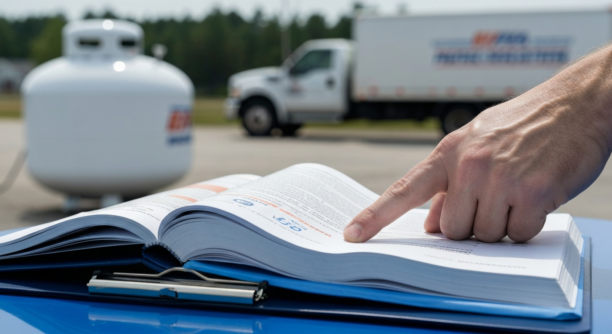
At the center of the proposed revisions is a stronger focus on ASME tank inspection standards. In many residential propane operations today, inspections are often performed during routine delivery stops. Drivers visually check tanks and surrounding equipment, document obvious issues when necessary, and proceed with service. That approach has long been considered practical for large residential routes where efficiency matters.
The updated direction of NFPA 58 appears to be moving toward more standardized and detailed inspection expectations. That includes clearer documentation of tank condition, more consistent recordkeeping practices, and greater emphasis on verifiable inspection history. For propane companies, that shift represents more than a procedural update. It signals a broader move toward formalized accountability across entire tank fleets.
Older Tanks May Require More Attention
One of the most significant operational considerations involves aging tank infrastructure. Older ASME tanks are expected to face increased scrutiny under the proposed changes. That could include more frequent inspections, additional documentation requirements, and in some cases more detailed assessments of structural condition or service life.
For companies with large legacy fleets, this creates a planning challenge. Even small increases in inspection time per tank can add up quickly across thousands of accounts, particularly during peak delivery seasons. This also raises long-term questions about replacement cycles, capital investment planning, and whether existing fleet composition aligns with future compliance expectations.
Documentation Standards Are Becoming More Demanding
Perhaps the most important shift is not just what technicians inspect, but how those inspections are recorded. Industry trends are moving away from informal or paper-based documentation and toward systems that provide clear, verifiable records. That includes time-stamped entries, photographic evidence, and location verification that can support audit requirements. In practical terms, this means inspection records are no longer just internal notes. They are becoming legal and regulatory documentation that must stand up to external review.
Operational Costs and Scheduling Pressures
Any increase in inspection requirements directly affects field efficiency. Longer inspection times mean fewer completed stops per route, which can impact delivery schedules during already tight winter operations. Additional documentation requirements can also extend time spent on site, particularly when technicians must capture detailed records for multiple tanks in a single stop.
On the administrative side, more detailed records also require stronger back-office systems to manage storage, retrieval, and audit preparation. Without efficient systems in place, the burden can quickly shift from the field to office staff, increasing workload across the organization. Over time, these changes may influence staffing models, route design, and investment in operational technology.
Risk, Compliance, and Financial Exposure
Regulatory compliance is not only an operational issue; it is also a financial one. Failure to meet evolving inspection standards can expose companies to fines, insurance challenges, and reputational damage. Even when violations are unintentional, inconsistent documentation can create complications during audits or incident investigations. As expectations increase, companies that rely on outdated systems may find themselves at a disadvantage compared to operators with structured, defensible inspection records.
Preparing Before Changes Take Effect
Although final NFPA 58 revisions are still in development, many operators are already reviewing their readiness. That preparation often begins with understanding current inspection practices and identifying gaps in documentation quality. It also includes evaluating fleet age profiles to anticipate where additional attention may be required.
Some companies are also beginning to model how small increases in inspection time could affect route capacity, staffing needs, and seasonal demand planning. Those early assessments can help avoid operational disruptions once requirements become formalized.
Technology Is Becoming Part of Compliance Strategy
As inspection and documentation requirements become more complex, many propane companies are turning to digital tools to support compliance efforts. Modern field platforms can streamline inspections by guiding technicians through standardized checklists while capturing photos, timestamps, and location data automatically. This reduces variability in reporting and helps ensure that records are complete and consistent across teams.
Turning Regulatory Pressure Into Operational Strength
While regulatory changes often create short-term challenges, they can also drive long-term improvements. Companies that invest early in stronger inspection processes, better documentation systems, and more structured fleet management often find that those improvements extend beyond compliance. They can improve efficiency, reduce errors, and create a clearer picture of asset condition across the entire business.
NFPA 58’s expected updates are still ahead, but the direction they are taking the industry is becoming clearer. For propane operators managing aging tank fleets, the companies that prepare now are likely to face fewer disruptions – and potentially gain a competitive advantage when new standards take effect.