
July 7, 2026
Satellite Tank Monitoring Expands Into Rural Propane Markets
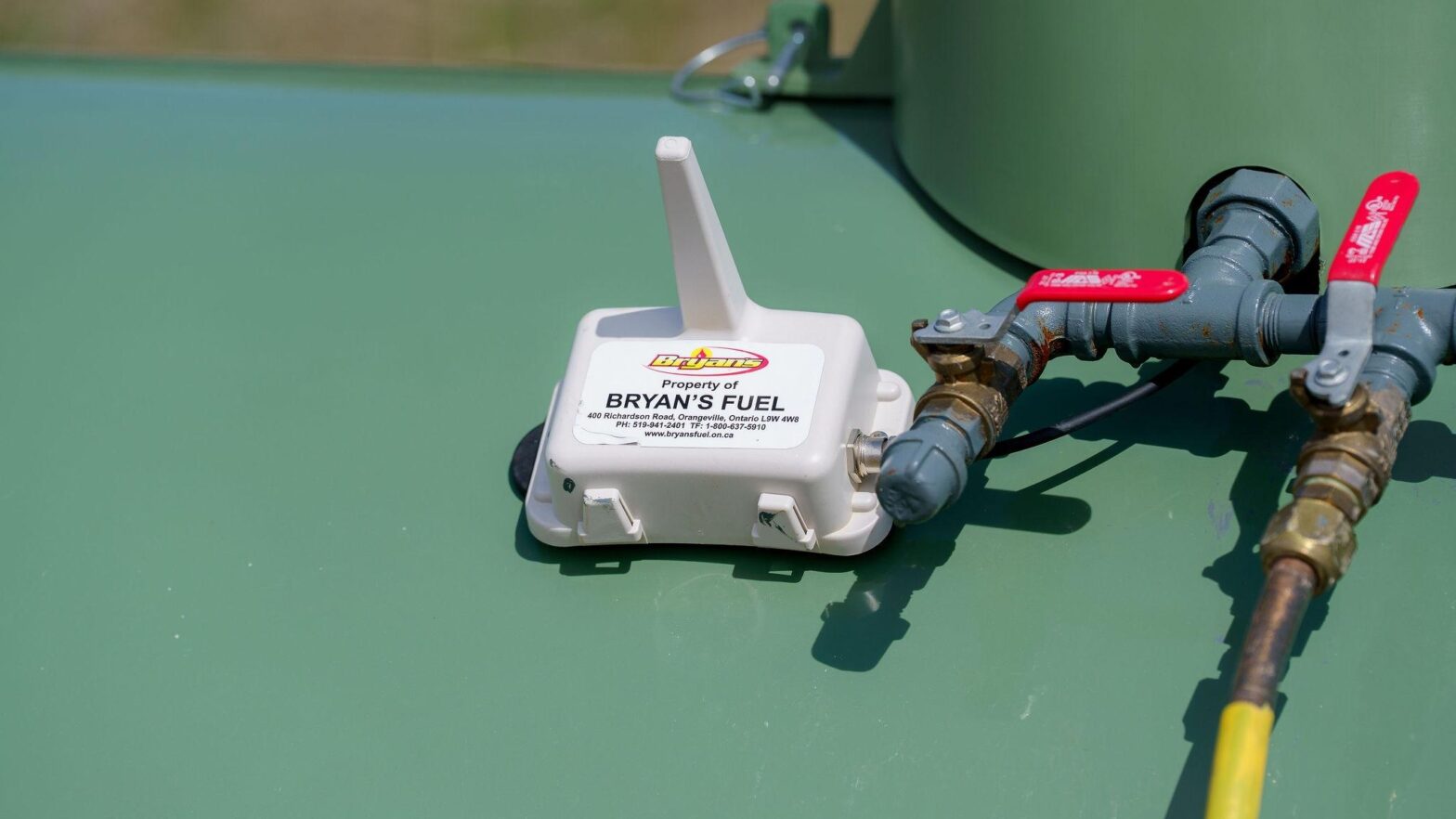
One‑Tank and Myriota launch Pulse platform designed for remote locations where cellular coverage falls short.
Propane marketers serving remote customers may soon have a new option for tank monitoring. One‑Tank, operating under LPG Tank Solutions, has partnered with satellite‑IoT provider Myriota to launch Pulse, a satellite-connected monitoring system that can transmit tank data from locations where cellular networks are unreliable or unavailable.
The system uses Myriota’s low-earth-orbit satellite network to send information such as fuel level, pressure, and temperature directly from the tank site. The companies say the low-power design allows the monitoring unit to operate for several years on a single battery, reducing the maintenance burden that often comes with traditional cellular-based telemetry systems.
A Different Approach to Remote Monitoring
For many propane distributors, tank monitoring works well in suburban and urban areas where cellular coverage is strong. Rural markets, however, can be a different story. Farms, cabins, vacation properties, and off-grid homes are often located in areas with weak signals, thereby forcing companies to rely on manual checks or estimated usage patterns.
Pulse is aimed directly at that challenge. By communicating through satellites instead of local cell towers, the system can continue reporting tank conditions even in isolated locations. The ability to monitor actual consumption rather than estimated demand could help dispatchers make more informed delivery decisions. “Our goal is to give propane marketers a reliable, cost-effective way to keep tabs on every tank, no matter how remote,” said John Carter, CEO of One‑Tank, in the launch announcement.
The Great Potential for Delivery Operations
For short-haul propane fleets, the biggest potential benefit is greater route efficiency. When dispatchers have accurate tank-level information, they can prioritize deliveries that are truly needed and avoid unnecessary stops. In regions where drivers may cover long distances between customers, even a small reduction in nonessential trips can translate into meaningful savings on fuel, labor, and vehicle wear.
Safety Benefits Beyond Scheduling
Continuous monitoring is not only about delivery timing. Tracking pressure and temperature trends can provide an additional layer of visibility into tank conditions. While telemetry does not replace physical inspections or required maintenance procedures, it can help operators identify unusual readings that may warrant a closer look from field personnel. Early awareness of abnormal conditions gives companies more time to respond before a minor issue becomes a larger operational or safety concern.
A Growing Trend in Propane Technology
Satellite-connected telemetry reflects a broader shift toward data-driven propane operations. As distributors face rising labor costs and tighter delivery schedules, technologies that improve visibility into the status and wellbeing of customer tanks are becoming increasingly attractive.
The economics may be especially compelling for companies with large rural territories. A monitor that operates for years without frequent battery replacements could reduce extra maintenance visits while extending monitoring coverage to locations that were previously difficult to connect.
The Bigger Picture
One‑Tank’s partnership with Myriota highlights how propane technology continues to evolve beyond traditional cellular monitoring. By extending telemetry into areas with limited connectivity, these innovative companies are targeting one of the industry’s longstanding operational challenges: managing remote tanks efficiently without sacrificing service reliability. For propane marketers, the question is no longer whether tank monitoring can improve operations. The question is whether new satellite-based systems can make comprehensive monitoring possible even for the most remote customers on the route.