July 3, 2026
NFPA Campaign Reinforces a Simple Truth: Safety Requires Constant Attention
New Initiative Highlights the Importance of Compliance, Training, and Documentation
The propane industry operates in an environment where safety is never optional. Every delivery, service call, inspection, and customer interaction carries great responsibility. That reality is at the heart of the National Fire Protection Association’s latest public awareness effort – a campaign titled, “Safety Doesn’t Happen by Chance.”
While the initiative is aimed at a broad audience, its message carries particular significance for propane marketers, operations leaders, and safety managers. At a time when regulatory scrutiny is increasing and legal claims related to safety incidents continue to make headlines, the campaign serves as a reminder that strong safety performance is the result of deliberate action, not simply good fortune.
Codes and Standards Remain the Foundation of Safe Operations
For decades, NFPA standards have helped shape how propane systems are installed, maintained, and operated throughout the United States. These codes were developed through years of industry experience, engineering expertise, and lessons learned from real-world incidents. The new campaign seeks to educate the public on an important concept that propane professionals understand well: safety codes exist because someone, somewhere, experienced the consequences of operating without them.
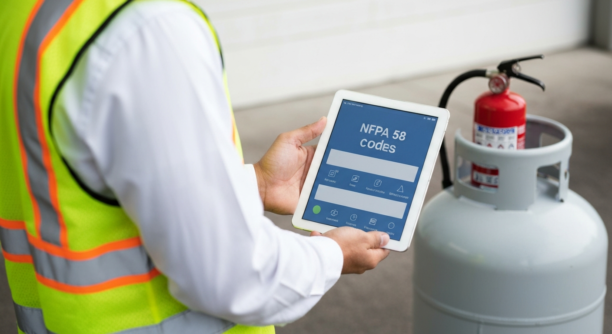
For propane companies, strict adherence to standards such as NFPA 58 is more than just a regulatory requirement. Rather, it is the key framework that supports safe deliveries, reliable equipment performance, and public confidence in propane as a desirable energy source.
Rising Expectations Are Changing the Safety Conversation
The industry’s safety responsibilities have not changed, but expectations surrounding documentation and accountability certainly have. Investigations following fires, explosions, and equipment failures increasingly focus on whether proper procedures were followed and whether those procedures can be proven through documentation. Regulators, insurers, and attorneys are paying closer attention to inspection records, maintenance histories, employee training files, and incident response procedures.
As a result, propane companies are finding that safety is no longer judged solely by the absence of accidents. It is also measured by their ability to demonstrate compliance through accurate and accessible records. Companies that cannot produce documentation when needed may find themselves facing challenges even when they believe they acted appropriately.
Training Is More Important Than Ever
One of the central themes of the NFPA campaign is consumer education, and that message resonates throughout the entire propane industry. Safety programs are only effective when employees understand not just what procedures exist, but why they matter. Drivers, service technicians, customer service representatives, and managers all play a vital role in maintaining a safe operation.
Regular training helps reinforce established procedures while keeping teams informed about evolving regulations and industry best practices. It also creates opportunities to discuss recent incidents, identify potential vulnerabilities, and strengthen safety awareness throughout the organization. The most successful propane companies view training as an ongoing process rather than an annual requirement.
Documentation Has Become a Competitive Asset
Historically, many propane companies relied heavily on paper records to document inspections, maintenance activities, and safety checks. While those systems may have met requirements in the past, today’s operating environment increasingly demands faster access to information and greater record accuracy.
Digital documentation platforms are becoming a valuable tool for companies looking to strengthen compliance efforts and improve operational efficiency. Electronic records, inspection photos, technician notes, and training histories all serve to create a more complete picture of a company’s commitment to safety.
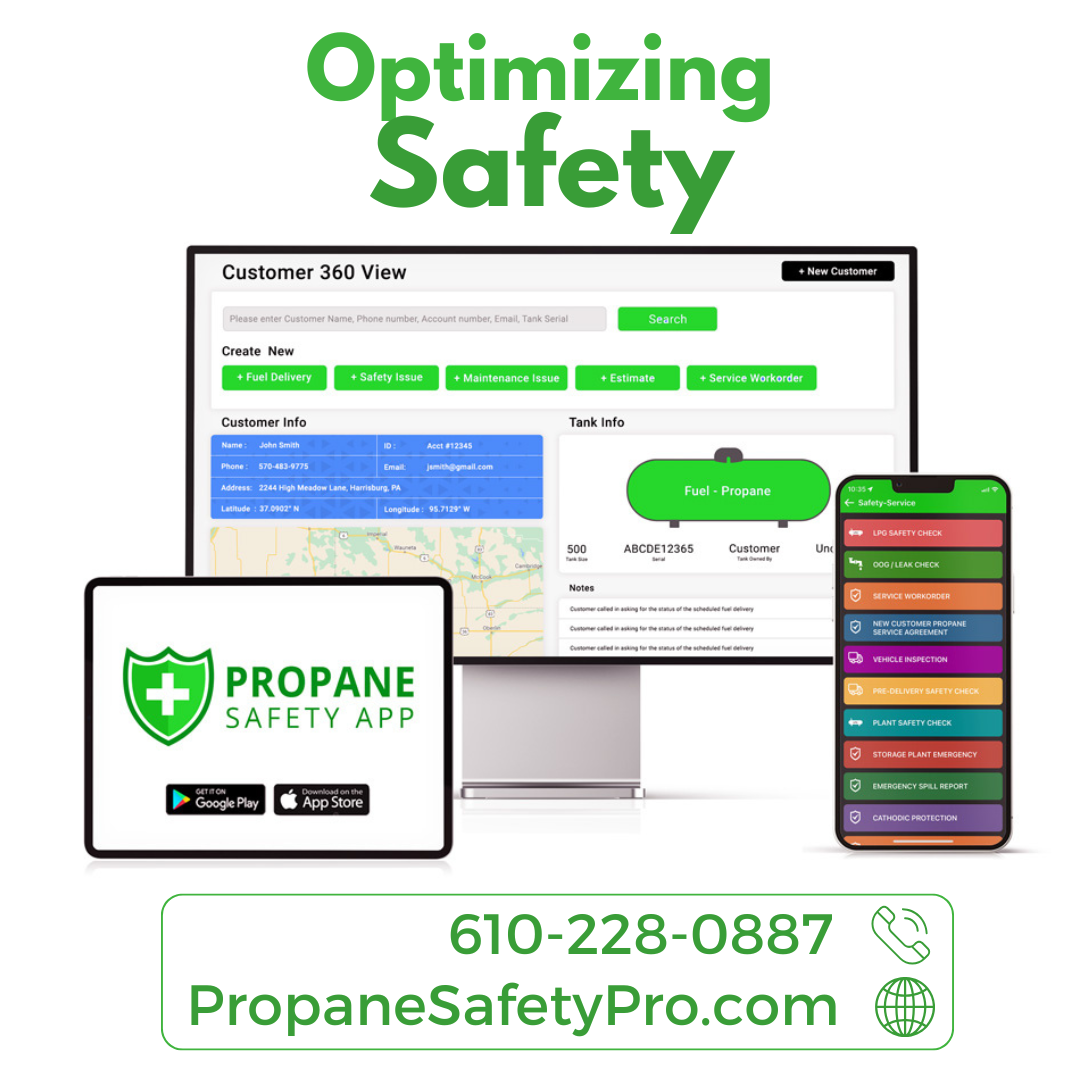
User-friendly digital solutions such as Propane Safety Pro are helping propane marketers organize and centralize their safety documentation, simplify record retention, and create stronger audit trails that can be readily accessed when regulators, insurers, or legal teams request vital information.
Safety Culture Starts at Every Level
A strong safety culture is not built through policies alone. It is created when leadership consistently prioritizes safety and employees understand that compliance is a critical component of every job description. From management meetings to field operations, the message must remain consistent: safety is an everyday responsibility.
Companies that successfully embed this mindset throughout their organizations often experience fewer incidents, stronger employee engagement, and greater customer trust. The NFPA campaign reinforces this principle by reminding both industry professionals and the public that safe outcomes are the product of preparation, training, and adherence to proven standards.
Looking Beyond Compliance
For propane marketers, safety is often discussed in terms of regulatory requirements. However, the benefits extend far beyond avoiding citations or passing inspections. Strong safety programs protect employees, customers, assets, and company reputations. They reduce operational disruptions, strengthen relationships with regulators, and demonstrate professionalism within the communities propane companies serve.
As the industry continues to face evolving regulations and increasing scrutiny, the NFPA’s message arrives at an important moment. Safety does not happen by chance. It happens because companies commit to doing the right things consistently, documenting their efforts thoroughly, and investing in the people responsible for carrying those standards into the field every day.