June 12, 2026
California Tank Emergency Raises Fresh Safety Questions for Propane Operators
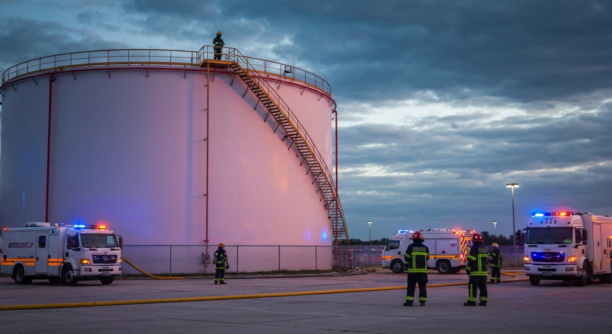
Massive Evacuation After Southern California Chemical Tank Threat
A recent hazardous materials emergency in Orange County, California, is putting renewed attention on one of the most serious risks facing any company that stores or transports pressurized fuel: a BLEVE, or Boiling Liquid Expanding Vapor Explosion.
The incident began when emergency crews responded to a leaking industrial chemical tank that started showing signs of dangerous internal pressure buildup. Officials feared the tank could rupture, triggering a catastrophic explosion capable of sending debris and fire across a very broad area. Nearly 50,000 residents were evacuated as firefighters worked around the clock to cool the tank and stabilize the site.
While the tank involved contained industrial chemicals rather than propane, the event has become a wake-up call for propane marketers and delivery companies across the country. The physics behind a BLEVE are similar regardless of the fuel involved – and the potential consequences can be devastating.
What Is a BLEVE – and Why Does It Matter?
A BLEVE occurs when a pressurized tank holding a liquid above its boiling point suddenly ruptures. Once pressure is released, the liquid rapidly flashes into vapor, often creating a violent explosion and fireball. For propane companies, the risk is well understood. Tanks exposed to excessive heat, structural failure, corrosion, impact damage, or overpressure conditions can become vulnerable if safety systems fail or maintenance lapses occur.
Industry experts say the California emergency highlights an important reality: catastrophic events rarely come from a single mistake. Instead, they usually result from multiple small failures that build up over time. That awareness is especially important for propane delivery businesses operating bulk plants, bobtails, and residential storage systems.
Why Small Propane Companies Should Pay Attention
For independent propane retailers and local delivery operations, a major tank incident can create far more than repair costs.
A serious event can lead to:
• Emergency shutdowns
• Regulatory investigations
• Expensive lawsuits
• Insurance premium increases
• Long-term reputational damage
• Lost commercial accounts
Even incidents that stop short of an explosion can disrupt operations for weeks. In the California case, authorities deployed large-scale emergency response resources and established evacuation zones while crews monitored the tank’s stability. The event demonstrated how quickly a localized equipment issue can become a regional public safety crisis. For propane businesses serving residential neighborhoods, schools, farms, and commercial facilities, maintaining one’s public trust is just as important as maintaining one’s equipment.
The Biggest Risk Factors Propane Operators Face
Safety professionals say several common issues continue to contribute to tank-related incidents across the fuel industry. These include:
• Aging Equipment: Older tanks, valves, and fittings are more susceptible to corrosion, fatigue, and seal failures – especially in harsh weather environments.
• Incomplete Inspection Programs: Missed inspections or inconsistent documentation can allow small issues to go unnoticed until they become major hazards.
• Driver and Technician Fatigue: Busy heating seasons often push crews into long hours, increasing the likelihood of oversight during inspections, deliveries, or maintenance checks.
• Poor Emergency Planning: Some companies still rely on outdated response procedures that may not reflect current fleet sizes, customer density, or local fire department coordination.
What Proactive Retailers Are Doing Now
Many propane marketers are using incidents like the California emergency as an opportunity to reassess their own safety systems before peak winter demand arrives. Common steps they are implementing include:
• Reviewing Tank Integrity Records: Operators are auditing inspection histories, pressure relief valve replacements, and corrosion-control programs to identify high-risk assets.
• Updating Emergency Response Procedures: Leading companies are conducting tabletop exercises with local fire departments and reviewing evacuation communication plans for worst-case scenarios.
• Increasing Field Training: More businesses are reinforcing NFPA 58 procedures with drivers and technicians, especially around heat exposure, tank damage recognition, and leak response.
• Investing in Digital Documentation: Electronic inspection records and maintenance tracking systems help companies respond faster during audits, insurance reviews, or emergency events.
Safety Is the Smartest Growth Strategy
Insurance carriers, municipalities, and commercial customers are increasingly scrutinizing propane suppliers’ safety practices before awarding contracts. Companies with strong compliance systems, documented inspection histories, and proactive maintenance programs are often better positioned to:
• Win municipal and commercial bids
• Reduce insurance risk exposure
• Improve customer confidence
• Minimize downtime during emergencies
In today’s market, safety is no longer just a regulatory obligation. It has become a business differentiator.
Prevention Must Be a Priority
The Orange County tank emergency may not have involved propane, but the lessons apply directly to the propane industry. For fuel companies, the message is clear: prevention matters more than ever. Regular inspections, strong training programs, and updated emergency planning are highly critical to protecting employees, customers, and the long-term stability of the business. As fuel demand rises and communities grow denser, propane operators that prioritize safety and preparedness will be in the strongest position to earn their customers’ trust – and keep it.