May 19, 2026
Smart Meter Technology Is Reshaping Propane Delivery Operations
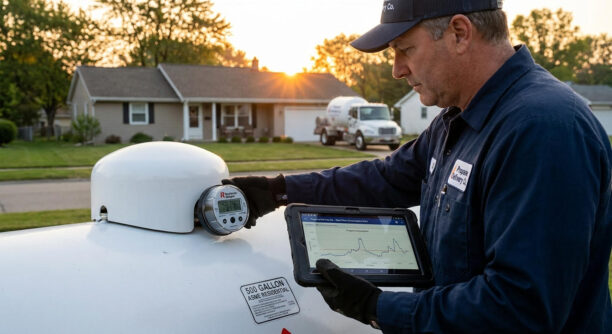
Electronic meters are quickly becoming the new standard in the propane industry, offering small delivery businesses a practical way to improve accuracy, safety, and efficiency. For operators managing tight margins and growing compliance demands, this shift is more than a tech upgrade; it’s a strategic advantage.
Why Mechanical Meters Are Falling Behind
For decades, mechanical meters have been the backbone of propane measurement. However, they unfortunately come with multiple drawbacks – wear and tear, limited precision, and the potential for billing errors.
Electronic meters address these issues by delivering highly accurate, consistent readings. Instead of rough estimates, businesses can track fuel usage in fine detail, thereby helping to ensure that customers are billed correctly and fairly. For small companies especially, that accuracy directly impacts revenue. Even minor measurement errors, repeated across dozens of deliveries, can lead to significant losses over time.
Real-Time Data Brings Better Control
One of the biggest advantages of electronic meters is access to real-time information. Operators no longer have to rely solely on manual checks or customer calls to understand usage patterns.
With digital systems, managers can:
• Monitor tank levels remotely
• Identify unusual consumption trends
• Plan deliveries based on actual demand
This level of visibility allows businesses to operate more efficiently. Instead of reacting to problems, teams can anticipate needs and adjust schedules accordingly, thereby reducing missed deliveries and unnecessary trips.
Improving Safety and Compliance
Safety remains a top concern in propane delivery, and electronic meters add an important layer of protection. These systems can quickly flag irregularities such as sudden drops in fuel levels or unexpected spikes in usage – both potential signs of leaks or equipment issues. Early detection allows for faster response, which can do much to prevent accidents and reduce liability.
In addition, as industry regulations around emissions and leak prevention continue to tighten, having accurate, automated records helps businesses stay compliant without increasing their administrative workload.
Operational Benefits for Small Fleets
For short-haul delivery companies, the operational gains can be significant, including:
• Fewer service calls: Remote monitoring reduces the need for on-site inspections.
• Lower fuel costs: Better route planning cuts down on unnecessary mileage.
• Stronger customer relationships: Accurate billing builds trust and reduces miscommunication and disputes.
• Better decision-making: Reliable data helps owners plan inventory and staffing more effectively.
Consider a small fleet making daily residential deliveries. By using real-time data to optimize routes and timing, that company can greatly reduce their overtime hours and fuel usage while improving service reliability.
Touchpoints for Business Owners
• Electronic meters provide more accurate and reliable measurement than mechanical systems.
• Real-time monitoring improves efficiency and reduces operational costs.
• Enhanced data visibility supports safer operations and easier regulatory compliance.
• Small propane businesses can especially gain a competitive edge by adopting smarter technology.
The Bottom Line
The move toward electronic metering is accelerating across the propane industry, and for good reason. These systems give businesses clearer insight into operations, reduce costly errors, and support safer, more efficient delivery practices. For small propane companies, investing in smart meter technology isn’t just about keeping up with the big players – it’s about running a more controlled, profitable, and future-ready operation.