May 19, 2026
Propane Railcar Vapor Leak in Connecticut Triggers Multi-Agency Hazmat Response
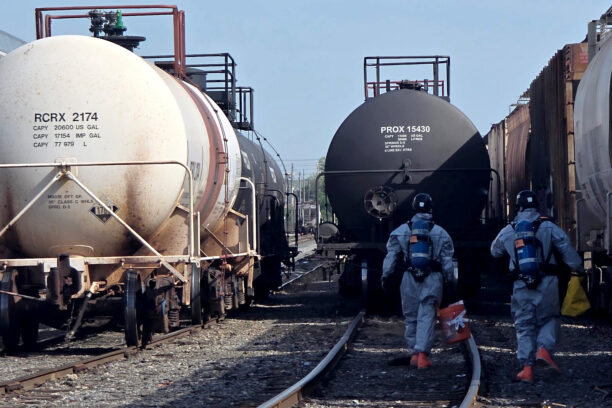
A late-night propane leak at a bulk distribution facility in Southington, Connecticut, is serving as a reminder of how quickly rail car incidents can escalate – even when they are ultimately contained without injuries or evacuations. For propane companies that handle rail deliveries or operate bulk plants, the event underscores the importance of strict monitoring, documentation, and compliance at every stage of transfer and storage.
What Happened in Southington
On May 6, 2026, at approximately 10:52 p.m., the Southington Fire Department responded to a reported propane release at a bulk distribution facility on Birch Street. A worker on site first identified the issue involving a propane railcar connected to the facility’s operations.
When firefighters arrived, they confirmed an active leak and observed a visible vapor cloud inside the structure. Because of the potential risk, additional mutual aid units from neighboring departments joined the response, along with the Connecticut Department of Energy and Environmental Protection and a company representative. These first responders worked together to isolate the source of the leak and bring the situation under control. Thankfully, the incident was ultimately contained without injuries, evacuations, or impacts to surrounding roadways.
Why This Incident Got Attention
Even though the outcome was controlled, the presence of a vapor cloud inside a bulk facility immediately elevates the seriousness of an event like this. Propane vapor is heavier than air and can accumulate in confined or partially enclosed spaces, creating ignition risks if not quickly ventilated and controlled.
Railcar transfers add another layer of complexity because they involve higher volumes of product, multiple connection points, and coordination between transportation and facility safety systems. For regulators, insurers, and safety officials, these are the types of events that trigger deeper review – even when no damage or injuries occur.
Compliance Pressure at Bulk Facilities
Incidents like the one in Southington often bring multiple regulatory frameworks into focus at the same time. Bulk propane facilities are expected to follow NFPA 58 requirements, including procedures for vapor monitoring, emergency shutoff systems, and documented employee training. At the federal level, rail transport and tank car integrity fall under PHMSA and DOT regulations, including inspection and maintenance standards for pressure vessels in transit.
In Connecticut, release reporting requirements under state environmental statutes can require rapid notification to regulators depending on the size and nature of the release. Even short-duration vapor events can trigger reporting obligations if they meet threshold criteria. For facilities covered under the EPA Risk Management Program, propane storage quantities can also determine whether additional hazard analysis and prevention planning is required.
The Insurance and Operational Reality
Even when a propane release is quickly controlled, insurers often treat bulk facility incidents like this one as high-risk events. That can lead to increased scrutiny during policy renewals, requests for expanded documentation, or higher premiums over time.
The reason is simple: bulk operations involve concentrated product storage and transfer, meaning a single equipment failure or procedural gap can escalate quickly if not detected early. For operators, that means every transfer from railcar to storage tank is not just an operational task – it is a documented compliance event that may be reviewed later if something goes wrong.
Valuable Lessons for Propane Companies
The Southington incident highlights several operational realities for bulk plant and rail-served facilities. Vapor detection, isolation procedures, and emergency response coordination all worked as intended in this case, preventing escalation.
But it also reinforces how important it is for operators to ensure that:
• Written procedures are current and actively followed during transfers.
• Employees are trained to identify and respond to vapor releases immediately.
• Emergency shutoff systems and isolation valves are regularly tested.
• All transfer activities are documented in a way that can withstand regulatory or insurance review.
The Bottom Line
Even contained propane vapor releases at bulk facilities can trigger multi-agency emergency responses and regulatory attention. Railcar transfers add operational complexity that requires strict adherence to NFPA, DOT, and state-level reporting requirements. Insurance carriers and regulators often evaluate these incidents based not only on outcome, but on documentation, response time, and procedural compliance.
This incident ended without injuries or evacuations, but it illustrates a broader reality for propane bulk operators: safety systems are only part of the equation. Documentation, training, and procedural discipline are just as critical when it comes to managing risk in rail-connected facilities. For companies operating bulk storage sites, the expectation is clear – every transfer must be treated as a controlled, traceable operation where nothing is left to assumption or chance.