April 21, 2026
Tackling Labor Shortages in Propane
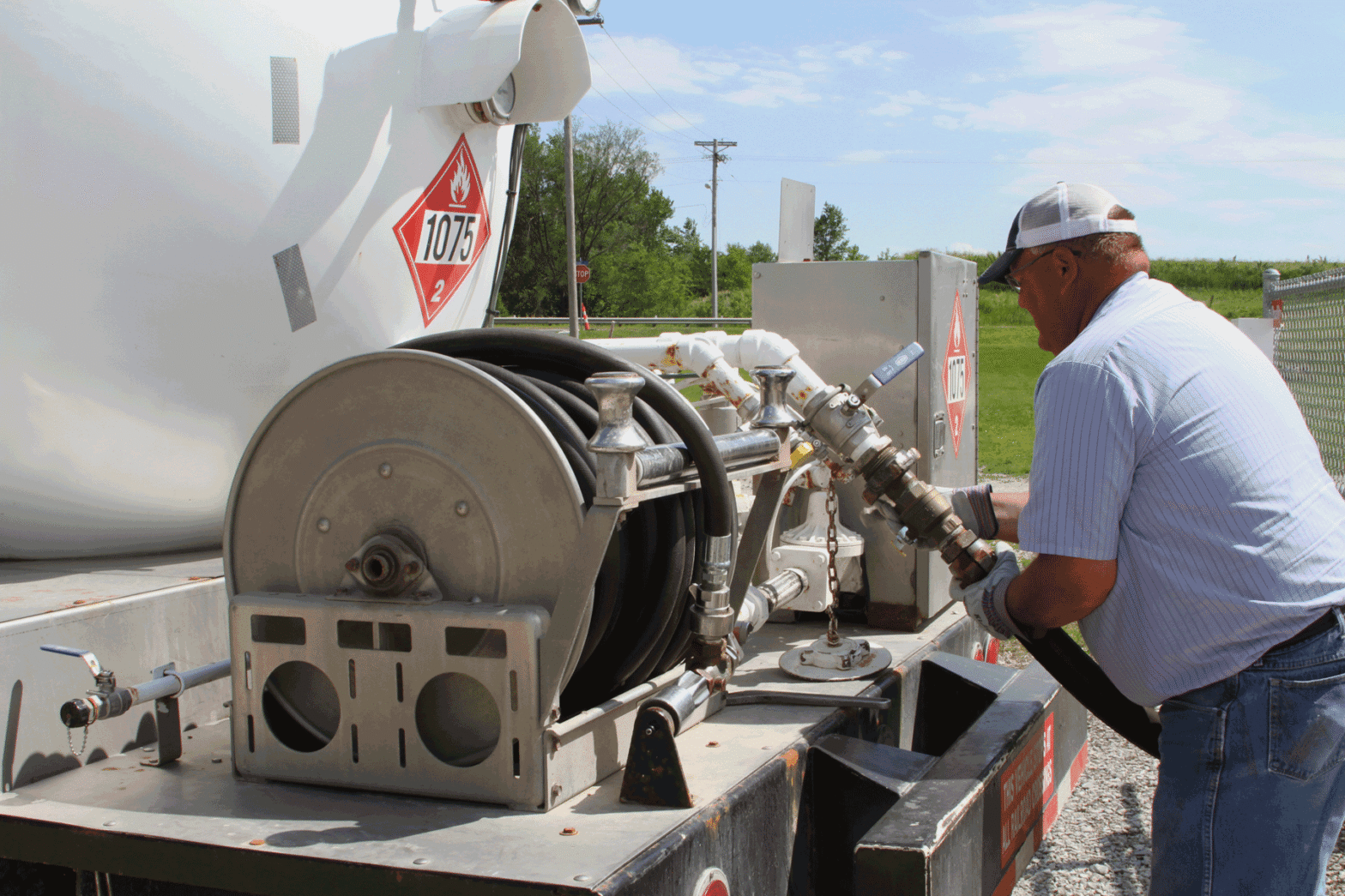
Labor shortages pose a significant challenge for many industries, including propane. Addressing this issue effectively is crucial for maintaining consistent, steady operations and supporting growth. Here’s a detailed exploration of proactive strategies that propane businesses can employ to manage labor shortages effectively.
Enhancing Recruitment Efforts
One of the first steps in combating labor shortages is to bolster recruitment efforts. Propane businesses can widen their search for candidates by partnering with vocational schools, attending career fairs, and utilizing online job portals. Offering competitive salaries and benefits is also a vital step to attracting more qualified applicants.
Streamlining Hiring Processes
Simplifying the hiring process can reduce the time it takes to fill positions. This might involve reducing the number of interviews, improving communication with candidates, and using software to manage applications more efficiently. A streamlined hiring process can do much to capture the interest of the best candidates before they move on to other opportunities.
Investing in Employee Training
Developing a robust training program can broaden your pool of potential employees. By training staff internally, you can equip them with more specific skills needed for the propane industry. This approach also helps retain current team members, as they may feel a greater sense of loyalty and job satisfaction from investing in their skills. When employees have access to consistent professional development, they envision themselves growing along with the company, and the need for outside hiring is reduced.
Utilizing Technology
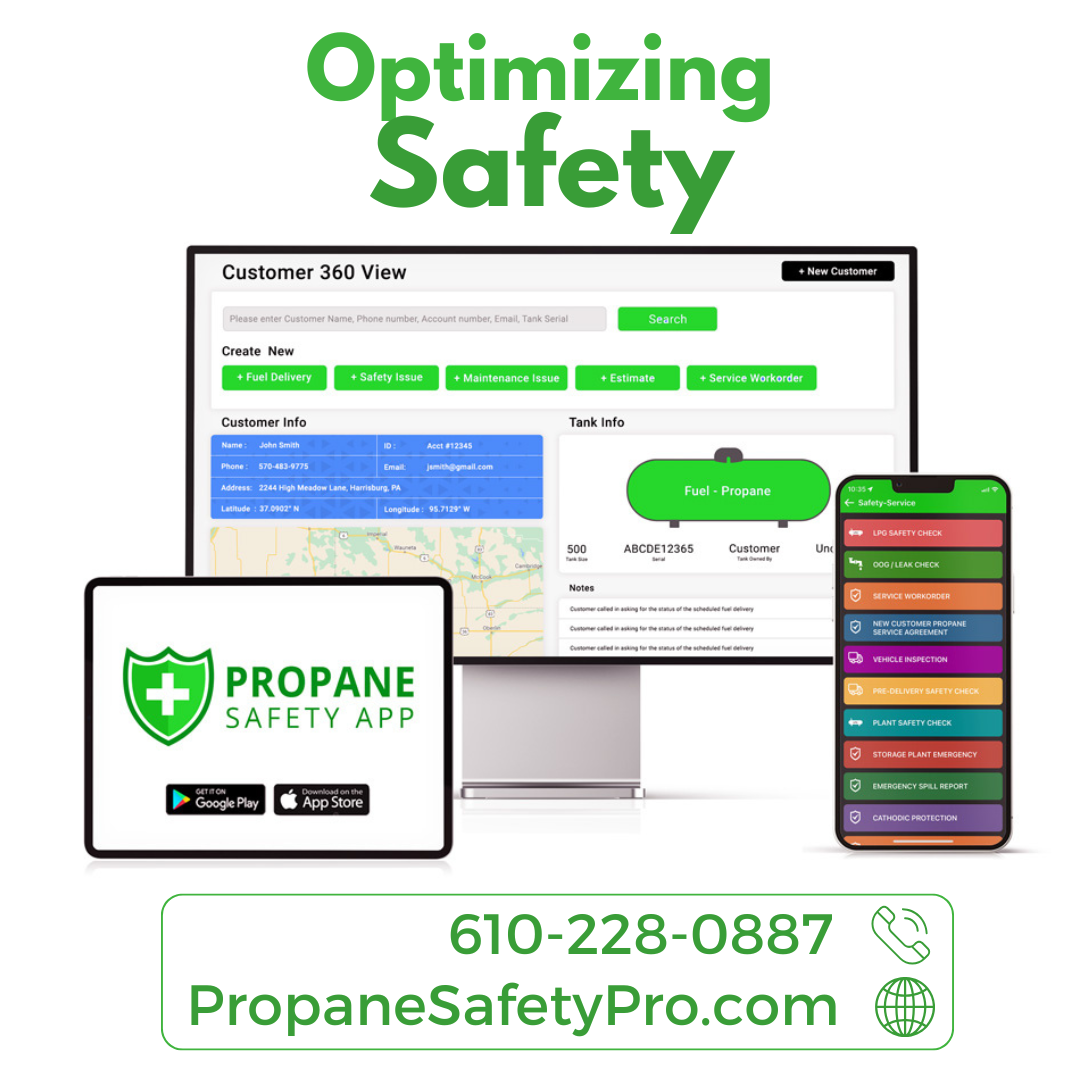
Technology can help mitigate labor shortages by improving efficiency across your entire operation. Automating certain processes – like scheduling, route optimization, and inventory management – can allow you to manage more with less staff. Technology can also help remotely monitor propane tanks, thereby reducing the need for frequent visits and the trucks and staff required to carry out those tasks.
Creating a Positive Work Environment
A supportive and upbeat corporate work culture can go a long way in improving employee retention. Consistent constructive feedback, staff recognition programs, and regular opportunities for advancement can increase job satisfaction and team loyalty. Keeping employees satisfied and engaged reduces turnover and the need for constant recruitment.
Flexible Work Arrangements
Offering flexible schedules, part-time positions, or remote work opportunities makes your propane business more attractive to a broader range of job seekers. This workforce flexibility especially appeals to millennials and Gen Z workers, who often value a better work-life balance.
Collaborating with the Community
Engaging with local communities can help build a sustainable workforce. Initiatives like offering scholarships, internships, or apprenticeships can encourage local talent to consider careers in the propane industry. Community engagement also improves your business’s public image, making it a more attractive place to work.
Consider having a booth at your community college’s job fair, sponsoring a local sports team, or providing the propane for a regional hot air balloon festival. Measures of this sort spread awareness of your company and can help you become top-of-mind with those who are looking for jobs within the fuel sector.
Impact on Propane Businesses
Effectively managing labor shortages allows propane businesses to maintain operational efficiency and customer satisfaction. It also positions your business as a desirable employer in the community, thereby enhancing your ability to attract and retain the best talent. Overcoming these challenges supports your current operations and paves the way for future growth and stability. By implementing these key strategies, propane businesses can turn the challenge of labor shortages into an opportunity for improving their operations and enhancing their workforce. This proactive approach can lead to a more robust, efficient, and competitive business.