March 13, 2026
Safety Culture Isn’t Optional – It’s Your Competitive Advantage

Propane safety and compliance are no longer just checklist items – they’re strategic assets that do much to protect your people, your margins, and your reputation. While there hasn’t been a single blockbuster regulatory overhaul recently, several ongoing developments underscore how safety expectations are evolving and why propane companies – from delivery fleets to plant operations – need disciplined, proactive approaches this year. Whether you’re managing drivers, training technicians, or briefing executive leadership, safety has become a continuous journey, not a box to be ticked.
Safety Standards Are Shifting – Know What’s Ahead
Codes that impact propane businesses continue to evolve. The 2024 editions of NFPA 58 and NFPA 54 brought updated requirements into effect, including annual documented leak‑checks and operator training for mobile LP gas systems (like food trucks) – an area that’s drawing more attention from code professionals and regulators alike.
At the same time, compliance authorities overseas, such as Ontario’s Technical Standards and Safety Authority (TSSA), are rolling out risk‑based compliance standards that prioritize high‑risk non‑compliances during inspections. While this particular standard applies to Canadian facilities, it reflects a broader trend: regulatory bodies around the world want to see clear evidence that safety risks are being identified and mitigated before inspectors walk in.
What this means for propane companies in the U.S. is that safety culture is no longer inferred from sporadic checks or sporadic training. Rather, regulators, insurers, and customers alike expect consistent, documented, and measurable performance.
Training Evolution: New Models Replace Old Ones
The Certified Employee Training Program (CETP) – a longstanding industry staple – is being replaced by the PERC Education Program (PEP), a modular, role‑based training framework that aligns training with actual job duties. Instead of one broad program, employees complete focused modules that address the specific tasks they perform, thereby improving relevance and retention.
This shift has meaningful operational implications:
Delivery drivers get targeted instruction on handling cylinders, leak checks, and site safety rather than redundant general content.
Service technicians benefit from skill‑specific pathways that reflect real field conditions.
Safety managers gain access to accreditation‑backed training, which aligns with compliance expectations and reduces regulatory risk.
For companies strategizing workforce development, this evolution provides a way to structure ongoing learning with clearly trackable outcomes – which both auditors and insurers increasingly view as best practice.
Embed Safety in Daily Operations, Not Just Quarterly Audits
Industry coaches and safety leaders are increasingly urging propane companies to build living compliance systems rather than static manuals. A robust policies and procedures manual is essential – but only if it’s regularly reviewed and updated as practices and code requirements change. Frequent revision ensures that new hires are trained correctly and experienced staff aren’t operating under outdated assumptions.
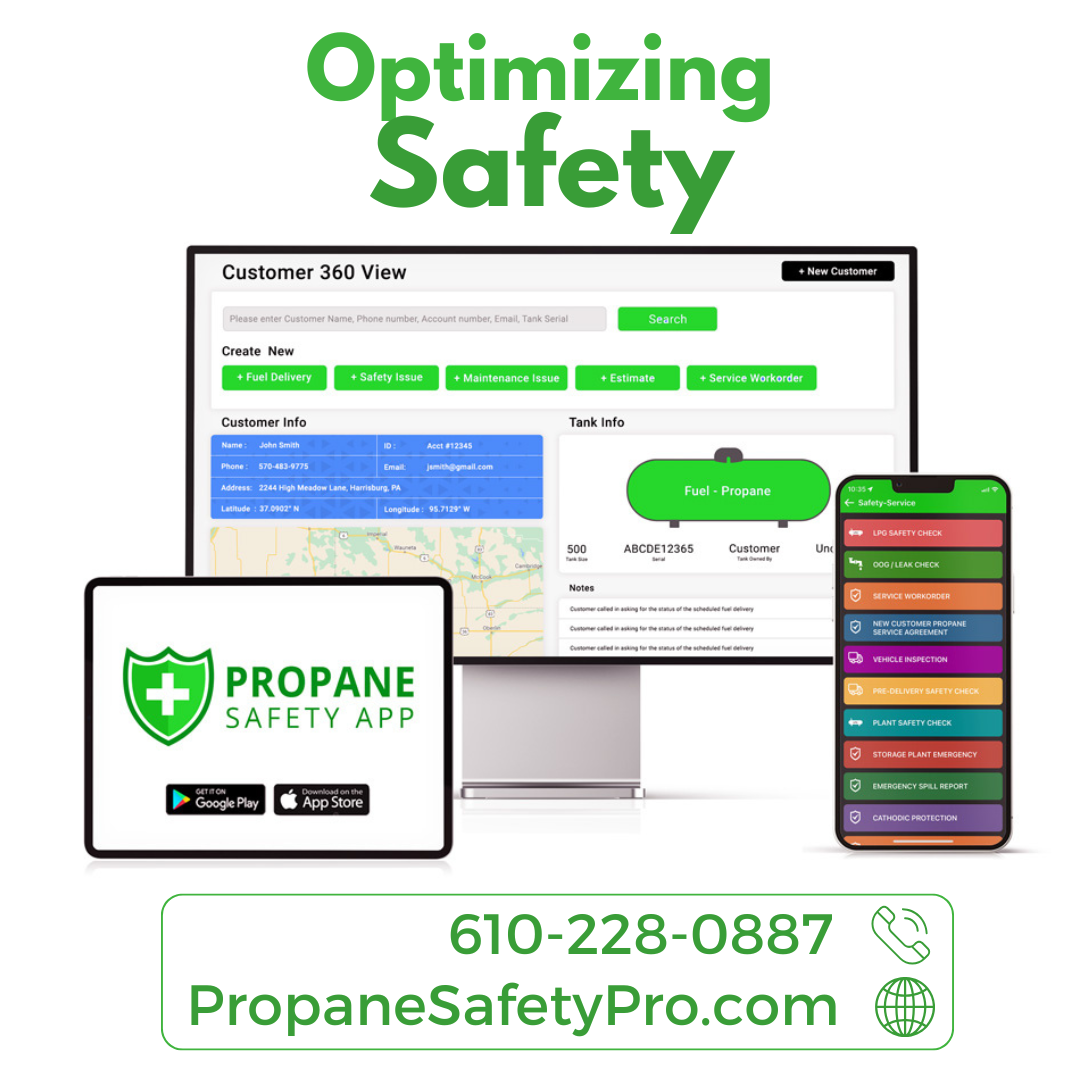
Beyond documentation, digital recordkeeping, internal mock audits, and regular refresher training are now considered baseline expectations, not optional extras. Proactive companies find that these practices reduce surprises during inspections and help teams respond confidently under pressure.
Moreover, webinars and recorded training sessions from safety organizations provide real‑time insights into documentation best practices, regulatory shifts, and new compliance tools, helping companies stay one step ahead year‑round.
From Risk Management to Business Strength
A strong safety culture does more than protect you from fines or shutdowns. It supports operational reliability, improves employee retention, and builds trust with customers, regulators, and insurers. When drivers, technicians, and managers understand that safety protocols aren’t burdensome but protective, performance improves across the board.
Safety isn’t a layer on top of operations; it’s the foundation of consistently successful propane businesses in 2026 and beyond. Companies that invest in daily safety habits, modern training frameworks, and living compliance systems will find themselves better prepared for future code changes, stronger in regulatory discussions, and more resilient when unexpected challenges arise.