February 10, 2026
Building a Safety Culture: Training Teams Beyond Compliance
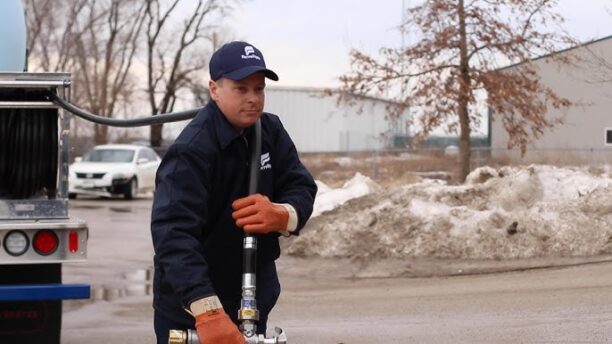
Safety has always been a cornerstone of the propane industry, but today’s operational environment demands more than regulatory compliance alone. While formal training programs and certifications are essential, true safety performance is shaped by corporate culture – how teams think, communicate, and act when no checklist is present. For propane companies, building a strong safety culture means embedding safety awareness into daily operations, decision-making, and accountability at every level of the organization.
As operations grow more complex and workforce challenges persist, companies are recognizing that compliance-based training, while necessary, is not sufficient on its own. A culture-driven approach to safety helps reduce incidents, improve morale, and create a more resilient organization.
Moving Beyond Minimum Standards
Compliance-focused training often emphasizes rules, procedures, and regulatory requirements. While these elements are critical, they can unintentionally frame safety as an obligation rather than a shared responsibility. Employees may follow protocols without fully understanding the risks behind them or the consequences of small deviations.
A safety culture goes further by encouraging situational awareness, open communication, and proactive risk identification. When teams understand why safety matters – and how their actions impact both coworkers and customers – they are more likely to internalize safe behaviors.
The Role of Leadership in Safety Culture
Leadership plays a defining role in shaping safety culture. When managers and supervisors model safe behavior, prioritize safety in operational decisions, and respond constructively to concerns, they communicate to their staff that safety is not negotiable. Conversely, when production pressure overrides safety considerations, even well-designed training programs lose credibility. Consistent leadership messaging, visible engagement, and accountability reinforce the idea that safety is a core value, not a seasonal initiative.
Empowering Teams Through Ongoing Training
Training beyond compliance emphasizes continuous learning rather than one-time certification. Regular discussions, scenario-based training, and real-world examples help teams recognize risks that may not appear in manuals. Encouraging employees to share observations and near-misses without fear of punishment fosters transparency and collective problem-solving. This approach helps close gaps between written procedures and real operational conditions, especially in dynamic environments where conditions can change quickly.
Safety as an Operational Asset
A strong safety culture delivers tangible operational benefits. Fewer incidents mean less downtime, lower costs, and improved reliability. Employees who feel protected and heard are likely to be more engaged and confident in their roles. Customers also benefit from safer operations, which do much to help reinforce trust and professionalism. Ultimately, safety culture supports long-term sustainability. Companies that invest in training beyond just compliance are better equipped to adapt to change, manage risk, and maintain high standards even under pressure.
Creating a Culture That Endures
Building a corporate safety culture is an ongoing process, not a quick checklist item. It requires consistent reinforcement, honest communication, and a commitment to learning at every level of the organization. Propane companies that prioritize culture alongside compliance create safer workplaces, stronger teams, and more resilient operations – positioning themselves for long-term success in an evolving industry.