February 3, 2026
Your “Top 20” Customers May Be Your Biggest Winter Risk
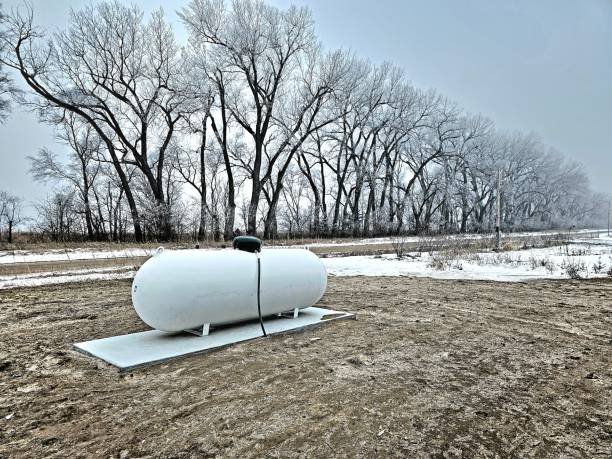
Every propane company knows who its top customers are by gallons delivered. However, few companies fully understand the operational risk those same accounts introduce when winter supply tightens. High-volume agricultural, commercial, and institutional customers often drive revenue stability, but they also concentrate exposure. One missed transport, one allocation cut, or one dispatch error tied to a top-tier account can cascade into service failures, driver overtime, safety shortcuts, and contractual disputes. In tight winters, these customers don’t just consume gallons; they consume flexibility. Managing them effectively is about more than sales prioritization; it’s about risk control, compliance discipline, and operational resilience.
When Volume Becomes a Constraint, Not an Advantage
Large-volume customers tend to anchor routing, bulk plant drawdowns, and transport scheduling. During normal conditions, that efficiency works. But, during constrained supply, it can lock a company into inflexible delivery patterns. A single industrial account pulling several transports per week can crowd out residential safety fills or force longer hauls from secondary terminals. The operational risk isn’t the gallons; it’s the loss of optionality. Once dispatch is committed, recovery options narrow very quickly.
Contract Language vs. Operational Reality
Many top accounts operate under legacy supply agreements that look manageable on paper but become liabilities under allocation or weather stress. Minimum delivery obligations, penalty clauses, or vague force majeure language can expose companies to disputes precisely when internal margins are already compressed. Operations teams often feel pressure to “make it work” regardless of conditions, increasing the risk of driver fatigue, rushed drops, or deferred maintenance. Legal exposure quietly builds while everyone focuses on keeping tanks filled.
Staffing and Safety Pressure Points
High-impact accounts create hidden staffing risk. They require experienced drivers, specialized equipment, and precise scheduling – resources that typically are already scarce during peak season. When those same drivers are pulled off residential routes to cover a large commercial run, overtime spikes and situational awareness drops. That’s when near-misses, property damage, and compliance lapses tend to occur. Insurance losses tied to winter operations are often traced back to exactly this kind of over-concentration.
Managing High-Impact Accounts Well
1. Rank Customers by Operational Impact, Not Revenue
Create a winter risk ranking that weighs daily draw rate, delivery flexibility, contract rigidity, and dispatch disruption, not just annual gallons. Your biggest risk accounts are often obvious once you look beyond revenue.
2. Stress-Test Supply Commitments Internally
Before winter, run allocation and weather scenarios against your top 20 accounts. Identify which commitments break first under 10–20% supply reduction and document decision thresholds in advance.
3. Adjust Delivery Cadence Early
Where possible, move high-impact accounts to slightly higher minimum levels or earlier fills before peak season. Even modest inventory buffers can reduce emergency transport exposure later.
4. Align Legal, Ops, and Dispatch Playbooks
Ensure that dispatch managers understand contract escape clauses, priority rules, and stop-loss decisions. Ambiguity during a cold snap leads to unsafe improvisation.
What This Means for Winter Operations
Top customers are essential to a propane company’s stability and growth, but unmanaged concentration turns that strength into vulnerability. Winter risk isn’t created by cold weather alone; it’s also created by rigid commitments layered on top of tight supply and overstretched staff. Companies that proactively analyze their highest-impact accounts will do much to gain control over their dispatch, safety, and liability when conditions deteriorate. The goal of these measures is to preserve operational judgment during the busiest, most challenging season of the year. In winter, true resilience comes from knowing which customers shape your risk profile the most and then planning accordingly.