
Wholesale Propane Prices Stay Unsteady Even With High Stocks
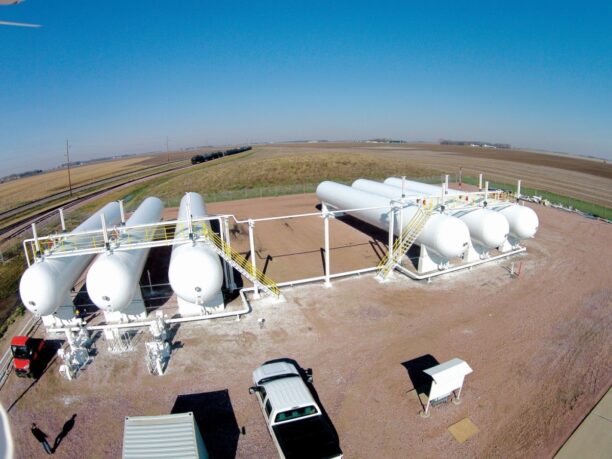
Wholesale propane prices in the United States have surprised many people by staying unsteady even when inventory levels are high. On the surface, it would seem that high stock levels should calm price swings and bring steadier pricing. Yet, for propane retailers and delivery companies, price shifts still happen often. These swings affect both costs and planning, and understanding the reasons behind them can help small delivery companies make better decisions about supply, contracts, and customer service.
Looking ahead to winter and other peak seasons, the U.S. propane market faces a mix of supply, demand, and global factors that keep prices moving up and down. Although stocks of propane are higher than usual for this time of year, prices are still sensitive to outside forces like exports, transport costs, energy markets, and regional consumption trends.
High Inventory Does Not Equal Stable Prices
Even though U.S. propane inventories have been reported at record-high levels, with stocks above the five-year average, prices have not settled into a steady pattern. One recent industry report shows that as of early November 2025, propane inventories were unusually strong, which has put downward pressure on spot and some wholesale prices. Yet, pricing still shifts from week to week depending on other forces in the market.
Propane storage levels are only one part of a much larger system. Stocks help protect against short-term shortages and sudden seasonal demand, but they do not eliminate price changes caused by related markets, export demand, transport costs, and weather conditions.
How Related Energy Markets Affect Propane Prices
Propane is not an isolated product. It is made mostly from natural gas processing and crude oil refining, so prices for those fuels influence propane pricing. When crude oil or natural gas markets rise or fall, propane pricing often follows. This linkage means that even with strong propane stockpiles, a rise in crude or natural gas prices can push propane wholesale prices higher quickly.
In recent years, natural gas pricing has been volatile due to factors like export demand and shifts in consumption. For example, U.S. natural gas prices have experienced periods of strong movement because of export growth and weather effects, which also sends ripples into propane markets.
Export Demand and Domestic Supply Pressure
One key reason for ongoing price swings is that a large share of U.S. propane production goes abroad. With significant export volumes, propane that might stay in the U.S. and help moderate prices is instead sold to overseas markets. Higher global prices can draw propane out of domestic inventory quickly, reducing the supply cushion within the U.S. and contributing to price volatility.
This export pressure means that even if stocks look high on paper, the actual market available for U.S. use changes frequently. Export infrastructure and contracts can shift quickly, tightening supply in certain regions and pushing prices up.
Weather and Seasonal Demand Still Matter
Although inventory levels are usually strongest heading into winter months, extreme weather patterns can still affect demand and pricing. Severe cold spells, long winter seasons, or unexpected storms can increase consumption suddenly. Even with high inventories overall, gas distribution challenges and rapid consumption can draw down stocks faster than planned. When demand rises sharply, wholesalers may need to secure additional supply quickly, which pushes prices up again.
Seasonal shifts also affect fuel transport and logistics. Winter weather can slow pipelines, rail movement, or trucking, which adds both cost and delay. Those extra costs show up in price, even if overall stocks remain high.
Transport Costs and Regional Differences
Wholesale propane pricing is influenced by where the supply is located and how easily it can be moved. Propane pricing tends to reflect the cost of transporting fuel from major hubs to regional markets. If there are delays, higher freight rates, or bottlenecks on key routes, prices can climb regardless of total inventory levels.
Regions far from major supply centers often experience the most noticeable price swings because delivery to those areas has higher logistical costs. Even when tanks are full at a national level, shortages or delays in specific regions can cause price spikes at the wholesale level.
The Value of Wholesale Pricing Insight
For propane delivery companies across the country, price volatility affects both operations and planning. When wholesale prices move up or down quickly, it can be hard to predict margin, set customer contracts, or plan purchases for peak season. Understanding that high inventories do not guarantee price stability helps retailers focus on broader market signals.
Price swings also influence contract negotiations with suppliers. Retailers who know that exports, crude and natural gas markets, weather patterns, and transport costs can affect pricing are better prepared to manage risk. They can choose purchasing strategies, storage planning, and customer communication that account for volatility rather than assuming high stock means a stable price.
This insight can help delivery companies protect their margins and improve service reliability. For example, early purchasing during softer price periods, diversified supplier relationships, and flexible pricing strategies with customers can help absorb price movement. Attention to regional supply trends also helps retailers schedule deliveries and set expectations for customers during seasons when price shifts are likely.
Keeping an eye on these broader forces gives delivery company owners and managers greater resources to handle the ups and downs of propane pricing. Even with high inventory levels, knowing why prices shift helps businesses to stay ready, protect revenue, and serve customers well throughout the year.