Weather Preparedness for Propane Businesses
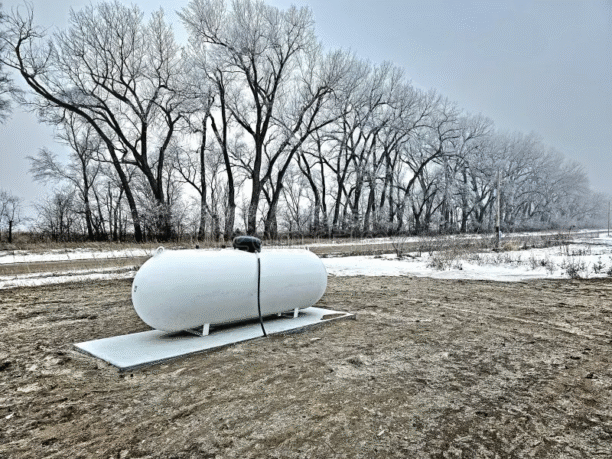
As temperatures begin to cool and the winter season approaches, propane businesses enter one of their most demanding times of the year. Customer needs rise sharply, delivery schedules tighten, and weather patterns can shift unexpectedly overnight. The ability to anticipate and respond to these seasonal challenges often determines whether a propane retailer can maintain smooth operations, protect their margins, and keep customers safe and satisfied.
Two key factors have the greatest impact on winter performance: heating degree days and storm preparedness. Understanding both – and using them strategically – can do much to help propane businesses stay one step ahead of the weather in an already challenging season.
Heating Degree Days: Tracking Demand More Accurately
Weather and energy demand go hand in hand. The colder it gets, the more propane will be used by customers to heat their homes and businesses. To measure this relationship, the industry relies on a simple but powerful metric: heating degree days (HDDs). Heating degree days represent how much the average temperature falls below a base temperature – typically 65°F. For example, if the average temperature on a given day is 40°F, that’s 25 heating degree days. The higher the number, the greater the demand for heating fuel.
For propane retailers, tracking HDDs provides a reliable way to forecast consumption patterns and anticipate when deliveries will surge. By comparing real-time HDD data with historical averages, companies can estimate how quickly their customers will draw down tanks and when to schedule refills.
This insight helps with:
Efficient scheduling – Deliveries can be planned around predicted demand, reducing the risk of last-minute calls or emergency runs.
Inventory control – Retailers can manage bulk storage levels more effectively, ordering supply in advance based on forecasted HDD trends.
Customer communication – Sharing updates or reminders based on temperature forecasts helps customers prepare, thereby reducing panic orders during cold snaps.
Some propane businesses now integrate HDD tracking into predictive delivery software which automatically combines temperature data with customer usage history to generate optimized delivery routes. This not only saves time and fuel but also minimizes the risk of run outs during high-demand periods.
Storm Preparedness: Reducing Risk in Severe Weather
While cold temperatures drive demand, severe winter weather can disrupt even the best-laid plans. Snow, ice, and high winds can make roads dangerous for drivers and can limit access to customer tanks. In extreme cases, storms can cut power to entire regions – making propane not just a heating source but a vital backup energy supply.
To stay prepared, propane retailers must take a proactive approach to storm readiness. Key steps include:
Fleet and equipment checks – Ensure vehicles are winterized, tires are in good condition, and safety gear (chains, emergency kits, communication tools) is on board.
Emergency delivery planning – Prioritize deliveries for critical locations such as hospitals, nursing homes, and customers who rely on propane-powered generators.
Employee readiness – Review safety protocols for driving in winter conditions, handling tanks in snow and ice, and responding to customer emergencies.
Customer reminders – Encourage customers to clear paths to their tanks, schedule refills before major storms, and install markers around buried tanks to aid visibility.
Many propane companies also benefit from using digital communication tools during storm events – text alerts, automated calls, or mobile apps that notify customers of delivery status or safety tips. Maintaining this line of communication builds confidence and demonstrates professionalism when customers need reassurance the most.
Utilizing the Weather as a Planning Tool
Customers rely on their propane provider not only for timely deliveries but also for security and peace of mind. When businesses plan deliveries based on heating degree days, prepare thoroughly for severe weather, and communicate clearly with their client base, they demonstrate reliability and foresight.
This proactive approach does more than prevent emergencies; it strengthens relationships. Customers remember which companies checked in before a storm, kept them informed during outages, and ensured that their tanks were full when others ran short. Propane businesses that can maintain this level of resilience even in the harshest conditions will not only protect their margins but will also develop a reputation for dependability. These strategic measures will have long term effects and will do much to set a propane business apart in an industry built on trust.