Was the Propane HOS Waiver Denied This Winter?
The winter delivery season is upon us, and with it comes tighter schedules, longer routes, and less room for error. Most propane companies plan ahead, assuming some flexibility for extra hours during peak cold months, especially when harsh weather and customer demand collide. This year, that flexibility will not be coming. On December 2, 2025, the Federal Motor Carrier Safety Administration denied the National Propane Gas Association’s request for a seasonal Hours of Service waiver covering December 15 through March 15. The agency said the request did not show safety results equal to the current rules. That decision lands right as winter conditions start to affect roads, equipment, and driver fatigue.
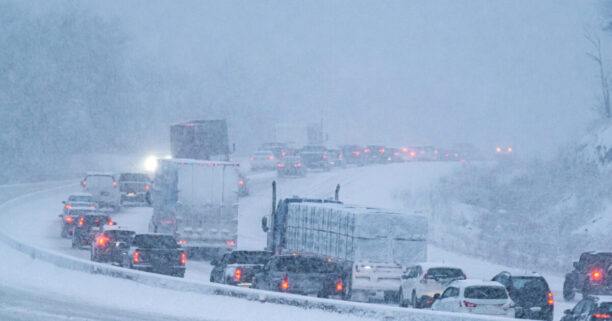
Without a waiver, drivers must operate fully within existing Hours of Service limits, even during severe cold snaps. This puts more pressure on daily planning and raises the stakes for safety. Cold weather already brings higher risks for bobtail drivers. Icy roads reduce traction and increase stopping distance, especially on rural routes and shaded areas that never fully thaw. Snow buildup can hide driveways, valves, and tank locations, and the chance of slips and falls during hookups increases with icy surfaces. Cold temperatures also slow reaction times and make long hours behind the wheel more physically demanding.
Fatigue becomes a bigger concern in winter because drivers often face early starts, delayed loading times, and longer unloading stops. Without extra HOS flexibility, a single delay can cause a ripple effect throughout the entire day. This makes route planning critical. Providing staggered start times, realistic delivery windows, and advance scheduling will do much to help avoid the last-minute pressure that pushes drivers toward unsafe decisions. Cross-training qualified drivers before winter demand peaks can also reduce overload on a few key employees.
Communication matters during this busy season more than ever. Letting customers know when the weather may affect delivery timing helps to manage expectations and reduces the need for rushed trips at the end of a shift. Clear internal policies on when to stop for weather or fatigue serve to protect both drivers and the company overall.
Looking ahead, this decision will affect the daily operations, safety culture, and customer service of propane businesses nationwide throughout this winter. Companies that adjust their practices now will be better positioned to deliver safely throughout the season without relying on exceptions that are no longer available.